
The Kongo, also known as the Kongo River, is one of the most significant rivers in Africa, playing a vital role in the lives of the people who inhabit its banks. It is not only important for its geographical features but also for its rich cultural and spiritual significance. In the context of Buddhist mythology, the Kongo River can symbolize the flow of life and the interconnectedness of all beings. The river, with its powerful currents and serene waters, represents the duality of existence, a theme often explored in Buddhist teachings.
The Significance of Water in Buddhism
In Buddhist thought, water is often seen as a symbol of purity and clarity. Just as water flows and adapts to its surroundings, individuals are encouraged to embody similar qualities in their lives. The Kongo River, with its vastness and depth, exemplifies this adaptability. It teaches us the importance of being flexible and open to change, which is a fundamental aspect of Buddhist practice. When practitioners meditate on water, they often reflect on how it can take different forms—liquid, ice, or vapor—yet remain the same essence.
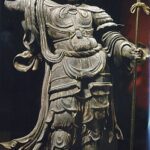 Komoku-ten
Moreover, water is a critical element in many Buddhist rituals. It is used for purification, representing the cleansing of negative thoughts and actions. The Kongo River, flowing through various landscapes, serves as a reminder of the need for spiritual cleansing in our lives. The river’s journey can be seen as a metaphor for the spiritual path, where one must navigate through obstacles and challenges to reach a state of enlightenment.
The Kongo River in Buddhist Symbolism
- Flow of Life: The Kongo River symbolizes the continuous flow of life and the cycle of birth and rebirth.
- Interconnectedness: Just as the river connects various regions, it signifies the interconnectedness of all beings.
- Purification: The river’s waters are a metaphor for the purification of the mind and spirit.
In Buddhist mythology, the Kongo River may also represent the journey towards nirvana. The river flows from the mountains to the sea, much like the soul’s journey towards ultimate liberation. As the water flows, it encounters various obstacles, just as individuals face challenges in their spiritual journey. Each bend and curve in the river can symbolize the twists and turns of life, reminding practitioners to remain resilient and focused on their goals.
Mythical Creatures and Stories of the Kongo
The Kongo River is steeped in local folklore and myths that often feature various mythical creatures. These stories not only entertain but also convey important moral lessons. For instance, many tales speak of a great serpent that resides in the depths of the river. This serpent, known as the Kongo Serpent, is said to guard the river’s treasures and has the power to bring both fortune and misfortune to those who encounter it. This duality reflects the Buddhist understanding of karma, where one’s actions can lead to positive or negative outcomes.
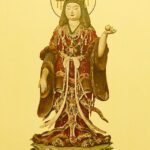 Kichijoten
In some stories, the Kongo Serpent is portrayed as a benevolent guardian who helps fishermen find abundant catches. This aspect of the serpent aligns with the Buddhist concept of compassion and the interconnectedness of all living beings. By helping others, one can accumulate positive karma, which is essential for spiritual growth. On the other hand, if someone tries to exploit the river’s resources selfishly, they may face the serpent’s wrath, illustrating the consequences of greed and selfishness.
Lessons from Kongo Myths
- Karma: Every action has consequences, and one must be mindful of their choices.
- Compassion: Helping others leads to positive outcomes for oneself.
- Respect for Nature: The stories emphasize the importance of respecting natural resources.
Another prominent figure in Kongo mythology is the spirit of the river, often depicted as a beautiful woman who weaves the currents with her hair. She is known as the Water Goddess, and her stories often highlight the importance of harmony with nature. In Buddhist teachings, this harmony is crucial for achieving inner peace and understanding one’s place in the universe. The Water Goddess represents the nurturing aspect of nature, reminding us that just as the river provides sustenance, we must also care for the environment.
Cultural Practices Along the Kongo River
The communities living along the Kongo River have developed various cultural practices that are deeply intertwined with the river’s presence. These practices often reflect Buddhist principles, such as mindfulness, respect for nature, and the importance of community. One common tradition is the river festival, where people gather to celebrate the river’s bounty. During this festival, offerings are made to the river, expressing gratitude for the resources it provides.
 Kiackiack
These festivals often include rituals that invoke blessings from the river spirits. Participants engage in meditative practices, focusing on the flowing water as a means to connect with their inner selves. This practice aligns with the Buddhist concept of mindfulness, encouraging individuals to be present and aware of their surroundings. The flowing river serves as a constant reminder of the impermanence of life, a core teaching in Buddhism.
Key Cultural Practices
- River Festivals: Celebrations that honor the river and its resources.
- Ritual Offerings: Acts of gratitude towards the river spirits.
- Mindful Practices: Engaging in meditation by the river to connect with nature.
Another cultural practice involves storytelling, where elders share tales of the river’s significance and its mythical inhabitants. These stories not only entertain but also serve to educate younger generations about the importance of respecting the river and the lessons it embodies. This oral tradition mirrors the Buddhist practice of sharing wisdom and experiences to foster understanding and compassion within the community.
The Role of the Kongo in Daily Life
The Kongo River plays an essential role in the daily lives of the people who live along its banks. It serves as a source of water for drinking, cooking, and washing, making it a vital resource for survival. Additionally, the river provides a means of transportation, allowing people to travel and trade with neighboring communities. This interconnectedness emphasizes the importance of community, a key principle in both Kongo culture and Buddhist teachings.
Fishing is another significant activity linked to the Kongo River. Many families rely on the river’s fish as a primary source of food. Fishermen often practice sustainable fishing methods, reflecting the Buddhist principle of non-harm towards all living beings. By respecting the river’s ecosystem, they ensure that future generations can also benefit from its resources. This practice highlights the balance between utilizing natural resources and preserving them for the future.
Daily Life Activities Related to the Kongo
- Water Source: The river is essential for daily water needs.
- Transportation: The Kongo serves as a highway for trade and travel.
- Sustainable Fishing: Practices that ensure the health of the river’s ecosystem.
Furthermore, the river is often seen as a source of inspiration for art and music in the local culture. Many artists draw from the river’s beauty and its myths to create paintings, sculptures, and songs. This creative expression is an essential aspect of cultural identity, fostering a sense of community and belonging. In Buddhism, art is considered a form of meditation, allowing individuals to connect with their inner selves and the world around them.
The Kongo River and Environmental Challenges
Like many rivers around the world, the Kongo River faces significant environmental challenges. Pollution, deforestation, and climate change are threatening the river’s health and the communities that depend on it. This situation raises important questions about the responsibility of individuals and communities to protect their natural resources. In Buddhist teachings, the concept of interdependence highlights the relationship between humans and nature, reminding us that our actions have consequences for the environment.
Efforts to address these challenges often involve community engagement and education. Many organizations work to raise awareness about the importance of preserving the Kongo River and its ecosystem. These initiatives often incorporate Buddhist principles, such as mindfulness and compassion, encouraging individuals to take responsibility for their actions and make sustainable choices. By fostering a sense of connection to the river, communities can inspire a collective effort to protect this vital resource.
Environmental Challenges Faced by the Kongo
- Pollution: Industrial waste and litter are damaging the river’s ecosystem.
- Deforestation: Logging activities are threatening the surrounding environment.
- Climate Change: Changing weather patterns are impacting the river’s flow and health.
Additionally, local communities are increasingly adopting sustainable practices, such as reforestation and clean-up initiatives. These efforts not only help restore the river’s health but also serve as a reminder of the importance of living in harmony with nature. In Buddhism, the practice of right action encourages individuals to make choices that benefit both themselves and the environment, fostering a sense of responsibility towards the planet.
Conclusion: The Kongo as a Spiritual Symbol
The Kongo River, with its rich cultural and spiritual significance, serves as a powerful symbol in the context of Buddhist mythology. Its waters represent the flow of life, the interconnectedness of all beings, and the journey towards enlightenment. The myths and stories associated with the river teach important lessons about compassion, karma, and respect for nature. As communities continue to engage with the river, they not only sustain their livelihoods but also uphold the values that resonate with Buddhist teachings.
Through mindful practices, cultural traditions, and efforts to protect the environment, the people of the Kongo River embody the principles of Buddhism in their daily lives. The river, as a source of inspiration and sustenance, reminds us of the profound connection between nature and spirituality. As we reflect on the significance of the Kongo, we are encouraged to embrace the teachings of compassion, mindfulness, and interconnectedness in our own lives.