
Moses is one of the most significant figures in Middle Eastern mythology and religious history. His story is primarily told in the Hebrew Bible, specifically in the books of Exodus, Leviticus, Numbers, and Deuteronomy. Moses is revered in Judaism, Christianity, and Islam, each tradition presenting unique perspectives on his life and contributions. He is often associated with the liberation of the Israelites from slavery in Egypt, the receiving of the Ten Commandments, and leading his people through the wilderness. The narrative of Moses is rich with themes of faith, leadership, and divine intervention, making it a central part of the religious and cultural fabric of the Middle East.
The Early Life of Moses
The early life of Moses is a story filled with drama and significance. According to the biblical account, Moses was born during a time when the Pharaoh of Egypt had ordered the death of all newborn Hebrew boys. To save him, his mother placed him in a basket and set him adrift on the Nile River. This act of desperation led to a remarkable twist of fate, as Moses was discovered by the Pharaoh’s daughter, who adopted him and raised him in the royal household. This upbringing in the palace provided Moses with a unique perspective on both Egyptian and Hebrew cultures.
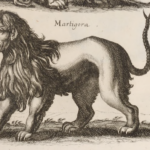 Manticore
As Moses grew up, he became increasingly aware of his Hebrew heritage. One day, he witnessed an Egyptian beating a Hebrew slave and, in a fit of rage, killed the Egyptian. Fearing the consequences of his actions, Moses fled to the land of Midian, where he began a new life as a shepherd. This period of exile was crucial for Moses, as it allowed him to reflect on his identity and purpose. During his time in Midian, he married Zipporah, the daughter of Jethro, and became a father, which further grounded him in a new life away from Egypt.
Key Events in Early Life
- The birth and rescue from the Nile
- Growing up in the Pharaoh’s palace
- The killing of the Egyptian
- Exile in Midian
The Burning Bush and Call to Leadership
Moses’ life took a dramatic turn when he encountered the burning bush on Mount Horeb. This event marked the beginning of his divine mission. The bush was on fire but did not burn up, which caught Moses’ attention. When he approached, God spoke to him, revealing His plan to free the Israelites from Egyptian bondage. God instructed Moses to return to Egypt and confront Pharaoh, demanding the release of His people. This moment was pivotal as it not only confirmed Moses’ role as a leader but also highlighted the theme of divine calling.
 Lilith
Moses was initially hesitant to accept this responsibility. He expressed doubts about his ability to speak effectively and questioned why the Israelites would believe him. However, God reassured him by providing signs, such as turning his staff into a serpent and making his hand leprous and then healing it. God also appointed Moses’ brother, Aaron, to assist him as a spokesperson. This partnership was significant as it showcased the importance of collaboration in leadership and the support that individuals can offer one another in fulfilling divine missions.
Key Aspects of the Burning Bush Encounter
- The significance of the miraculous fire
- Moses’ reluctance and doubts
- God’s reassurance and signs
- The role of Aaron as a spokesperson
The Exodus from Egypt
The Exodus is one of the most dramatic and pivotal events in the story of Moses. Following God’s command, Moses returned to Egypt and confronted Pharaoh, demanding the release of the Israelites. Pharaoh’s refusal led to a series of plagues that afflicted the Egyptians, demonstrating God’s power and authority. The plagues included turning the Nile River into blood, swarms of locusts, and the death of the firstborn sons of Egypt. Each plague was designed to challenge the Egyptian gods and showcase the supremacy of the God of Israel.
Finally, after enduring immense suffering, Pharaoh relented and allowed the Israelites to leave. This moment, known as the Passover, was significant for the Hebrew people, as they marked their doors with the blood of a lamb to protect themselves from the final plague. The Israelites’ departure from Egypt was a moment of liberation and hope, symbolizing their journey towards freedom and a promised land. Moses led the people out of Egypt, and this event is commemorated annually in the Jewish festival of Passover.
 Leviathan
Significant Events During the Exodus
- The plagues of Egypt
- The significance of Passover
- The Israelites’ departure from Egypt
- The journey toward the Promised Land
The Parting of the Red Sea
One of the most famous miracles associated with Moses is the parting of the Red Sea. As the Israelites fled Egypt, they found themselves trapped between the sea and Pharaoh’s advancing army. In this moment of desperation, Moses called upon God for help. God instructed Moses to stretch out his hand over the sea, and miraculously, the waters parted, creating a dry path for the Israelites to cross. This event was not only a display of divine power but also a profound moment of faith for the Israelites, who trusted Moses and God to deliver them.
As the Israelites crossed the sea, the waters remained parted, allowing them to escape. However, when the Egyptian army pursued them, God commanded Moses to stretch his hand again, causing the waters to return and engulf the soldiers. This act of divine intervention solidified Moses’ role as a leader and God’s chosen messenger. The parting of the Red Sea is often seen as a symbol of hope and salvation, representing the idea that faith can lead to miraculous outcomes, even in the face of overwhelming odds.
Key Themes of the Red Sea Miracle
- Divine intervention in times of crisis
- The importance of faith and trust
- The symbolism of salvation
- Moses as a leader and mediator
The Giving of the Ten Commandments
After the Exodus, Moses led the Israelites to Mount Sinai, where a significant event in their history took place: the giving of the Ten Commandments. God called Moses to ascend the mountain, where He revealed His laws and commandments, which were to guide the moral and ethical conduct of the Israelites. The Ten Commandments encompass fundamental principles, such as honoring parents, prohibiting murder and theft, and promoting fidelity. These laws became the cornerstone of Hebrew ethics and are still influential in many cultures today.
The experience at Mount Sinai was profound for Moses and the Israelites. As Moses spent forty days and nights on the mountain, he received not only the Ten Commandments but also additional laws and instructions for the community. The Israelites, witnessing the thunder and lightning on the mountain, were filled with awe and fear. When Moses descended, he found the people had turned to idolatry, worshipping a golden calf. This incident highlighted the struggle between faithfulness to God and the temptation to revert to old ways, a theme that resonates throughout the biblical narrative.
Key Elements of the Giving of the Commandments
- The significance of Mount Sinai
- The moral and ethical guidelines of the commandments
- The people’s reaction and the golden calf incident
- The lasting impact of the commandments on society
The Journey Through the Wilderness
After receiving the Ten Commandments, Moses led the Israelites on a long journey through the wilderness. This period lasted for forty years and was marked by various challenges and hardships. The Israelites faced scarcity of food and water, leading to complaints and unrest. God provided for them through miraculous means, such as sending manna from heaven and bringing water from a rock. These provisions were signs of God’s faithfulness and care for His people, even in their moments of doubt and rebellion.
The journey was also a time of spiritual growth and testing for the Israelites. Moses served as their leader, mediator, and intercessor, often pleading with God on their behalf. The struggles they faced in the wilderness reflected their need for trust and reliance on God. Despite their complaints and disobedience, God continued to guide them, illustrating the theme of grace and redemption. The wilderness journey ultimately prepared the Israelites for their entry into the Promised Land, teaching them valuable lessons about faith, obedience, and community.
Challenges During the Wilderness Journey
- Struggles with scarcity and provision
- Complaints and rebellion among the people
- Moses’ leadership and intercession
- Lessons of faith and obedience
Moses as a Prophet and Leader
Moses is often regarded as one of the greatest prophets and leaders in the history of the Hebrew people. His life exemplifies the qualities of humility, perseverance, and faithfulness. Throughout his journey, Moses faced numerous challenges, including opposition from the Israelites, doubts about his leadership, and confrontations with Pharaoh. Yet, he remained steadfast in his mission to fulfill God’s plan. His ability to communicate directly with God set him apart as a unique figure in religious history.
Moses’ leadership style was characterized by his willingness to listen to the concerns of his people. He often sought guidance from God in making decisions and resolving disputes. This consultative approach fostered a sense of community and trust among the Israelites. Additionally, Moses was instrumental in establishing laws and governance for the people, laying the foundation for a society based on justice and righteousness. His legacy as a leader continues to inspire generations, emphasizing the importance of integrity and moral responsibility.
Qualities of Moses as a Leader
- Humility and selflessness
- Perseverance in the face of challenges
- Effective communication with God
- Establishing laws and governance
The Legacy of Moses
The legacy of Moses is profound and far-reaching. He is not only a central figure in Judaism but also holds significant importance in Christianity and Islam. In Judaism, Moses is revered as the lawgiver and the greatest prophet, and his teachings continue to shape Jewish identity and practice. In Christianity, Moses is seen as a precursor to Jesus Christ, representing the law that Jesus came to fulfill. In Islam, Moses, known as Musa, is regarded as a prophet and messenger of God, and his story is shared in the Quran.
Moses’ impact extends beyond religious contexts; his story has influenced literature, art, and culture throughout history. Themes of liberation, justice, and faith resonate in various movements and ideologies, making Moses a symbol of hope and resilience. His life serves as a reminder of the power of faith in overcoming adversity and the importance of standing up for justice. The teachings and principles associated with Moses continue to inspire individuals and communities worldwide, reinforcing the idea that one person’s journey can lead to profound change.
Key Aspects of Moses’ Legacy
- Reverence in Judaism, Christianity, and Islam
- Influence on literature, art, and culture
- Thematic significance of liberation and justice
- Inspiration for individuals and communities