
In the realm of Middle Eastern mythology, few figures are as intriguing and complex as Lilith. Her story has evolved over centuries, with roots in ancient texts and folklore. Lilith is often depicted as a figure of both desire and danger, embodying themes of female empowerment and rebellion against patriarchal norms. This article will explore the origins, characteristics, and cultural significance of Lilith in various traditions, shedding light on her role in mythology and society.
Origins of Lilith
The earliest references to Lilith can be traced back to ancient Mesopotamia. In the Sumerian and Babylonian cultures, she was associated with demons and the night. The term “Lilith” is believed to derive from the Sumerian word “lil,” meaning “air” or “spirit.” In these early texts, she was often portrayed as a winged creature, symbolizing the chaos of the night and the unknown. As the mythology evolved, her character took on different forms and meanings.
 Leviathan
One of the most significant references to Lilith appears in the Jewish folklore known as the Alphabet of Ben-Sira, written around the 9th to 10th centuries. In this text, Lilith is described as Adam’s first wife, created from the same soil as him. This origin story presents her as an equal, challenging the traditional narrative of female subservience. However, the story takes a darker turn when Lilith refuses to submit to Adam, leading to her expulsion from the Garden of Eden.
In the Hebrew Bible, Lilith is mentioned only briefly in the book of Isaiah, where she is referred to as a night creature. This mention further emphasizes her association with the dark and mysterious aspects of the night. Over time, Lilith’s character has been interpreted in various ways, from a malevolent demon to a symbol of female independence. These diverse interpretations reflect the changing attitudes towards women in society throughout history.
Lilith in Jewish Folklore
In Jewish folklore, Lilith’s narrative expands significantly. After leaving Adam, she is said to have become a demon who preys on newborn children and pregnant women. This transformation reflects the fears and anxieties surrounding motherhood and female sexuality. Lilith’s role as a child-stealer serves as a cautionary tale, warning against the dangers of female power and independence. This portrayal has contributed to her reputation as a figure of both fear and fascination.
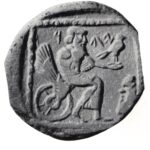 Yahweh
Some sources suggest that Lilith was created to represent the dangers of unrestrained female sexuality. Her refusal to be dominated by Adam symbolizes a challenge to traditional gender roles. In this sense, Lilith can be seen as an early feminist icon, representing a woman’s right to choose her path and resist oppression. The duality of her character, as both a nurturing mother and a vengeful demon, reflects the complexities of femininity and the societal expectations placed on women.
Throughout the centuries, various texts have elaborated on Lilith’s character. In the Kabbalah, a mystical branch of Judaism, she is often associated with the Sitra Achra, the “Other Side,” representing the forces of evil. Lilith is depicted as a seductive figure who leads men astray, embodying the dangers of unchecked desire. This portrayal further entrenches her as a symbol of the darker aspects of femininity, reinforcing the idea that women’s power must be feared and controlled.
Lilith in Ancient Near Eastern Texts
Lilith’s influence extends beyond Jewish folklore into the broader context of ancient Near Eastern mythology. In Babylonian texts, she is often associated with the storm demons known as the “Lilu.” These beings were believed to be malevolent spirits that roamed the night, causing chaos and destruction. The connection between Lilith and these demons highlights her role as a figure of fear and uncertainty, embodying the unpredictable nature of the night.
 Ninsusinak
In the Epic of Gilgamesh, another ancient Mesopotamian text, there are references to female figures who share characteristics with Lilith. These figures often represent the duality of creation and destruction, embodying the complexities of the feminine experience. Lilith’s connection to these ancient stories illustrates her enduring significance in the mythology of the region, transcending individual cultures and traditions.
Moreover, the figure of Lilith has parallels in other ancient mythologies. For instance, in Egyptian mythology, the goddess Isis embodies similar themes of motherhood and vengeance. Both figures represent the complexities of female power, illustrating how societies have grappled with the concept of femininity throughout history. These connections highlight the universality of Lilith’s narrative, as she resonates with various cultural interpretations of women and their roles.
Modern Interpretations of Lilith
In contemporary culture, Lilith has undergone a significant transformation. No longer merely a demon or a cautionary tale, she has become a symbol of female empowerment and liberation. Many modern feminists have reclaimed Lilith as an icon of strength, representing the fight against patriarchal oppression. This shift in perception has led to a resurgence of interest in her story and its implications for women’s rights.
Numerous artists, writers, and musicians have drawn inspiration from Lilith, using her story to explore themes of identity, autonomy, and rebellion. For example, in literature, authors have reimagined her character as a complex figure who defies societal norms and embraces her individuality. This reinterpretation allows for a more nuanced understanding of femininity, challenging traditional stereotypes and celebrating women’s strength.
In popular culture, Lilith appears in various forms, from movies and television shows to music and visual art. Her image often embodies themes of seduction and danger, reflecting society’s ongoing fascination with the complexities of female power. This cultural representation of Lilith serves as a reminder of the enduring impact of her story, as well as the ongoing struggle for women’s rights and representation in modern society.
Lilith in Literature and Art
Lilith’s presence in literature is profound, with many authors exploring her character in different contexts. In the realm of poetry, writers such as Alfred Lord Tennyson and Octavia Butler have incorporated her into their works, often portraying her as a symbol of female strength and defiance. These literary representations highlight the evolving understanding of Lilith, as she transforms from a figure of fear to one of empowerment.
In visual art, Lilith has been depicted in various styles, ranging from classical paintings to modern illustrations. Artists often portray her as a beautiful yet dangerous figure, embodying the duality of femininity. This representation reflects society’s ongoing fascination with the complexities of women’s roles, illustrating how Lilith serves as a canvas for exploring themes of sexuality, power, and independence.
Moreover, Lilith’s image has been used in feminist art movements to challenge traditional representations of women. Artists have reinterpreted her character to emphasize themes of empowerment and self-assertion, using her story as a means of exploring the broader implications of female identity. This artistic engagement with Lilith reflects the ongoing struggle for women’s rights and representation, showcasing how her narrative continues to resonate in contemporary society.
Conclusion: Lilith’s Enduring Legacy
Lilith’s story is a rich tapestry woven from threads of mythology, folklore, and cultural interpretation. Her evolution from a demon to a symbol of female empowerment illustrates the complexities of femininity and the ongoing struggle for women’s rights. As societies continue to grapple with issues of gender and power, Lilith remains a powerful figure, representing the enduring legacy of women who challenge societal norms and assert their independence.
In exploring Lilith’s origins, characteristics, and cultural significance, we gain insight into the multifaceted nature of her story. From ancient texts to modern interpretations, Lilith serves as a reminder of the complexities of female identity and the ongoing fight for equality. As we continue to engage with her narrative, we honor the strength and resilience of women throughout history.