
Lauksargis is a significant figure in Lithuanian mythology, representing the connection between nature and the divine. This mythical being is often depicted as a guardian spirit of the forest, embodying the essence of the wild and untamed aspects of nature. His character is deeply intertwined with the beliefs and traditions of the Lithuanian people, serving as a reminder of the importance of respecting and protecting the natural world. In Lithuanian folklore, Lauksargis is not only a protector but also a mediator between humans and the forces of nature, showcasing the rich tapestry of mythological narratives that exist in this culture.
Origins of Lauksargis
The origins of Lauksargis can be traced back to ancient times when the Lithuanian people lived closely with nature. This connection to the earth and its elements is reflected in the various stories and legends that surround him. Lauksargis is often seen as a personification of the forest, representing the spirit of the trees, animals, and the very essence of the wilderness. The name Lauksargis itself suggests a being that watches over the fields and forests, highlighting his role as a guardian.
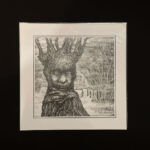 Lazdona
In many tales, Lauksargis is depicted as a tall, imposing figure with features that resemble both a human and a tree. His skin is often described as bark-like, and his hair as leaves, blending him seamlessly into the forest environment. This anthropomorphic representation emphasizes the belief that all elements of nature are interconnected and that Lauksargis serves as a bridge between the human world and the natural realm.
Throughout history, Lauksargis has been revered in various rituals and practices. Ancient Lithuanians would often perform ceremonies to honor him, seeking his protection and blessings for their harvests and well-being. These rituals reflect a deep-seated respect for nature and the understanding that the well-being of the community is linked to the health of the environment.
Lauksargis in Folklore
Lauksargis appears in numerous folktales and legends, often as a central figure in stories that convey moral lessons or cultural values. One popular tale tells of a group of hunters who ventured into the forest, unaware of the sacred nature of the land. They began to hunt without regard for the balance of nature, angering Lauksargis. In response, he unleashed his power, causing the hunters to become lost and unable to find their way home. This story serves as a cautionary tale about the consequences of disrespecting nature and highlights the importance of harmony between humans and the environment.
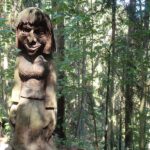 Vaiva
VaivaAnother common theme in Lauksargis legends is his role as a protector of animals. Many stories depict him as a fierce guardian who defends the creatures of the forest from those who would harm them. This portrayal reinforces the idea that Lauksargis embodies the spirit of nature, advocating for the rights of all living beings. The tales often end with a message of respect for wildlife and the understanding that humans must coexist with nature rather than dominate it.
In addition to his protective qualities, Lauksargis is also seen as a wise figure, often imparting knowledge to those who seek his guidance. In some legends, he appears to lost travelers, offering them direction and advice. This aspect of his character emphasizes the belief that wisdom can be found in the natural world and that nature itself can teach valuable lessons to those who are willing to listen.
Symbols Associated with Lauksargis
Lauksargis is associated with various symbols that represent his connection to nature and the forest. One of the most prominent symbols is the oak tree, which is often seen as a sacred tree in Lithuanian culture. The oak embodies strength, endurance, and wisdom, qualities that are also attributed to Lauksargis. In many cultures, the oak is considered a symbol of protection, and in the context of Lauksargis, it reinforces his role as a guardian of the forest.
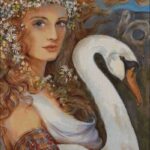 Laime
LaimeAnother important symbol is the wolf, which is often associated with Lauksargis in folklore. The wolf represents the wild and untamed aspects of nature, embodying the spirit of the forest. In many stories, Lauksargis is depicted as a friend to the wolf, further emphasizing his role as a protector of all creatures. The wolf’s presence in these tales serves as a reminder of the delicate balance that exists within ecosystems and the need for humans to respect and protect the wildlife around them.
Additionally, the starry sky is a symbol linked to Lauksargis, representing the divine connection between the earth and the heavens. In Lithuanian mythology, the stars are often seen as the spirits of ancestors, guiding and watching over the living. Lauksargis’s connection to the stars signifies his role as a mediator between the human world and the spiritual realm, reminding people of the importance of honoring their heritage and the natural world.
Rituals and Offerings
In ancient Lithuania, rituals and offerings were an essential part of honoring Lauksargis and seeking his protection. These practices often took place during significant agricultural events, such as planting and harvest seasons. People would gather in the forest, bringing offerings of food, flowers, and other items to present to Lauksargis, hoping to gain his favor and ensure a bountiful harvest. These rituals fostered a sense of community and reinforced the connection between the people and the land.
One common ritual involved lighting a fire in a clearing and dancing around it while singing songs dedicated to Lauksargis. This celebration served to invoke his spirit and express gratitude for the gifts of nature. Participants believed that by honoring Lauksargis, they would be blessed with protection and abundance in their lives. The act of dancing and singing in the forest created a bond between the people and the natural world, reinforcing the belief that nature was alive and responsive to their actions.
Another significant offering involved creating a small altar in the forest, adorned with natural elements such as stones, branches, and flowers. People would leave food and drink as offerings, believing that Lauksargis would accept their gifts and provide them with guidance and protection. These altars served as a physical reminder of the connection between the people and the spirit of the forest, emphasizing the importance of maintaining harmony with nature.
Lauksargis in Modern Culture
Today, Lauksargis continues to hold a special place in Lithuanian culture and is celebrated in various forms of art, literature, and festivals. Many contemporary artists draw inspiration from his character, creating works that reflect the beauty and mystery of the natural world. Through paintings, sculptures, and literature, Lauksargis is portrayed as a timeless symbol of nature’s power and the need for environmental stewardship.
Festivals celebrating Lauksargis often take place during the summer solstice, a time when people gather to honor the earth and its cycles. These celebrations include traditional music, dance, and storytelling, where the legends of Lauksargis are shared with younger generations. By keeping these stories alive, the Lithuanian people ensure that the values associated with Lauksargis—respect for nature, community, and wisdom—are passed down through the ages.
In addition to cultural celebrations, Lauksargis has also become a symbol in environmental movements in Lithuania. Many activists use his image and stories to raise awareness about the importance of protecting natural habitats and preserving biodiversity. By invoking Lauksargis, they emphasize the need to live in harmony with nature and recognize the consequences of environmental degradation. This modern interpretation of Lauksargis highlights the ongoing relevance of his character and the lessons he embodies.
The Legacy of Lauksargis
The legacy of Lauksargis is deeply ingrained in Lithuanian culture, serving as a powerful reminder of the relationship between humanity and nature. His stories continue to resonate with people, encouraging a sense of responsibility towards the environment. As a symbol of protection and wisdom, Lauksargis embodies the values that are essential for a sustainable future. The lessons learned from his legends remind us that we must respect the natural world and recognize our role as stewards of the earth.
Moreover, Lauksargis’s influence can be seen in various aspects of Lithuanian life, from art and literature to environmental initiatives. His character serves as a source of inspiration for those who seek to promote a deeper understanding of the interconnectedness of all living beings. As we navigate the challenges of modern life, the teachings of Lauksargis remind us to pause, reflect, and appreciate the beauty of the natural world around us.
Lauksargis remains a significant figure in Lithuanian mythology, representing the enduring connection between humanity and nature. His stories and symbols continue to inspire generations, fostering a sense of reverence for the environment and the wisdom it holds. As we celebrate the legacy of Lauksargis, we are reminded of the importance of living in harmony with the world around us and the profound impact that nature has on our lives.