
Milo Fo, also known as Maitreya, holds a significant place in Buddhist mythology. He is often depicted as a figure of great joy and happiness, symbolizing the future Buddha who will come to Earth to bring enlightenment and peace. His image is commonly represented in art as a jovial, stout man with a large belly, which signifies abundance and prosperity. In many cultures, especially in Chinese Buddhism, he is revered as a symbol of good fortune. The stories and beliefs surrounding Milo Fo reveal much about the values and teachings of Buddhism, emphasizing compassion, generosity, and the importance of community.
Origins of Milo Fo
The origins of Milo Fo can be traced back to ancient Buddhist texts, where he is mentioned as a figure who embodies the qualities of loving-kindness and compassion. According to Buddhist tradition, he is believed to be a bodhisattva, someone who has achieved enlightenment but chooses to remain in the cycle of rebirth to help others attain the same state. This selfless act of remaining in the world to assist others is a fundamental aspect of Buddhist teachings. Milo Fo’s character represents the ideal of altruism, encouraging followers to cultivate a spirit of generosity and kindness.
 Maya
MayaIn many scriptures, Maitreya is described as the next Buddha who will come after Gautama Buddha. The prophecy suggests that he will arrive in a time when the teachings of the current Buddha have faded, and the world is in need of a new guide. This idea of a future Buddha brings hope to many Buddhists, as it symbolizes the ongoing cycle of enlightenment and the belief that wisdom and compassion will always return to humanity, no matter the state of the world.
Milo Fo in Art and Culture
Milo Fo is a popular figure in Buddhist art, especially in East Asia. His representations vary widely, but he is most commonly depicted as a rotund, smiling figure, often accompanied by children or holding a sack filled with treasures. This imagery serves to reinforce the idea of abundance and happiness that he embodies. Artists use vibrant colors and intricate details to portray Milo Fo, making him a favorite subject in sculptures, paintings, and temple decorations. The cheerful demeanor of Milo Fo invites people to reflect on the positive aspects of life, encouraging a mindset of gratitude and joy.
In Chinese culture, Milo Fo is often associated with wealth and prosperity. Statues of Milo Fo are commonly found in homes and businesses, believed to attract good luck and fortune. People often rub his belly for good luck, as it is considered a sign of his ability to bring happiness and wealth into their lives. This cultural practice highlights how Milo Fo transcends religious boundaries, becoming a symbol of hope and positivity for people of various backgrounds.
 Marishi-ten
Teachings of Milo Fo
The teachings associated with Milo Fo emphasize the importance of compassion and generosity. One of the key messages is that true happiness comes from giving to others and supporting those in need. This concept aligns with the Buddhist principle of interconnectedness, which suggests that all beings are connected, and by helping one another, we contribute to the overall well-being of the community. Milo Fo encourages individuals to look beyond their own desires and to find fulfillment in acts of kindness.
Another significant teaching is the idea of embracing joy and laughter. Milo Fo’s cheerful nature serves as a reminder that happiness is an essential aspect of life and should be celebrated. He teaches that laughter and joy can be powerful tools for healing and connection. In a world often filled with challenges and struggles, the presence of Milo Fo inspires people to seek out joy, to find humor in difficult situations, and to share that joy with others.
Milo Fo in Buddhist Practices
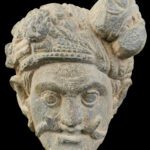 Mara
MaraMilo Fo plays a vital role in various Buddhist practices and rituals. In many temples, devotees gather to pay homage to him, offering prayers and making wishes for prosperity and happiness. These rituals often include lighting incense, offering food, and chanting mantras that invoke his blessings. Such practices reinforce the community aspect of Buddhism, as people come together to share their hopes and aspirations.
Moreover, festivals celebrating Milo Fo are held in various parts of Asia. These festivals often include parades, traditional dances, and communal meals, creating a sense of unity among participants. During these celebrations, stories of Milo Fo’s deeds and teachings are shared, inspiring people to embody his values in their daily lives. The collective joy experienced during these events fosters a strong sense of community and belonging, reflecting the core principles of Buddhism.
The Global Influence of Milo Fo
Milo Fo’s influence extends beyond the boundaries of traditional Buddhism. In recent years, his image and teachings have gained popularity in various cultures around the world. The concept of a future Buddha who embodies joy and compassion resonates with many individuals seeking spiritual guidance. His teachings have been integrated into mindfulness practices and wellness programs, emphasizing the importance of happiness and community support.
Furthermore, Milo Fo has become a symbol of positivity in popular culture. His likeness can be found in various forms of media, from books to movies, often representing the idea of hope and renewal. This global embrace of Milo Fo demonstrates how his teachings can transcend cultural differences, offering a universal message of compassion and joy that can inspire people from all walks of life.
Milo Fo and Modern Society
In today’s fast-paced world, the teachings of Milo Fo are more relevant than ever. As people navigate the challenges of modern life, the emphasis on compassion and generosity provides a much-needed counterbalance. Many individuals find solace in the idea that happiness can be cultivated through acts of kindness, and Milo Fo serves as a guiding figure in this pursuit. His teachings encourage individuals to take time for self-reflection and to engage with their communities in meaningful ways.
Additionally, the notion of joy as a vital component of well-being resonates with many. In a society often focused on achievement and material success, Milo Fo reminds us of the importance of finding joy in everyday moments. Whether through laughter, connection with others, or simple acts of kindness, the spirit of Milo Fo inspires individuals to seek happiness in all aspects of life.
Conclusion: The Legacy of Milo Fo
The legacy of Milo Fo continues to thrive in both religious and secular contexts. His teachings on compassion, joy, and community remain relevant, inspiring countless individuals to embrace these values in their daily lives. As we look to the future, the presence of Milo Fo serves as a beacon of hope, reminding us of the transformative power of kindness and the potential for happiness in our lives. Through his teachings, we are encouraged to cultivate a spirit of generosity and to spread joy, making the world a better place for all.