
Ahriman, also known as Angra Mainyu, is a central figure in Zoroastrian mythology. He embodies the essence of evil and chaos, opposing the supreme god Ahura Mazda. In the Zoroastrian cosmology, Ahriman represents everything that is harmful, destructive, and dark. The struggle between Ahriman and Ahura Mazda symbolizes the eternal conflict between good and evil, light and darkness. This dualistic nature is fundamental to Zoroastrian beliefs, influencing not only religious practices but also cultural and ethical norms in societies influenced by this ancient religion.
Origins of Ahriman
The origins of Ahriman can be traced back to the early texts of Zoroastrianism, particularly the Avesta, which is the sacred scripture of the Zoroastrian faith. According to these texts, Ahriman was created by Ahura Mazda, but he chose to rebel against his creator. This act of rebellion is seen as a significant event in Zoroastrian cosmology, leading to the creation of a world filled with strife and suffering. Ahriman’s character is often described as deceitful and malevolent, with a desire to corrupt and destroy the creation of Ahura Mazda.
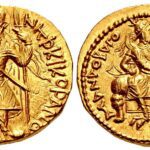 Vohu Manah
Ahriman is often depicted as a powerful entity with the ability to influence both humans and the natural world. His existence is not merely that of a villain; rather, he serves as a necessary counterbalance to the forces of good. This duality is essential in Zoroastrian thought, as it emphasizes the importance of free will. Humans are seen as agents of change, capable of choosing between the paths of Ahriman and Ahura Mazda. The concept of free will is central to Zoroastrian ethics, where individuals are responsible for their actions and the consequences that follow.
Ahriman’s Influence on the World
Ahriman’s influence extends beyond individual actions; it permeates the very fabric of the world. According to Zoroastrian beliefs, Ahriman is responsible for the creation of various evil spirits known as Daevas. These entities are thought to spread chaos, illness, and destruction. They are often depicted as tempters, leading humans away from the path of righteousness. The Daevas serve as manifestations of Ahriman’s power, highlighting the ongoing struggle against evil.
The physical world is also affected by Ahriman’s presence. Natural disasters, diseases, and other forms of suffering are attributed to his influence. Zoroastrians believe that these events are not merely random occurrences but are part of a larger cosmic battle between good and evil. This perspective encourages followers to remain vigilant and to actively combat the forces of Ahriman in their daily lives. By promoting goodness, truth, and justice, they seek to counteract the chaos that Ahriman represents.
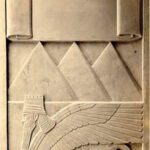 Saoshyant
The Battle Between Good and Evil
The conflict between Ahriman and Ahura Mazda is often depicted as an epic battle that transcends time and space. This struggle is not only cosmic but also deeply personal, as every individual faces their own battles against the influences of Ahriman. The Yasna, one of the primary texts of the Avesta, contains prayers and rituals aimed at seeking protection from Ahriman’s malevolent forces. These practices emphasize the importance of community and shared responsibility in the fight against evil.
The idea of a final battle, known as Frashokereti, is a significant aspect of Zoroastrian eschatology. In this vision, the forces of good will ultimately triumph over evil, leading to the restoration of the world to its original state of perfection. Ahriman will be defeated, and his influence will be eradicated. This hopeful outlook encourages Zoroastrians to remain steadfast in their faith and to strive for goodness, even in the face of adversity.
Symbolism and Representations of Ahriman
Ahriman is often symbolized by various elements that represent darkness and chaos. In Zoroastrian art and literature, he may be depicted as a shadowy figure or a serpent, signifying his deceptive and treacherous nature. These symbols serve to remind followers of the ever-present threat of evil and the importance of remaining vigilant. The imagery associated with Ahriman is meant to provoke a sense of awareness and caution, urging individuals to be mindful of their choices.
 Rashnu
In addition to his symbolic representations, Ahriman’s character is explored through stories and myths that illustrate his malevolence. These narratives often serve as cautionary tales, highlighting the consequences of succumbing to temptation or engaging in immoral behavior. By understanding Ahriman’s nature, Zoroastrians can better appreciate the significance of their ethical choices and the impact those choices have on their lives and the world around them.
Ahriman in Modern Context
In contemporary discussions, Ahriman’s role in Zoroastrianism can be seen as a reflection of the ongoing struggle between good and evil in the modern world. Many people grapple with ethical dilemmas and face choices that can lead them down paths of destruction or enlightenment. The concept of Ahriman serves as a reminder of the consequences of negative actions and the importance of striving for a better world.
The influence of Zoroastrianism, including the figure of Ahriman, can also be observed in various cultural and religious contexts. Elements of Zoroastrian thought have permeated other belief systems, leading to a broader understanding of dualism and the nature of evil. This cross-cultural exchange highlights the relevance of Ahriman’s story, emphasizing the universal themes of struggle, choice, and redemption.
Rituals and Practices Against Ahriman
Zoroastrian rituals often include prayers and ceremonies aimed at seeking protection from Ahriman and his evil forces. One of the most important rituals is the Yasht, which involves invoking divine powers to counteract the influence of evil. These rituals not only serve to protect individuals but also foster a sense of community among practitioners. Together, they reinforce their commitment to goodness and the fight against chaos.
Another significant practice is the recitation of the Avesta, which contains hymns and prayers specifically designed to combat the forces of Ahriman. These texts are believed to possess protective qualities, creating a spiritual shield against malevolence. The act of reciting these prayers is not only a form of worship but also a means of reaffirming one’s commitment to the principles of Zoroastrianism.
Ahriman’s Legacy in Literature and Philosophy
Ahriman’s influence extends into literature and philosophy, where he is often used as a symbol of the darker aspects of human nature. Writers and thinkers have drawn upon the figure of Ahriman to explore themes of morality, temptation, and the human condition. In many ways, Ahriman represents the internal struggles that individuals face as they navigate the complexities of life.
Philosophically, Ahriman can be seen as a representation of the existential challenges that humanity encounters. The duality of good and evil, embodied by Ahriman and Ahura Mazda, reflects the ongoing search for meaning and purpose. This dualistic perspective invites individuals to confront their inner demons and strive for personal growth, emphasizing the importance of self-awareness and ethical decision-making.
Ahriman in Comparative Mythology
The figure of Ahriman shares similarities with various entities found in other mythological traditions. For instance, the concept of a malevolent being opposing the forces of good can be seen in figures such as Satan in Christianity and Loki in Norse mythology. These parallels highlight a common human concern with the nature of evil and the struggle against it, suggesting that the themes surrounding Ahriman resonate across cultures and time periods.
Comparative mythology allows for a deeper understanding of how different societies interpret the dualities of existence. By examining Ahriman alongside other mythological figures, scholars can gain insights into the shared human experience of grappling with moral dilemmas and the quest for justice. This exploration underscores the universality of the themes present in Zoroastrianism and their relevance in contemporary society.
Conclusion of Ahriman’s Role in Zoroastrianism
Ahriman remains a significant figure in Zoroastrianism, representing the eternal struggle between good and evil. His presence serves as a reminder of the choices individuals face in their lives and the consequences of those choices. Through rituals, prayers, and philosophical discussions, Zoroastrians continue to confront the challenges posed by Ahriman, striving to uphold the values of truth, goodness, and justice in a world often fraught with chaos.