
In Fijian mythology, Mbulu is a significant figure that embodies various aspects of the Fijian cultural identity. Mbulu is often associated with the natural world, representing the connection between the spiritual and physical realms. This mythological character plays a crucial role in understanding the beliefs and values of the Fijian people. Through stories and oral traditions, Mbulu has become a symbol of strength, resilience, and harmony with nature. This article will explore the various dimensions of Mbulu, including its origins, stories, and the cultural significance it holds in Fijian society.
Origins of Mbulu
The origins of Mbulu can be traced back to ancient Fijian oral traditions. These stories have been passed down through generations, evolving over time but retaining their core messages. Mbulu is often depicted as a powerful being who interacts with both gods and humans. The narratives surrounding Mbulu illustrate the creation myths of Fiji, detailing how the islands were formed and the role Mbulu played in these events. According to some accounts, Mbulu emerged from the sea, symbolizing the connection between the ocean and the land, which is vital to Fijian life.
 Adi-mailagu
In Fijian mythology, Mbulu is sometimes portrayed as a guardian of the islands. This role emphasizes the importance of protecting the environment and respecting nature. The stories often highlight how Mbulu taught the people to live in harmony with their surroundings. This aspect of the myth reflects the deep respect that Fijians have for their land and the natural resources that sustain them. The legends of Mbulu serve as a reminder of the interconnectedness of all living things, reinforcing the idea that taking care of the environment is essential for survival.
Stories of Mbulu
There are numerous stories about Mbulu that vary from one region of Fiji to another. Each tale carries unique lessons and morals that resonate with the Fijian people. One popular story tells of how Mbulu fought against the forces of darkness to bring light to the islands. This battle represents the struggle between good and evil, a theme that is prevalent in many cultures worldwide. The triumph of Mbulu symbolizes hope and the enduring spirit of the Fijian people.
Another well-known story features Mbulu teaching the people how to cultivate the land. In this narrative, Mbulu demonstrates the importance of sustainable farming practices, showing how to grow crops without depleting the soil. This story is particularly significant in Fijian culture, where agriculture plays a vital role in the community’s livelihood. The lessons imparted by Mbulu highlight the necessity of respecting the land and utilizing its resources wisely, ensuring that future generations can thrive.
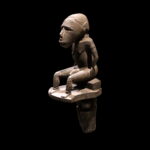 Ulupoka
Key Themes in Mbulu’s Stories
- Good vs. Evil: The ongoing battle between light and darkness.
- Respect for Nature: The importance of living in harmony with the environment.
- Community and Cooperation: Working together for the common good.
- Wisdom and Knowledge: The value of learning from elders and nature.
Each of these themes is woven into the fabric of Fijian life, illustrating how the stories of Mbulu are not just tales but essential teachings that guide behavior and societal norms. The moral lessons derived from these stories emphasize the significance of community, cooperation, and respect for the natural world. Through the character of Mbulu, Fijians can connect their past with their present, ensuring that the values of their ancestors continue to influence their way of life.
Mbulu in Fijian Culture
Mbulu holds a prominent place in Fijian culture, influencing various aspects of daily life. The stories of Mbulu are not only told during special ceremonies but are also incorporated into everyday conversations and teachings. Elders often share these tales with children, instilling in them the values that Mbulu represents. This oral tradition ensures that the lessons remain relevant and are passed down through generations, fostering a strong cultural identity.
In addition to storytelling, Mbulu is also celebrated through art and music. Traditional Fijian art often depicts scenes from the myths, showcasing the beauty and richness of the stories. Artists draw inspiration from Mbulu’s character and the lessons he embodies, creating pieces that reflect the deep connection Fijians have with their heritage. Music and dance performances also incorporate elements of Mbulu’s stories, allowing communities to celebrate their culture and keep the traditions alive.
 Turukawa
Expressions of Mbulu in Art and Music
- Traditional Paintings: Artwork depicting scenes from Mbulu’s stories.
- Dance Performances: Choreographed dances that tell the tales of Mbulu.
- Storytelling Events: Community gatherings focused on sharing Mbulu’s myths.
These expressions of culture not only honor Mbulu but also strengthen community bonds. They provide opportunities for people to come together, share experiences, and celebrate their identity as Fijians. The continued relevance of Mbulu in contemporary society highlights the importance of preserving cultural heritage while adapting to modern influences.
The Role of Mbulu in Spiritual Practices
In Fijian spirituality, Mbulu is often seen as a bridge between the human and divine realms. Many Fijians invoke Mbulu’s name during rituals and ceremonies, seeking guidance and protection. This connection to the spiritual world underscores the belief that Mbulu has the power to influence the lives of individuals and communities. The rituals often involve offerings, prayers, and communal gatherings, reinforcing the sense of unity among participants.
One common practice is to hold ceremonies during significant life events, such as births, marriages, and deaths. In these moments, Mbulu is called upon to bless the occasion, ensuring that the participants are guided by his wisdom. The rituals serve not only to honor Mbulu but also to reinforce the community’s shared beliefs and values. Through these spiritual practices, Fijians maintain a strong connection to their mythology, allowing them to draw strength from their cultural heritage.
Significance of Rituals Involving Mbulu
- Community Unity: Bringing people together to share in collective beliefs.
- Spiritual Guidance: Seeking wisdom and protection from Mbulu.
- Celebration of Life: Honoring important milestones and transitions.
The rituals associated with Mbulu are not merely acts of worship; they are vital components of Fijian identity. They foster a sense of belonging and continuity, allowing individuals to connect with their ancestors and the land. The spiritual significance of Mbulu reinforces the idea that the past, present, and future are interconnected, guiding Fijians in their journey through life.
Mbulu in Contemporary Fiji
In contemporary Fiji, the legacy of Mbulu continues to thrive. While modernization has introduced new influences, the core values represented by Mbulu remain relevant. Many Fijians still turn to these myths for guidance in navigating the complexities of modern life. The stories serve as a source of inspiration, reminding individuals of the importance of community, respect for nature, and resilience in the face of challenges.
Educational initiatives also play a crucial role in keeping the stories of Mbulu alive. Schools often incorporate Fijian mythology into their curricula, ensuring that students learn about their cultural heritage. This education fosters a sense of pride and identity among the younger generations, encouraging them to embrace their roots while adapting to a changing world. The preservation of Mbulu’s stories in education helps to bridge the gap between tradition and modernity.
Modern Interpretations of Mbulu
- Literature: New authors are reinterpreting Mbulu’s stories for contemporary audiences.
- Film and Media: Documentaries and films exploring Fijian mythology.
- Community Workshops: Engaging younger generations in storytelling and art.
These modern interpretations not only honor the original tales but also make them accessible to a broader audience. By reimagining Mbulu’s stories in various formats, Fijians can share their cultural heritage with the world, fostering understanding and appreciation for their traditions. The adaptability of Mbulu’s narratives demonstrates the enduring power of mythology in shaping cultural identity.
Lessons from Mbulu
The tales of Mbulu impart essential lessons that resonate with people beyond Fijian culture. The themes of resilience, respect for nature, and the importance of community are universal values that can inspire individuals from all walks of life. By reflecting on Mbulu’s stories, people can find guidance in their personal lives, encouraging them to embrace challenges with strength and determination.
Furthermore, the emphasis on environmental stewardship in Mbulu’s stories serves as a timely reminder of the need to protect our planet. As global challenges such as climate change and deforestation become increasingly pressing, the teachings of Mbulu encourage a return to sustainable practices. The wisdom embedded in these myths can inform modern approaches to environmental conservation, promoting a harmonious relationship with nature.
Universal Themes in Mbulu’s Lessons
- Resilience: Overcoming obstacles with determination.
- Environmental Stewardship: Caring for the earth and its resources.
- Community Support: The strength found in unity and cooperation.
the lessons from Mbulu extend far beyond the shores of Fiji, offering valuable insights for individuals and communities worldwide. By embracing these teachings, people can cultivate a deeper appreciation for their own cultural heritage while also recognizing the interconnectedness of all humanity. The enduring legacy of Mbulu serves as a testament to the power of mythology in shaping values, guiding behavior, and fostering a sense of belonging in an ever-changing world.