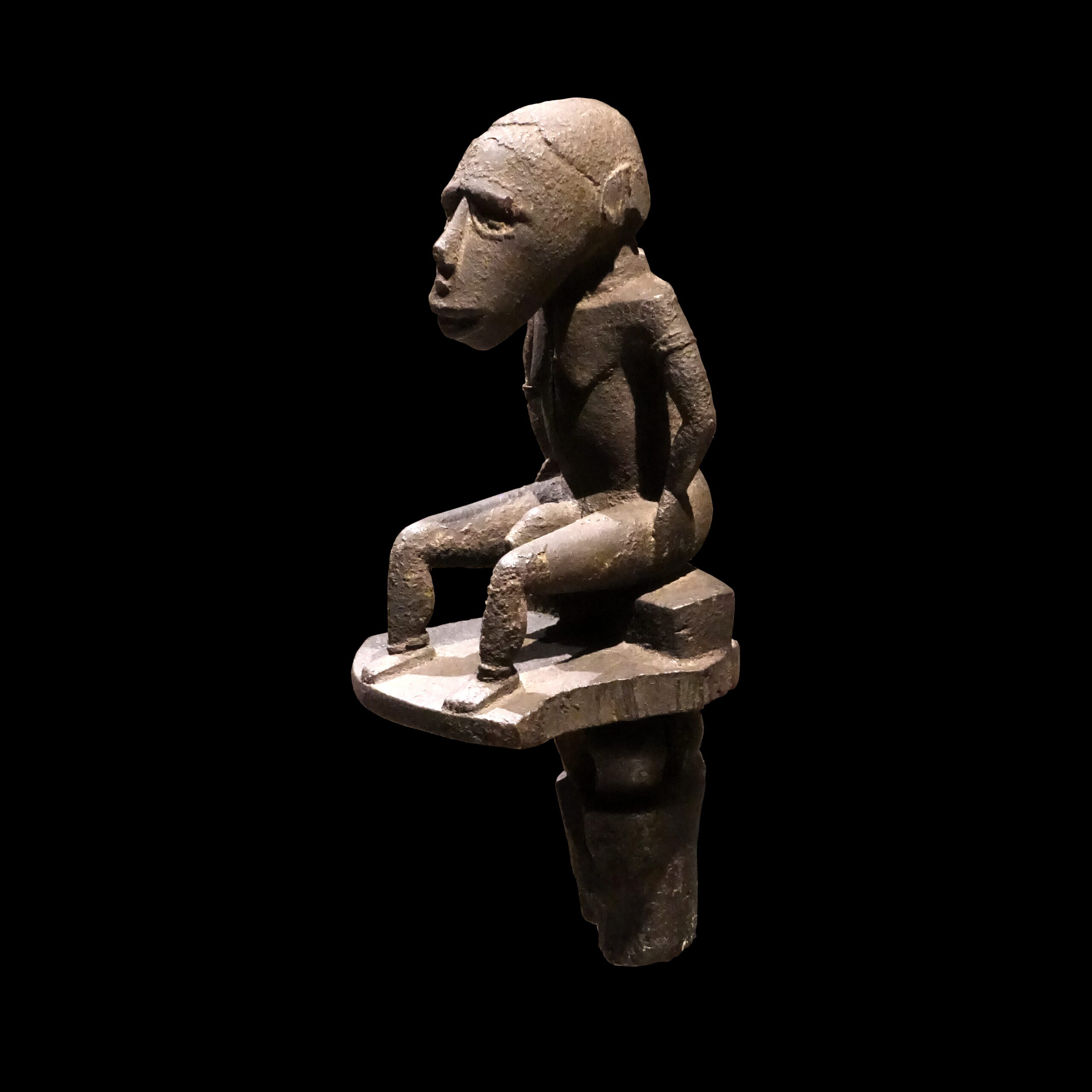
Ulupoka is a significant figure in Fijian mythology, representing various aspects of life and nature. This character is often associated with creation stories and the rich tapestry of beliefs held by the Fijian people. The mythology surrounding Ulupoka reveals much about the values, traditions, and worldview of Fijian society. Understanding Ulupoka provides insights into how the Fijians interpret their environment, their ancestors, and their connection to the spiritual realm. The stories of Ulupoka are not just tales; they are lessons and reflections on the human experience.
Origins of Ulupoka
The origins of Ulupoka are deeply embedded in the cultural heritage of Fiji. According to traditional narratives, Ulupoka was born from the union of the earth and the sky. This creation myth signifies the balance between different elements of nature, emphasizing the importance of harmony in the universe. The Fijian people believe that Ulupoka embodies the spirit of the land, acting as a guardian who oversees the natural world. This connection to both earth and sky highlights the Fijian respect for nature and the belief that all living things are interconnected.
 Turukawa
In many stories, Ulupoka is depicted as a powerful being who can control the elements. This power is not just for destruction but also for nurturing life. For example, during the planting season, Ulupoka is invoked to bring forth rain and sunshine, ensuring a bountiful harvest. The Fijians see Ulupoka as a provider, and their rituals often involve offerings and prayers to seek favor from this deity. This aspect of Ulupoka illustrates the importance of agriculture and sustenance in Fijian culture, where the community relies heavily on the land for survival.
Myths and Legends
Numerous myths and legends surround Ulupoka, each contributing to the rich narrative fabric of Fijian mythology. One popular legend tells of how Ulupoka created the first humans. According to this story, Ulupoka molded figures from the clay of the earth and breathed life into them. This act of creation is a testament to the belief that humans are inherently connected to the land. The Fijian people see themselves as custodians of the earth, responsible for protecting and nurturing the environment that sustains them.
Another legend involves Ulupoka’s encounters with other deities and spirits. These interactions often depict a struggle between good and evil, reflecting the duality of existence. In one tale, Ulupoka battles a malevolent spirit that threatens the harmony of the land. Through cleverness and strength, Ulupoka triumphs, restoring balance and peace. This story serves as a reminder of the constant struggle between positive and negative forces in life, encouraging the Fijians to remain vigilant in their moral choices.
 Tinandi Thambonga
Symbolism of Ulupoka
Ulupoka is rich in symbolism, representing various themes that resonate deeply within Fijian culture. One of the most prominent symbols associated with Ulupoka is balance. The idea that Ulupoka embodies both creation and destruction speaks to the need for equilibrium in all aspects of life. Fijians believe that maintaining balance in nature, relationships, and personal conduct is essential for a harmonious existence. This belief is reflected in their practices and rituals, which often aim to restore or maintain balance in the community and the environment.
Additionally, Ulupoka symbolizes protection. As a guardian of the land, Ulupoka is often invoked in times of crisis or uncertainty. The Fijians have a deep-seated belief that Ulupoka watches over them, ensuring their safety and well-being. This protective aspect is particularly important during times of natural disasters, where communities come together to pray for Ulupoka’s intervention. Such practices not only reinforce their faith in this deity but also strengthen community bonds as they collectively seek guidance and support.
Rituals and Worship
The worship of Ulupoka is an integral part of Fijian spiritual life. Various rituals are performed to honor this deity, especially during significant agricultural events such as planting and harvesting. These rituals often involve offerings of food, flowers, and traditional crafts, symbolizing gratitude and respect. The Fijians believe that by making these offerings, they can ensure Ulupoka’s favor and protection over their crops and livelihoods. This practice highlights the deep connection between spirituality and daily life in Fijian culture.
 Rokola
In addition to agricultural rituals, ceremonies are held to celebrate important milestones in the community, such as births, marriages, and funerals. During these events, Ulupoka is invoked to bless the proceedings and guide the participants. The communal aspect of these rituals fosters a sense of belonging and reinforces the cultural identity of the Fijian people. It is a way for them to come together, share their beliefs, and strengthen their ties to both their heritage and each other.
Ulupoka in Contemporary Fijian Society
In modern Fiji, the legacy of Ulupoka continues to influence cultural practices and beliefs. While some aspects of traditional worship may have diminished due to the influence of external religions and modernity, the core values associated with Ulupoka remain relevant. Many Fijians still look to Ulupoka for guidance and inspiration, particularly in matters related to the environment and community. The idea of being a caretaker of the land is a value that transcends generations, reflecting a deep respect for nature.
Furthermore, Ulupoka’s stories are often shared in educational settings, ensuring that younger generations understand their cultural heritage. Schools and community groups organize storytelling sessions where elders recount the tales of Ulupoka and other deities. These sessions not only serve to entertain but also to educate the youth about their roots and the importance of their cultural identity. By keeping the stories alive, the Fijians ensure that the wisdom of their ancestors continues to guide them in the present and future.
Influence on Arts and Culture
Ulupoka’s influence extends beyond mythology into the arts and culture of Fiji. Traditional dances, songs, and visual arts often draw inspiration from the stories and symbolism associated with Ulupoka. Dancers may depict the creation myths through elaborate movements and costumes, celebrating the beauty and complexity of their heritage. Music, too, plays a vital role, with songs dedicated to Ulupoka often performed during community gatherings and festivals.
Visual arts, including carving and weaving, also reflect the themes of Ulupoka. Artists create pieces that symbolize balance, protection, and the connection between humans and nature. These artworks serve not only as aesthetic expressions but also as cultural artifacts that tell the stories of the Fijian people. By integrating Ulupoka into their creative expressions, the Fijians continue to honor their mythology while adapting to contemporary artistic practices.
Lessons from Ulupoka
The stories of Ulupoka impart valuable lessons that resonate with the Fijian people. One of the most significant teachings is the importance of community. Many myths emphasize the need for collaboration and support among individuals, highlighting that strength lies in unity. The Fijians believe that working together, much like Ulupoka and other deities collaborate to maintain balance, is essential for overcoming challenges and achieving common goals.
Another crucial lesson from Ulupoka’s stories is the significance of respecting nature. The Fijian belief that Ulupoka embodies the spirit of the land encourages a profound appreciation for the environment. This respect manifests in sustainable practices, where the community prioritizes conservation and responsible use of natural resources. The teachings of Ulupoka remind the Fijians that their well-being is intertwined with the health of the land, urging them to act as stewards of their environment.
Ulupoka stands as a testament to the rich cultural heritage of Fiji, embodying essential values and beliefs that shape the lives of the Fijian people. Through myths, rituals, and artistic expressions, Ulupoka continues to inspire and guide the community, ensuring that the lessons of the past remain relevant in the present. The stories of Ulupoka not only reflect the spiritual landscape of Fiji but also serve as a reminder of the enduring connection between humanity and the natural world.