
In Fijian mythology, Adi-mailagu is a significant figure that embodies the rich cultural narratives and beliefs of the Fijian people. The stories surrounding Adi-mailagu are steeped in tradition and reflect the values, morals, and spiritual beliefs of the Fijian society. Adi-mailagu is often depicted as a powerful and benevolent spirit, guiding and protecting those who honor her. The mythology surrounding this figure offers insights into the Fijian way of life, emphasizing the importance of family, community, and respect for nature.
The Origins of Adi-mailagu
The origins of Adi-mailagu can be traced back to the ancient times when the Fijian islands were inhabited by various tribes and clans. According to legend, Adi-mailagu was born from the union of a powerful chief and a revered goddess. This divine lineage granted her extraordinary abilities and a unique connection to the spiritual world. The tales of her birth are often recounted during traditional ceremonies, highlighting her significance in Fijian culture.
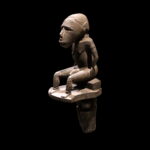 Ulupoka
Adi-mailagu is believed to have emerged from the waters, symbolizing the vital connection between the sea and the Fijian people. The ocean has always been a source of sustenance and livelihood for the Fijians, making her association with it particularly meaningful. This connection is celebrated in various rituals, where offerings are made to honor her and seek her blessings for bountiful harvests and safe voyages.
The Characteristics of Adi-mailagu
Adi-mailagu is often described as a beautiful woman with long, flowing hair and an aura of grace and strength. Her presence is said to evoke feelings of peace and safety among those who encounter her. She is depicted wearing traditional Fijian attire, adorned with vibrant colors and intricate patterns that reflect the cultural heritage of the islands. Her beauty is not just physical; it symbolizes the beauty of nature and the harmony that exists within the Fijian landscape.
Beyond her physical appearance, Adi-mailagu is characterized by her wisdom and compassion. She is known for her ability to heal and protect those in need. Many stories recount how she intervenes in the lives of individuals facing hardships, providing guidance and support. This aspect of her character reinforces the importance of community and the interconnectedness of all beings in Fijian culture.
 Turukawa
The Legends of Adi-mailagu
Numerous legends surround Adi-mailagu, each contributing to her status as a central figure in Fijian mythology. One of the most famous stories tells of how she saved a village from a devastating storm. According to the tale, the villagers were terrified as dark clouds gathered overhead, threatening to destroy their homes. In their desperation, they prayed to Adi-mailagu for protection. Responding to their cries, she appeared, calming the winds and diverting the storm away from the village.
This legend illustrates the deep respect the Fijians have for nature and their belief in the power of spiritual beings. Adi-mailagu’s intervention serves as a reminder of the importance of harmony between humans and the environment. The story is often told during community gatherings, emphasizing the need for collective faith and unity in the face of adversity.
 Tinandi Thambonga
Adi-mailagu in Fijian Culture
Adi-mailagu plays a vital role in various aspects of Fijian culture, from traditional practices to contemporary beliefs. Her influence can be seen in the way Fijians celebrate significant life events, such as births, marriages, and funerals. During these ceremonies, rituals are performed to honor her and seek her blessings, reinforcing the connection between the spiritual and physical realms.
Art and music also reflect the impact of Adi-mailagu on Fijian culture. Traditional songs and dances often incorporate stories of her deeds, serving as a means of preserving and transmitting cultural knowledge. These performances are not just entertainment; they are a way to keep the spirit of Adi-mailagu alive and relevant in the modern world.
Modern Interpretations of Adi-mailagu
As Fijian society continues to evolve, so too does the interpretation of Adi-mailagu. In contemporary times, she is often viewed as a symbol of resilience and empowerment. Many Fijians see her as a representation of their identity and cultural heritage, particularly in the face of globalization and changing societal norms. This shift in perception has led to a renewed interest in traditional practices and beliefs.
Community organizations and cultural groups actively promote the stories of Adi-mailagu, ensuring that younger generations remain connected to their roots. Educational programs and cultural festivals celebrate her legacy, fostering a sense of pride among Fijians. This resurgence of interest highlights the enduring relevance of Adi-mailagu in a rapidly changing world.
The Role of Adi-mailagu in Environmental Stewardship
In addition to her spiritual significance, Adi-mailagu is increasingly recognized for her role in promoting environmental stewardship. The Fijian islands are home to rich biodiversity and unique ecosystems that are vital to the community’s way of life. Adi-mailagu’s connection to the sea and nature serves as a powerful reminder of the importance of preserving these natural resources.
Many Fijians view their relationship with the environment as sacred, guided by the teachings of Adi-mailagu. Traditional ecological knowledge is passed down through generations, emphasizing sustainable practices that honor the land and sea. This holistic approach to environmental conservation is rooted in the belief that all beings are interconnected, and the well-being of one affects the well-being of all.
Adi-mailagu in Contemporary Fijian Society
Today, Adi-mailagu continues to be a source of inspiration for many Fijians. Her stories resonate with those seeking guidance and strength in their daily lives. The themes of love, compassion, and resilience found in the legends of Adi-mailagu are particularly relevant in a world facing numerous challenges, from climate change to social injustices.
In urban areas, where traditional practices may be less visible, the influence of Adi-mailagu can still be felt. Community leaders and activists often reference her teachings when advocating for social and environmental issues. This connection to mythology provides a powerful framework for addressing contemporary challenges, reminding Fijians of their cultural heritage and the wisdom it holds.
Preserving the Legacy of Adi-mailagu
The preservation of Adi-mailagu’s legacy is crucial for the cultural identity of the Fijian people. Efforts are underway to document and share the stories, songs, and rituals associated with her. Cultural centers and museums play a vital role in this endeavor, providing resources and platforms for education and awareness.
Additionally, the integration of traditional knowledge into formal education systems is gaining traction. Schools are increasingly incorporating Fijian mythology, including the tales of Adi-mailagu, into their curricula. This initiative not only fosters a sense of pride among students but also ensures that the wisdom of the past is not lost in the modern world.
Conclusion: The Enduring Spirit of Adi-mailagu
Adi-mailagu remains a powerful symbol of the Fijian spirit, embodying the values and beliefs that define the culture. Her stories are a testament to the resilience and strength of the Fijian people, offering guidance and inspiration for future generations. As society evolves, the legacy of Adi-mailagu continues to thrive, reminding all of the importance of community, respect for nature, and the enduring connection to one’s roots.