
Rhea is a significant figure in Greek mythology, known as the mother of the gods and the daughter of the primordial deities Gaia and Uranus. She is often associated with fertility, motherhood, and the nurturing aspects of nature. Rhea played a crucial role in the myths surrounding the creation of the world and the subsequent rise of the Olympian gods. Her story intertwines with various other deities and legends, highlighting her importance in the ancient Greek pantheon.
The Birth of the Olympian Gods
Rhea’s most notable role in Greek mythology is as the mother of the Olympian gods. She gave birth to several key figures, including Zeus, Hera, Poseidon, Demeter, Hestia, and Hades. Each of these gods and goddesses played a vital role in the myths and legends of ancient Greece. Rhea’s union with her brother, Cronus, produced these powerful offspring, but their birth was marked by tragedy and strife.
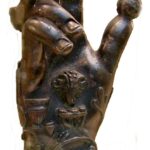 Sabazius
Cronus, fearing a prophecy that stated one of his children would overthrow him, decided to swallow each of them at birth. This cruel act left Rhea heartbroken and desperate to save her children. She devised a plan to rescue her youngest child, Zeus, who would ultimately fulfill the prophecy. Rhea’s determination to protect her offspring showcases her strength and maternal instincts.
Rhea’s Clever Deception
To save Zeus from being swallowed by Cronus, Rhea took a bold step. When Zeus was born, she wrapped a stone in swaddling clothes and presented it to Cronus, convincing him that it was their newborn son. Cronus, unaware of the deception, swallowed the stone, believing he had consumed his child. Meanwhile, Rhea hid Zeus in a cave on the island of Crete, where he was nurtured and raised away from his father’s wrath.
- Rhea’s cunning saved Zeus’s life.
- She demonstrated her love and protectiveness as a mother.
- Zeus would grow up to challenge Cronus and rescue his siblings.
 Salmoneus
Rhea’s actions were pivotal in the eventual overthrow of Cronus. When Zeus reached adulthood, he returned to confront his father, leading to a series of events that would change the course of mythology forever. This rebellion not only freed his siblings but also established the reign of the Olympian gods, marking a significant turning point in Greek mythology.
Symbolism and Worship
Rhea is often associated with various symbols that represent her nurturing and motherly qualities. She is frequently depicted with animals, particularly lions and bears, which symbolize strength and protection. These animals reflect her role as a mother who fiercely guards her children. In addition, Rhea is sometimes shown holding a cornucopia, representing abundance and fertility, further emphasizing her connection to nature and growth.
The worship of Rhea was prevalent in ancient Greece, particularly in regions like Phrygia, where she was known as the Great Mother. Temples dedicated to her were built, and rituals were performed to honor her. These rituals often involved offerings of food and other gifts, symbolizing gratitude for her blessings of fertility and protection. Rhea’s worship was integral to the agricultural cycles, as people sought her favor for bountiful harvests.
 Serapis
Festivals and Celebrations
Various festivals were held in honor of Rhea, showcasing her importance in the ancient Greek religious landscape. One of the most significant festivals was the Rhea Festival, celebrated in her honor with processions, feasts, and rituals. Participants would gather to pay homage to the goddess, expressing their gratitude for her blessings. These celebrations often included music, dancing, and theatrical performances that depicted her myths and stories.
- Festivals were essential for community bonding.
- Rituals emphasized gratitude and reverence for Rhea.
- Such celebrations reinforced cultural values and beliefs.
During these festivals, participants would recount the myths of Rhea and her children, reinforcing their significance in Greek culture. The stories served not only as entertainment but also as a means of passing down important values and teachings from one generation to the next. Through these gatherings, the worship of Rhea and the recognition of her contributions to mythology were kept alive.
Rhea in Art and Literature
Rhea’s influence extends beyond religious practices into the realm of art and literature. She has been depicted in various forms of art, including sculptures, pottery, and paintings. Artists often portrayed her in a maternal light, emphasizing her nurturing qualities. These representations served to celebrate her role as the mother of the gods and her connection to fertility and nature.
In literature, Rhea appears in several ancient texts, including the works of Hesiod and Homer. These texts recount her story, detailing her struggles and triumphs as a mother. They emphasize her significance in the divine hierarchy and her contributions to the mythology of the Olympian gods. Through these narratives, Rhea’s character is further developed, showcasing her resilience and strength.
Mythological Interpretations
Different interpretations of Rhea’s character can be found in various myths. Some view her as a figure of compassion and nurturing, while others see her as a symbol of the struggles faced by mothers in a patriarchal society. The duality of her character allows for a rich exploration of themes such as feminine strength, sacrifice, and resilience. Rhea’s story resonates with many, making her a relatable figure in mythology.
- Rhea represents the struggles of motherhood.
- Her character reflects the complexities of female strength.
- Different interpretations enrich her mythological narrative.
These diverse portrayals of Rhea contribute to her lasting legacy in Greek mythology. They allow for a multifaceted understanding of her character and her significance in the lives of the gods and mortals alike. Rhea serves as a reminder of the power of maternal love and the sacrifices made in the name of family.
The Legacy of Rhea
Rhea’s legacy endures in various aspects of modern culture. Her story continues to inspire artists, writers, and filmmakers who draw upon her character and themes. The idea of a strong, protective mother resonates across cultures, making Rhea a timeless symbol of motherhood and strength. Her influence can be seen in contemporary representations of female figures in literature and media.
Furthermore, Rhea’s association with nature and fertility is reflected in modern discussions about environmentalism and the importance of nurturing the earth. Her connection to the cycles of life and growth serves as a reminder of the responsibility humans have to protect and preserve the natural world. This aspect of her legacy encourages a deeper appreciation for the environment and the role of women in fostering life.
Rhea in Modern Culture
In popular culture, Rhea has been referenced in various forms of media, including books, movies, and television shows. Her character often embodies themes of strength, sacrifice, and resilience, resonating with contemporary audiences. This enduring relevance highlights the universal nature of her story and the values she represents.
- Rhea’s character is adapted in various modern narratives.
- Her themes resonate with contemporary issues of motherhood and strength.
- Rhea serves as a source of inspiration for artists and creators.
As society continues to evolve, the lessons and values embodied by Rhea remain significant. Her story encourages discussions about the roles of women, the importance of family, and the need for nurturing and protecting the earth. Through her legacy, Rhea remains a powerful figure in both ancient and modern contexts, serving as a symbol of maternal love and strength.
Conclusion: The Enduring Influence of Rhea
Rhea’s story is one of resilience, love, and the complexity of motherhood. Her role as the mother of the gods and her struggles against patriarchal oppression resonate with audiences across time. Through her cunning and strength, Rhea not only protected her children but also laid the foundation for the rise of the Olympian gods. Her legacy continues to inspire and influence various aspects of culture, reminding us of the timeless power of maternal love and the importance of nurturing life.