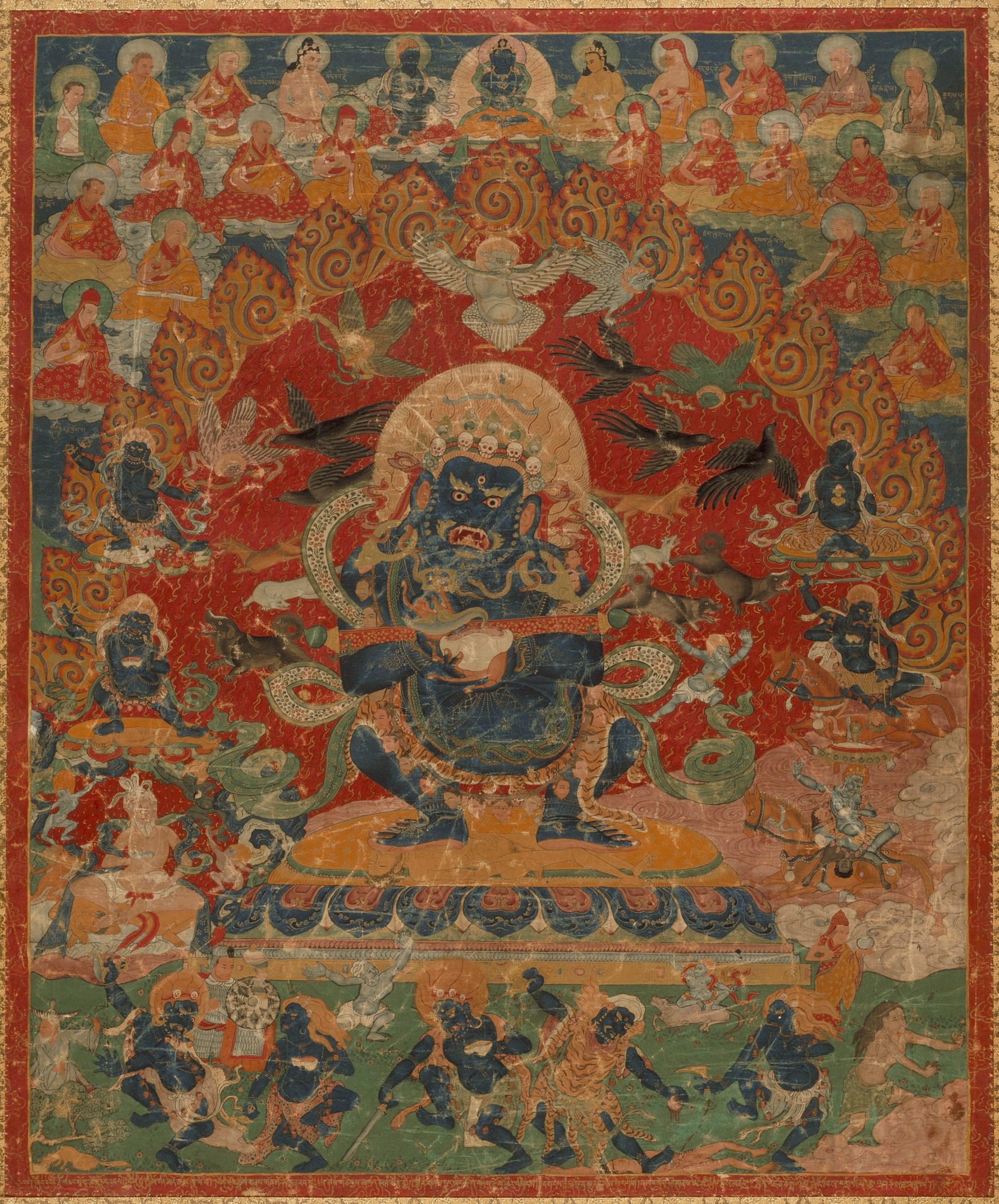
In Buddhist mythology, Mahakala is a significant figure who embodies the protective aspects of the Buddha’s teachings. He is often depicted as a fierce and powerful deity, representing the transformation of negative forces into positive energy. Mahakala is revered in various Buddhist traditions, particularly in Tibetan Buddhism, where he is considered a guardian of the Dharma and a protector of practitioners. His fierce appearance is meant to symbolize the strength and intensity required to overcome obstacles on the spiritual path.
Origins of Mahakala
The origins of Mahakala can be traced back to ancient Indian traditions, where he was initially associated with the Hindu god Shiva. Over time, Mahakala became integrated into Buddhist mythology, taking on a new role as a protector and guardian of the Buddhist teachings. His name translates to “Great Time,” indicating his connection to the concept of time and the impermanence of all things. In this context, Mahakala serves as a reminder of the transient nature of life and the importance of embracing the present moment.
 Gongen
Mahakala’s transformation from a Hindu deity to a Buddhist protector reflects the dynamic nature of religious beliefs and practices. As Buddhism spread throughout Asia, various local deities were incorporated into the pantheon of Buddhist figures. This blending of traditions allowed Mahakala to evolve, adopting new attributes and characteristics while still retaining his original essence. This adaptability has made him a prominent figure in Buddhist iconography and rituals.
Iconography of Mahakala
Mahakala is typically depicted with a fierce expression, symbolizing his role as a protector. He often has multiple arms, which can vary in number depending on the tradition. Each of his arms may hold different symbolic objects, such as a sword, a trident, or a skull cup, representing various aspects of the spiritual journey. His skin is usually dark blue or black, signifying the transformation of ignorance into wisdom. This color is also associated with the void and the ultimate reality of existence.
In many depictions, Mahakala is shown standing on a corpse or a demon, further emphasizing his role in overcoming obstacles and negative forces. His fierce appearance is meant to instill a sense of fearlessness in practitioners, encouraging them to confront their own inner demons and challenges. The symbolism in Mahakala’s iconography serves as a powerful reminder of the strength and determination needed on the path to enlightenment.
 Gong De Tian
Common Attributes in Iconography
- Multiple Arms: Representing the ability to perform various tasks simultaneously.
- Fierce Expression: Symbolizing the power to protect and overcome negativity.
- Dark Skin Color: Signifying the transformation of ignorance into wisdom.
- Symbolic Objects: Each item he holds has specific meanings related to spiritual practices.
Another notable aspect of Mahakala’s iconography is his accompaniments. He is often portrayed alongside various other deities, such as Vajrayogini or Padmasambhava, who are also important figures in Tibetan Buddhism. These pairings highlight the interconnectedness of different spiritual practices and the collaborative nature of the Buddhist path. The presence of other deities alongside Mahakala reinforces his role as a protector and a central figure in the pantheon of Tibetan Buddhism.
Mahakala in Tibetan Buddhism
In Tibetan Buddhism, Mahakala holds a unique and esteemed position. He is regarded as one of the most important Dharmapalas, or protectors of the Dharma. His primary role is to safeguard the teachings of the Buddha and to protect practitioners from harm. Mahakala is often invoked during rituals and ceremonies, where his powerful presence is believed to help dispel obstacles and negative influences. Monks and practitioners may recite prayers and mantras dedicated to Mahakala, seeking his protection and guidance on their spiritual journeys.
There are several forms of Mahakala in Tibetan Buddhism, each with its own specific attributes and qualities. The two most commonly worshipped forms are Black Mahakala and White Mahakala. Black Mahakala is often associated with the protection of the teachings and the removal of obstacles, while White Mahakala is linked to the cultivation of compassion and the granting of prosperity. This duality highlights the balance between fierce protection and gentle guidance in the spiritual path.
 Gautama
Practices Associated with Mahakala
- Ritual Offerings: Practitioners may offer food, incense, and other items to Mahakala as a sign of respect and devotion.
- Chanting Mantras: Reciting specific mantras dedicated to Mahakala helps to invoke his protective qualities.
- Visualization Meditations: Practitioners often visualize Mahakala during meditation to embody his qualities of strength and fearlessness.
Mahakala is also a central figure in various Tibetan Buddhist rituals, especially in the context of protective practices. These rituals often involve elaborate ceremonies, where practitioners create mandalas and perform specific offerings to invoke Mahakala’s blessings. The intention behind these practices is to purify negative energies and to create a safe environment for spiritual growth. Mahakala’s fierce energy is believed to cut through ignorance and delusion, helping practitioners to gain clarity and insight.
Mahakala and Meditation
In the context of meditation, Mahakala serves as a powerful figure for practitioners seeking to overcome their inner challenges. Meditating on Mahakala involves visualizing his fierce form and embodying his qualities of strength and determination. This practice can help individuals confront their fears and insecurities, fostering a sense of empowerment. By connecting with Mahakala’s energy, practitioners can cultivate resilience and develop a deeper understanding of their own spiritual journeys.
Many meditation practices centered around Mahakala involve the repetition of specific mantras. These mantras serve as a means of focusing the mind and invoking Mahakala’s protective qualities. The sound and vibration of the mantras are believed to resonate with Mahakala’s energy, creating a sacred space for meditation. Through consistent practice, individuals can experience a transformation in their mental and emotional states, allowing them to navigate life’s challenges with greater ease.
Benefits of Mahakala Meditation
- Overcoming Fear: Practicing with Mahakala can help individuals confront and overcome their fears.
- Cultivating Strength: Connecting with Mahakala’s energy fosters inner strength and resilience.
- Gaining Clarity: Meditation can lead to greater clarity and insight on one’s spiritual path.
Furthermore, Mahakala meditation can serve as a tool for transformation. By focusing on his fierce qualities, practitioners can learn to transform negative emotions into positive energy. This process involves recognizing and accepting one’s fears, doubts, and insecurities, and then channeling that energy into motivation and determination. The practice encourages individuals to embrace their challenges as opportunities for growth, ultimately leading to a more profound understanding of themselves and their spiritual paths.
Mahakala in Rituals and Festivals
Mahakala plays a significant role in various rituals and festivals within Tibetan Buddhism. One of the most important celebrations is the Mahakala Puja, a ritual dedicated to invoking his protective qualities. During this puja, practitioners gather to recite prayers, chant mantras, and perform offerings to Mahakala. The ritual is believed to purify the environment and create a protective space for the community. It serves as a reminder of the importance of collective spiritual practice and the power of community in overcoming obstacles.
In addition to the Mahakala Puja, Mahakala is also celebrated during the Losar, the Tibetan New Year. During this time, rituals dedicated to Mahakala are performed to ensure a prosperous and protected year ahead. The festivities often include colorful decorations, traditional dances, and communal gatherings. These celebrations highlight the cultural significance of Mahakala in Tibetan society and the deep-rooted connection between spirituality and community life.
Key Rituals Involving Mahakala
- Mahakala Puja: A dedicated ritual for invoking Mahakala’s protection and blessings.
- Losar Celebrations: Incorporating Mahakala rituals into the Tibetan New Year festivities.
- Protective Rituals: Various ceremonies aimed at purifying negative energies and safeguarding practitioners.
Mahakala’s presence in these rituals underscores his importance as a guardian and protector within the Tibetan Buddhist tradition. By participating in these ceremonies, practitioners not only seek Mahakala’s blessings but also strengthen their connection to the community and the teachings of the Buddha. These rituals serve as a reminder of the interconnectedness of all beings and the shared responsibility to protect and uphold the Dharma.
Mahakala’s Influence Beyond Buddhism
While Mahakala is primarily associated with Tibetan Buddhism, his influence extends beyond this tradition. His fierce attributes and protective qualities resonate with individuals seeking strength and guidance in various spiritual paths. Many practitioners from different backgrounds may find inspiration in Mahakala’s teachings and incorporate elements of his practice into their own spiritual journeys. This cross-pollination of ideas reflects the universal nature of spiritual quests and the shared human experience of seeking protection and guidance.
In contemporary spiritual practices, Mahakala’s fierce energy can be seen in various forms of self-empowerment and personal development. Individuals facing challenges in their lives may draw upon Mahakala’s qualities to cultivate resilience and courage. This adaptation of Mahakala’s symbolism demonstrates the relevance of ancient teachings in modern contexts, allowing individuals to connect with the deeper aspects of their own spiritual journeys.
Modern Adaptations of Mahakala’s Teachings
- Self-Empowerment Workshops: Incorporating Mahakala’s fierce energy into personal development practices.
- Cross-Traditional Practices: Blending Mahakala’s teachings with various spiritual traditions.
- Community Support: Emphasizing the importance of community in overcoming challenges.
Moreover, Mahakala’s teachings can be integrated into mindfulness practices, encouraging individuals to confront their fears and uncertainties with courage and determination. By embracing Mahakala’s fierce energy, practitioners can cultivate a deeper understanding of their own strengths and weaknesses, ultimately leading to personal growth and transformation. This modern adaptation of Mahakala’s teachings highlights the enduring relevance of his wisdom in navigating the complexities of contemporary life.
Conclusion: The Enduring Legacy of Mahakala
Mahakala’s enduring legacy in Buddhist mythology reflects the profound impact of his teachings on practitioners across generations. As a symbol of protection, strength, and transformation, Mahakala serves as a guiding force for those on the spiritual path. His fierce energy encourages individuals to confront their inner challenges and embrace the transformative power of their experiences. Through rituals, meditation, and community practices, Mahakala continues to inspire and empower practitioners, reminding them of the importance of resilience and determination in the pursuit of enlightenment.