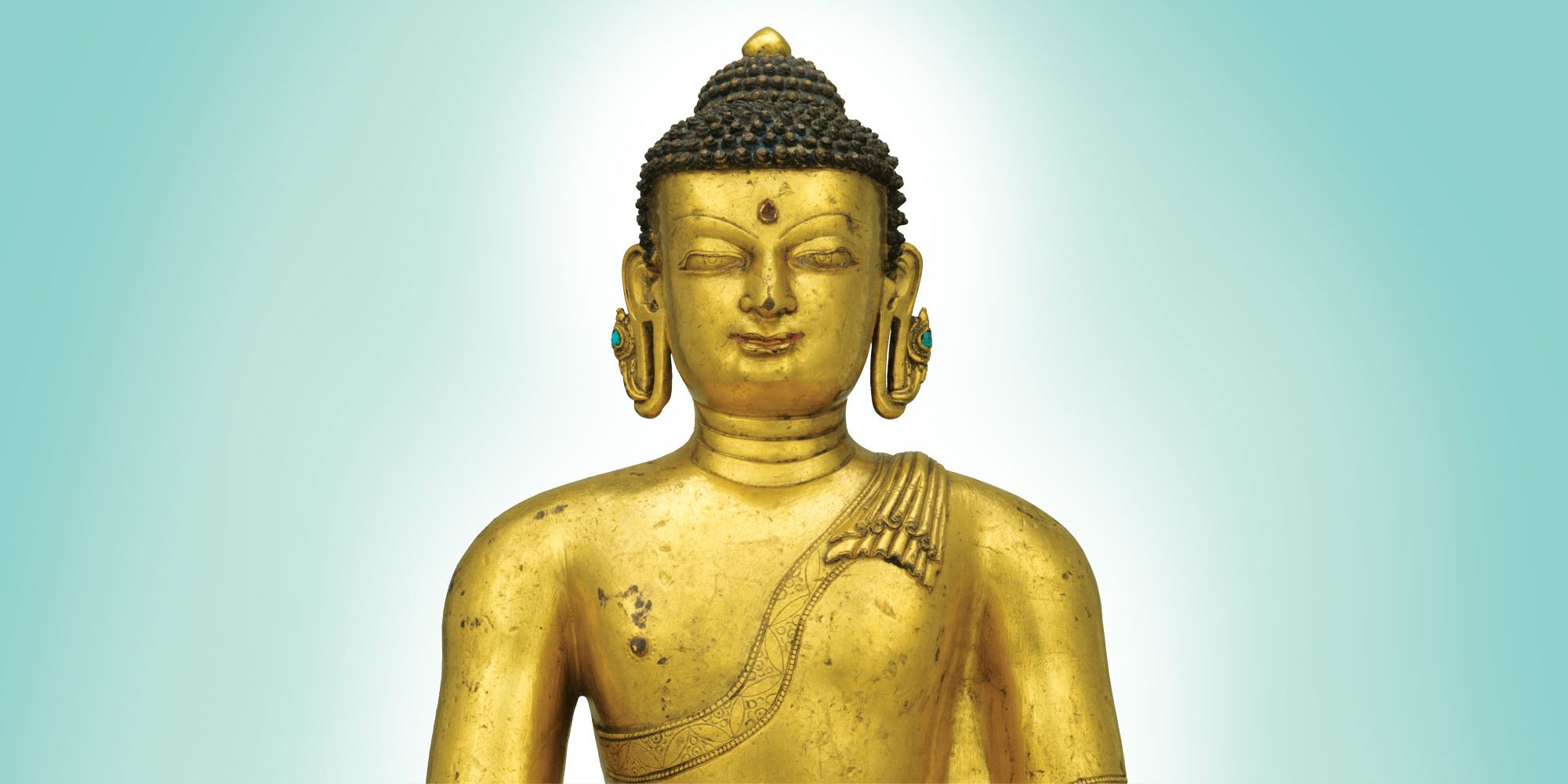
Gautama, also known as Siddhartha Gautama, is a central figure in Buddhist mythology and is widely recognized as the founder of Buddhism. His life and teachings have profoundly influenced millions of people across the globe. Gautama was born into a royal family in Lumbini, which is in present-day Nepal, around the 5th century BCE. His early life was characterized by luxury and comfort, but he soon became aware of the suffering in the world. This awareness prompted him to seek a path to enlightenment, leading him to renounce his royal status and embark on a spiritual journey.
The Early Life of Gautama
Gautama was born to King Śuddhodana and Queen Maya. According to Buddhist tradition, his birth was miraculous; he emerged from his mother’s side without any pain. His father, wanting to protect him from the harsh realities of life, sheltered him in the palace and provided him with all the pleasures of life. Gautama was surrounded by wealth, beauty, and luxury, but he felt an inner emptiness that he could not explain. This sense of discontent would later lead him to seek deeper truths.
 Gaki
GakiAs a young prince, Gautama was married to Yasodhara, and they had a son named Rahula. Despite his privileged life, he was troubled by the questions of suffering and existence. One day, while venturing outside the palace, he encountered the “Four Sights”: an old man, a sick man, a dead body, and an ascetic. These sights profoundly affected him and opened his eyes to the reality of human suffering. He realized that all beings are subject to aging, illness, and death, and he began to question the purpose of life.
Feeling a strong urge to understand the nature of suffering, Gautama decided to leave his family and royal life behind. This moment, known as the “Great Renunciation,” marked a turning point in his life. He donned the robes of an ascetic and began his quest for enlightenment. Gautama’s decision to leave everything behind reflects his deep commitment to finding a solution to human suffering.
 Fugen
FugenThe Quest for Enlightenment
Gautama’s quest for enlightenment took him on a journey through various spiritual practices and philosophies. He studied under several renowned teachers and practiced intense forms of meditation and asceticism. He sought to understand the nature of reality and the cause of suffering. However, despite his rigorous efforts, he found that none of the practices provided the answers he sought. This realization led him to abandon extreme asceticism, as he believed that it did not lead to true understanding.
After leaving his ascetic companions, Gautama sat beneath a Bodhi tree in Bodh Gaya, India, vowing not to rise until he attained enlightenment. This moment of determination is crucial in Buddhist mythology, as it symbolizes his commitment to discovering the truth. During his meditation, he faced numerous temptations and distractions, personified by the demon Mara, who tried to dissuade him from his path. However, Gautama remained steadfast, focusing on his inner journey.
After days of meditation, Gautama finally attained enlightenment. He realized the nature of suffering, its causes, and the path leading to its cessation. This profound insight transformed him into the Buddha, which means “the Awakened One.” His enlightenment is often depicted as a moment of profound clarity and understanding, where he comprehended the interconnectedness of all beings and the impermanence of life.
 Fudo
FudoThe Four Noble Truths
Following his enlightenment, Gautama began to share his insights with others. He articulated his teachings in the form of the Four Noble Truths, which form the foundation of Buddhist philosophy. The first noble truth is the recognition that suffering exists. This includes the suffering that arises from birth, aging, illness, and death, as well as the suffering caused by attachment and desire.
- First Noble Truth: The truth of suffering (Dukkha)
- Second Noble Truth: The truth of the cause of suffering (Samudaya)
- Third Noble Truth: The truth of the cessation of suffering (Nirodha)
- Fourth Noble Truth: The truth of the path leading to the cessation of suffering (Magga)
The second noble truth explains that the cause of suffering is desire and attachment. Gautama taught that craving leads to a cycle of rebirth and suffering. The third noble truth states that it is possible to end suffering by letting go of attachment and desire. Finally, the fourth noble truth outlines the path to liberation, known as the Noble Eightfold Path, which includes right understanding, right intention, right speech, right action, right livelihood, right effort, right mindfulness, and right concentration.
The Noble Eightfold Path
The Noble Eightfold Path is a practical guide for ethical and mental development. It serves as a roadmap for individuals seeking to end suffering and attain enlightenment. Each aspect of the path is interconnected, and together they provide a comprehensive approach to living a mindful and compassionate life. The first step, right understanding, involves comprehending the nature of reality and the Four Noble Truths.
Right intention encourages individuals to cultivate thoughts of love and compassion. It emphasizes the importance of setting positive intentions in one’s actions. Right speech focuses on the ethical use of language, promoting honesty and kindness in communication. Right action involves behaving ethically and refraining from harmful behaviors, such as killing, stealing, and engaging in sexual misconduct.
Right livelihood encourages individuals to choose professions that do not harm others. This principle aligns with the idea of living a life that promotes the well-being of all beings. Right effort involves making a conscious effort to develop wholesome qualities and abandon unwholesome ones. Right mindfulness emphasizes the importance of being aware of one’s thoughts, feelings, and actions in the present moment. Finally, right concentration focuses on developing deep states of meditation to gain insight into the nature of reality.
The Spread of Buddhism
After attaining enlightenment, Gautama spent the next 45 years of his life teaching others. He traveled extensively throughout India, sharing his insights and establishing a community of followers known as the Sangha. His teachings attracted individuals from various backgrounds, including royalty, merchants, and outcasts. The inclusive nature of his message emphasized that anyone could attain enlightenment, regardless of their social status.
Gautama’s teachings were initially transmitted orally, and his disciples played a crucial role in preserving and spreading his message. They shared his teachings in the form of discourses, known as suttas, which were later compiled into sacred texts. These texts form the basis of the Pali Canon, a significant collection of Buddhist scriptures. The teachings of Gautama began to spread beyond India, reaching other parts of Asia, including Sri Lanka, China, Japan, and Southeast Asia.
As Buddhism spread, it adapted to various cultural contexts, leading to the emergence of different schools and traditions. Some of the major branches of Buddhism include Theravada, Mahayana, and Vajrayana. Each tradition interprets the teachings of Gautama in unique ways, while still adhering to the core principles of his philosophy. The ability of Buddhism to adapt and resonate with diverse cultures has contributed to its longevity and continued relevance.
The Legacy of Gautama
Gautama’s legacy extends far beyond his lifetime. His teachings have inspired countless individuals to pursue a path of compassion, mindfulness, and self-awareness. The principles of Buddhism have influenced various aspects of culture, art, and philosophy throughout history. His emphasis on compassion and understanding has made a lasting impact on ethical thought and social justice movements.
In contemporary society, many people turn to Buddhism for guidance in navigating the challenges of modern life. The practice of mindfulness, rooted in Gautama’s teachings, has gained popularity in various fields, including psychology, education, and healthcare. Mindfulness practices encourage individuals to cultivate awareness and presence, promoting mental well-being and emotional resilience.
Moreover, Gautama’s teachings on interconnectedness and compassion resonate strongly in a world facing numerous challenges, such as climate change and social inequality. His emphasis on the importance of ethical living and caring for others continues to inspire individuals and communities to work towards a more just and compassionate society.
The Symbolism of Gautama
In Buddhist art and iconography, Gautama is often depicted in various forms, each symbolizing different aspects of his teachings and life. The most recognizable symbol associated with him is the Buddha statue, which represents enlightenment and inner peace. These statues are commonly found in temples and homes, serving as reminders of the path to awakening.
Another significant symbol is the lotus flower, which represents purity and spiritual awakening. The lotus grows in muddy waters but rises above the surface to bloom beautifully. This imagery reflects Gautama’s journey from a life of luxury to one of enlightenment, illustrating the potential for transformation and growth in every individual.
Additionally, the wheel of dharma symbolizes the teachings of the Buddha. The wheel has eight spokes, representing the Noble Eightfold Path. It serves as a reminder of the continuous cycle of birth, death, and rebirth (samsara) and the possibility of liberation through understanding and practice.
The Teachings of Gautama in Modern Context
In today’s world, the teachings of Gautama continue to offer valuable insights into addressing personal and societal issues. Many people find solace in the principles of mindfulness, compassion, and ethical living. The practice of meditation, which Gautama emphasized, has become a popular tool for stress reduction and self-discovery. Various meditation techniques, such as mindfulness meditation and loving-kindness meditation, are widely practiced across cultures.
Furthermore, Gautama’s teachings on non-attachment resonate deeply in a consumer-driven society. The idea of letting go of material desires and focusing on inner contentment encourages individuals to reevaluate their priorities. In a world often dominated by consumerism, the emphasis on simplicity and mindfulness offers a refreshing perspective on finding happiness.
Moreover, Gautama’s teachings on compassion and interconnectedness have significant implications for social justice and environmental sustainability. The recognition that all beings are interconnected fosters a sense of responsibility towards others and the planet. Many modern movements advocate for ethical living and social change, drawing inspiration from the compassionate principles rooted in Gautama’s teachings.
The Influence of Gautama on Other Philosophies
Gautama’s teachings have not only shaped Buddhism but have also influenced various philosophical and spiritual traditions worldwide. His emphasis on compassion, mindfulness, and ethical living resonates with many contemporary philosophies, including secular humanism and various forms of spirituality. The focus on personal responsibility and the pursuit of wisdom align with values found in many ethical systems.
In addition, Gautama’s teachings have been integrated into various therapeutic practices, such as mindfulness-based stress reduction (MBSR) and cognitive-behavioral therapy (CBT). These approaches incorporate mindfulness techniques to help individuals manage stress, anxiety, and depression. The blending of Buddhist principles with modern psychology highlights the relevance of Gautama’s teachings in addressing contemporary mental health challenges.
Furthermore, the concept of compassion and altruism, central to Gautama’s teachings, has influenced various social movements advocating for human rights, environmental protection, and animal welfare. The understanding that all beings deserve compassion has led to a growing awareness of ethical consumption and the importance of creating a more equitable society.
Gautama in Popular Culture
Gautama’s life and teachings have also found their way into popular culture, inspiring literature, films, and art. His story has been adapted into various narratives that explore themes of enlightenment, self-discovery, and the search for meaning. These adaptations often highlight the universal relevance of his teachings, making them accessible to a broader audience.
Films that depict Gautama’s life, such as “Little Buddha” and “The Buddha,” have introduced his teachings to new generations. These cinematic portrayals often emphasize the transformative power of mindfulness and compassion, encouraging viewers to reflect on their own lives. Literature exploring Buddhist themes, including novels and poetry, also draws inspiration from Gautama’s teachings, showcasing the enduring impact of his philosophy.
Moreover, art inspired by Gautama’s life and teachings continues to flourish. Traditional Buddhist art often depicts scenes from his life, such as his enlightenment under the Bodhi tree or his first sermon at Sarnath. Contemporary artists also draw inspiration from his teachings, creating works that explore themes of mindfulness, compassion, and interconnectedness.
The Role of Monasticism in Preserving Gautama’s Teachings
The monastic community, or Sangha, plays a vital role in preserving and transmitting the teachings of Gautama. Monasteries serve as centers of learning and practice, where monks and nuns dedicate their lives to studying the scriptures, meditation, and ethical living. This commitment to preserving the teachings ensures that Gautama’s insights continue to be accessible to future generations.
Monks and nuns often engage in teaching laypeople, sharing the principles of Buddhism and providing guidance on meditation and ethical living. This relationship between the monastic community and lay practitioners fosters a sense of community and support, allowing individuals to deepen their understanding of Gautama’s teachings.
In addition, the monastic community plays a crucial role in maintaining the rituals and practices associated with Buddhism. Ceremonies, festivals, and meditation retreats organized by monasteries provide opportunities for individuals to connect with the teachings of Gautama on a deeper level. These communal practices reinforce the values of compassion, mindfulness, and ethical living, creating a supportive environment for spiritual growth.
The Future of Gautama’s Teachings
As we move forward in an increasingly complex world, the teachings of Gautama remain relevant and vital. The principles of mindfulness, compassion, and interconnectedness offer valuable tools for navigating personal and societal challenges. In a time marked by rapid change and uncertainty, the wisdom of Gautama encourages individuals to cultivate inner peace and resilience.
Furthermore, the global spread of Buddhism continues to evolve, with new interpretations and practices emerging in response to contemporary issues. The adaptability of Gautama’s teachings allows them to resonate with diverse cultures and communities, fostering a sense of unity and understanding among individuals from different backgrounds.
In addition, the increasing interest in mindfulness and meditation practices reflects a growing recognition of the importance of mental well-being. As more people seek guidance in cultivating mindfulness, the teachings of Gautama provide a rich source of wisdom for personal growth and transformation.