
Lugus is a prominent figure in Celtic mythology, often recognized as a god of many talents and attributes. He is associated with various aspects such as light, wisdom, and craftsmanship. In different regions of the Celtic world, particularly in Gaul and Ireland, Lugus is known by various names, reflecting his diverse nature and the different cultures that revered him. His multifaceted character makes him a significant deity in understanding the broader scope of Celtic beliefs and practices.
Origins of Lugus
The origins of Lugus can be traced back to ancient Celtic tribes who inhabited regions across Europe. His name is believed to derive from the Proto-Celtic word *lūgos, which means light or brightness. This association with light symbolizes not only physical illumination but also the enlightening qualities of knowledge and wisdom. The reverence for Lugus can be seen in various archaeological findings, including inscriptions and artifacts that highlight his importance in Celtic rituals and mythology.
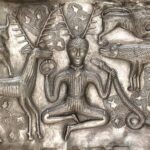 Matunus
In the Gaulish pantheon, Lugus was often depicted as a heroic figure, embodying traits such as bravery, intelligence, and skill. He was frequently associated with the sun, which further solidified his connection to light and life. The Celts believed that Lugus was a protector of the tribe, guiding them in their daily activities and ensuring their prosperity. His attributes made him a central figure in various mythological tales, where he often played the role of a savior or a guide.
Attributes and Symbols
Lugus is known for several key attributes that define his character in Celtic mythology. One of his most notable qualities is his versatility. He is often referred to as a god of many skills, including farming, warfare, and craftsmanship. This versatility made him a revered figure among the Celts, who valued practical skills and knowledge. Additionally, Lugus is associated with the arts and is believed to inspire creativity and innovation among his followers.
Another important symbol linked to Lugus is the spear, which represents his warrior aspect. The spear is a common motif in Celtic mythology, symbolizing strength and protection. Additionally, Lugus is often depicted with a horse, a symbol of nobility and speed. The horse represents not only his warrior prowess but also his ability to traverse the realms of the living and the divine.
Key Symbols of Lugus
- Light: Represents wisdom and enlightenment.
- Spear: Symbolizes strength and protection.
- Horse: Represents nobility and swiftness.
- Arts: Embodies creativity and craftsmanship.
Lugus in Irish Mythology
In Irish mythology, Lugus is often identified with the figure of Lugh, who plays a crucial role in various mythological tales. Lugh is celebrated for his remarkable skills and talents, which make him a hero among the Tuatha Dé Danann, the mythical race of gods and goddesses in Irish lore. His story is intertwined with themes of victory, cunning, and the eternal struggle between light and darkness.
The most famous tale involving Lugh is the Battle of Mag Tuired, where he leads the Tuatha Dé Danann against the Fomorians, a race of monstrous beings. In this epic battle, Lugh’s strategic brilliance and combat skills shine through, ultimately leading his people to victory. This tale underscores the importance of Lugus/Lugh as a protector and a leader, reinforcing his status as a central figure in Irish mythology.
Cults and Worship
The worship of Lugus was prevalent among various Celtic tribes, and his influence extended beyond mere mythology. In ancient times, festivals were held in his honor, where communities would come together to celebrate his attributes. One of the most notable festivals associated with Lugus is Lughnasadh, a harvest festival that marks the beginning of the harvest season. This festival is characterized by feasting, games, and various forms of entertainment, all aimed at honoring Lugus for his contributions to agriculture and prosperity.
During Lughnasadh, people would participate in rituals that involved offerings to Lugus, seeking his blessings for a bountiful harvest. The festival served as a way to reinforce community bonds and celebrate the abundance provided by the land. Additionally, it provided an opportunity for storytelling, where tales of Lugus’s deeds and adventures would be shared, keeping the mythology alive in the hearts and minds of the people.
Legacy of Lugus
The legacy of Lugus continues to resonate in modern times, as many people still celebrate the values he embodies. His association with light and wisdom has made him a symbol of hope and guidance. In contemporary Celtic neopaganism, Lugus is often invoked in rituals and ceremonies, reflecting a revival of interest in ancient traditions. His attributes of versatility and creativity inspire individuals to explore their own talents and skills, encouraging a deeper connection with their heritage.
Moreover, Lugus’s influence can be seen in various cultural expressions, including literature, art, and music. His stories have inspired countless writers and artists, who have sought to capture his essence and significance. By examining the myths surrounding Lugus, one can gain insights into the values and beliefs of the ancient Celts, providing a richer understanding of their culture and worldview.
Lugus in Art and Literature
The portrayal of Lugus in art and literature has evolved over the centuries, reflecting changing perceptions of his character. In ancient artworks, he is often depicted as a youthful warrior, adorned with symbols of his divine attributes. Statues and carvings have been found across regions once inhabited by the Celts, showcasing his significance in their spiritual and cultural life. These artistic representations serve as a testament to the reverence that ancient peoples held for Lugus and his multifaceted nature.
In literature, Lugus appears in various texts that recount the myths and legends of the Celts. His character is often depicted as wise and strategic, embodying the ideal qualities of a leader. These stories not only entertain but also impart moral lessons, emphasizing the importance of courage, intelligence, and the pursuit of knowledge. As literature continues to evolve, the themes associated with Lugus remain relevant, resonating with contemporary audiences.
Notable Works Featuring Lugus
- The Book of Invasions: A collection of tales detailing the arrival of various groups in Ireland, featuring Lugh prominently.
- The Táin Bó Cúailnge: An epic that highlights the heroic qualities of Lugh and his role in battle.
- Modern adaptations: Various contemporary novels and stories that draw inspiration from Lugus’s mythology.
Comparative Mythology
Lugus’s character can be compared to other deities in different mythological traditions, showcasing common themes that resonate across cultures. For instance, he shares similarities with the Roman god Mercury, who is also associated with skill, communication, and commerce. Both figures embody the ideals of wisdom and versatility, emphasizing the importance of knowledge in achieving success.
Additionally, Lugus can be likened to the Greek god Hermes, who is known for his cunning and resourcefulness. Both deities serve as guides, leading individuals through challenges and obstacles. This comparative approach to mythology highlights the universal qualities that various cultures celebrate, emphasizing the interconnectedness of human experience.
The Influence of Lugus Today
In the modern world, Lugus’s influence can be seen in various forms of spirituality and cultural practices. Many people are drawn to the teachings and values associated with him, seeking to incorporate them into their daily lives. The principles of creativity, wisdom, and light that Lugus embodies resonate with those who strive for personal growth and self-discovery.
Additionally, festivals like Lughnasadh continue to be celebrated in some communities, serving as a way to honor the ancient traditions while fostering a sense of belonging. These celebrations often include traditional music, dance, and storytelling, allowing participants to connect with their heritage and the rich tapestry of Celtic mythology. Through these practices, Lugus remains a living presence in the hearts of many, symbolizing the enduring power of myth and tradition.
Conclusion: The Enduring Legacy of Lugus
The legacy of Lugus in Celtic mythology is profound and multifaceted. His attributes of light, wisdom, and craftsmanship continue to inspire individuals across cultures and generations. As a central figure in various myths and tales, Lugus serves as a reminder of the values that the ancient Celts held dear. His influence in art, literature, and contemporary spirituality underscores the timeless nature of his character, ensuring that Lugus remains an enduring symbol of hope, guidance, and creativity.