
In the realm of Celtic mythology, the figure of Matunus stands out as a deity associated with various aspects of life, particularly those linked to agriculture and the natural world. While Matunus may not be as widely recognized as other Celtic gods, his presence in ancient texts and inscriptions offers a glimpse into the beliefs and practices of the Celtic people. This article explores the significance of Matunus, his attributes, and the cultural context in which he was worshiped.
Origins of Matunus
The origins of Matunus can be traced back to the ancient Celtic tribes that inhabited regions of Europe, particularly in what is now modern-day France and parts of the British Isles. Evidence of his worship has been found in various archaeological sites, where inscriptions and artifacts suggest a reverence for this deity among local communities. Matunus is often linked to the Gaulish pantheon, which included a variety of gods and goddesses associated with nature, fertility, and the cycles of life.
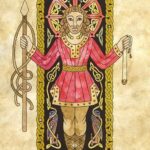 Lugus
LugusOne of the most significant aspects of Matunus is his connection to the land. As a deity representing agriculture, he was believed to oversee the growth of crops and the fertility of the earth. This connection to the agricultural cycle made him an essential figure for communities that relied on farming for their survival. The rituals and offerings made to Matunus often revolved around ensuring a bountiful harvest, reflecting the deep relationship between the Celtic people and their environment.
Attributes of Matunus
Matunus is often depicted with attributes that symbolize his role as a god of fertility and agriculture. These attributes may include sheaves of wheat, fruit, and other symbols of abundance. Such representations highlight the importance of sustenance and the blessings of the earth in Celtic culture. In many ways, Matunus embodies the cycle of life, death, and rebirth that is central to agricultural societies.
In addition to his agricultural significance, Matunus is sometimes associated with other aspects of nature, such as forests and animals. This connection emphasizes the Celtic belief in the interconnectedness of all living things and the importance of maintaining a harmonious relationship with the natural world. The reverence for Matunus reflects a broader understanding of the environment as a source of life and sustenance.
Worship and Rituals
The worship of Matunus involved various rituals and practices aimed at honoring the deity and seeking his blessings. Communities would often gather to perform ceremonies during key agricultural seasons, such as planting and harvesting. These rituals typically included offerings of food, drink, and other tokens of appreciation to invoke Matunus’s favor. Such practices reinforced the community’s reliance on the earth and their gratitude for its gifts.
- Seasonal Festivals: Seasonal festivals dedicated to Matunus were common, marking the changing of the seasons and the agricultural calendar.
- Offerings: Offerings of grain, fruit, and livestock were made to Matunus to ensure a successful harvest.
- Community Gatherings: Local communities would come together to celebrate and perform rituals, strengthening social bonds.
One of the key festivals associated with Matunus was the spring equinox, a time when the earth began to awaken from its winter slumber. During this period, rituals focused on planting and fertility were common. The belief was that by honoring Matunus, they could ensure that the crops would thrive throughout the growing season. This reflects the deep-rooted connection between the Celts and the cycles of nature.
Matunus in Literature and Inscriptions
Matunus is mentioned in various ancient texts and inscriptions, which provide valuable insights into his significance in Celtic mythology. One of the most notable references to Matunus is found in inscriptions dedicated to him, often discovered in Gaul and other Celtic regions. These inscriptions typically express gratitude or invoke blessings, highlighting the deity’s role in the lives of those who worshiped him.
In addition to inscriptions, Matunus appears in some mythological texts that detail the beliefs and practices of the Celtic people. These texts often depict him as a benevolent figure who cares for the land and its inhabitants. His presence in literature serves to reinforce the importance of agricultural deities in Celtic culture and the belief in their power to influence the natural world.
Symbolism and Cultural Significance
The symbolism associated with Matunus extends beyond agriculture and fertility. He embodies the interconnectedness of life, representing not only the growth of crops but also the balance of nature. In Celtic mythology, gods and goddesses often personified natural elements, and Matunus serves as a reminder of the vital role that the earth plays in sustaining life. This understanding of nature as sacred is a central tenet of Celtic spirituality.
Moreover, the cultural significance of Matunus can be seen in the way communities interacted with their environment. The reverence for this deity encouraged sustainable practices, as the Celts recognized the importance of caring for the land to ensure its continued productivity. This relationship between the people and their environment reflects a broader worldview that emphasizes harmony and balance.
Modern Interpretations of Matunus
In contemporary times, the figure of Matunus has seen a resurgence in interest among those who study Celtic spirituality and mythology. Modern practitioners often draw inspiration from ancient practices, seeking to reconnect with the land and its cycles. This revival of interest highlights the enduring legacy of Celtic beliefs and the relevance of figures like Matunus in today’s world.
Many modern celebrations and rituals echo the ancient practices associated with Matunus, incorporating elements of nature and agriculture. These contemporary interpretations often emphasize sustainability and the importance of living in harmony with the earth. By honoring Matunus and other Celtic deities, practitioners aim to foster a deeper connection with nature and promote environmental stewardship.
Matunus and Other Celtic Deities
Matunus is part of a broader pantheon of Celtic deities, many of whom share similar attributes and domains. In the realm of agriculture, he is often compared to other gods such as Cernunnos and Danu. Cernunnos, often depicted as the horned god, represents the wild aspects of nature, while Danu is associated with fertility and the earth. Together, these deities illustrate the multifaceted nature of Celtic spirituality.
The relationships between these deities reflect the complex beliefs of the Celtic people, who understood the natural world as a dynamic and interconnected system. Each deity played a unique role, contributing to the overall balance of life. Matunus, with his focus on agriculture and fertility, complements the attributes of other gods and goddesses, showcasing the rich tapestry of Celtic mythology.
Matunus serves as a reminder of the deep connections between the Celtic people and their environment. Through his worship and the rituals associated with him, the Celts expressed their gratitude for the earth’s bounty and their understanding of the cycles of life. Today, as interest in Celtic mythology continues to grow, the legacy of Matunus and other deities remains relevant, inspiring individuals to honor and protect the natural world.