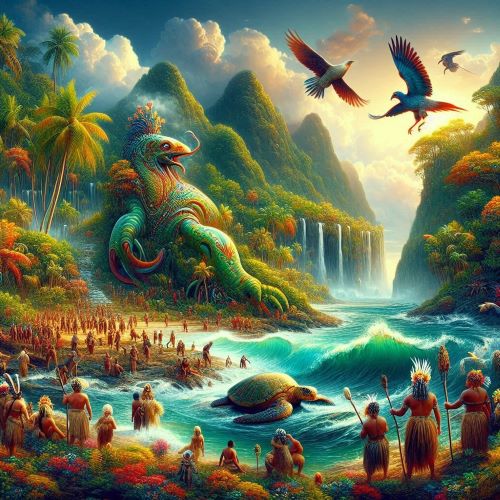
In the realm of Melanesian mythology, various deities and spirits play crucial roles in shaping the cultural narratives and beliefs of the people. One of the most fascinating figures in this mythology is Jugumishanta. This character is not only central to many stories but also represents significant themes such as creation, life, and the connection between humans and the spiritual world. Understanding Jugumishanta requires delving into the rich tapestry of Melanesian beliefs, where the natural and supernatural worlds intertwine.
Origins of Jugumishanta
The origins of Jugumishanta can be traced back to the early oral traditions of Melanesian societies. According to various stories, Jugumishanta is often depicted as a creator deity who shaped the earth and its inhabitants. These tales are passed down through generations, evolving with each retelling. They highlight the importance of storytelling in preserving cultural identity and imparting moral lessons.
 Jari
JariIn some accounts, Jugumishanta is described as emerging from the depths of the ocean, bringing forth life onto the land. This imagery emphasizes the connection between the sea and the land, a theme prevalent in many Melanesian myths. The ocean is seen not just as a physical barrier but as a source of life and spiritual significance. Jugumishanta’s emergence symbolizes the birth of the world, illustrating the belief that all life originates from the sea.
The Role of Jugumishanta in Creation
Jugumishanta’s role in creation extends beyond merely bringing life to the earth. In many stories, Jugumishanta is depicted as shaping the landscapes, creating mountains, rivers, and forests. This act of creation signifies the deep respect that Melanesian cultures have for nature and its elements. The physical world is viewed as a reflection of the divine, with each feature of the landscape holding spiritual significance.
- Mountains: Often seen as sacred, representing strength and stability.
- Rivers: Viewed as lifelines that connect communities and provide sustenance.
- Forests: Considered as places of mystery, home to spirits and deities.
Moreover, Jugumishanta is often associated with the creation of the first humans. These stories typically describe how Jugumishanta molded the first people from the earth, breathing life into them. This act signifies the close relationship between humans and the earth, reinforcing the idea that humans are not separate from nature but an integral part of it. The stories serve as a reminder of the responsibility humans have towards the environment.
 Honoyeta
Symbolism and Attributes of Jugumishanta
Jugumishanta embodies various attributes that symbolize different aspects of life and nature. Often portrayed as a powerful figure, Jugumishanta is associated with strength and wisdom. These traits reflect the qualities that the Melanesian people admire and aspire to embody in their own lives. The stories of Jugumishanta often serve as moral lessons, illustrating the importance of using strength wisely and making decisions that benefit the community.
Additionally, Jugumishanta is frequently depicted with elements that symbolize fertility and growth. For instance, in some myths, Jugumishanta carries a staff adorned with leaves and flowers, representing the life force and the cycle of growth. This imagery highlights the belief in the interconnectedness of all living things and the importance of nurturing the environment. The presence of nature in Jugumishanta’s symbolism reinforces the idea that humans must live in harmony with the world around them.
 Hana
HanaJugumishanta in Rituals and Ceremonies
The influence of Jugumishanta extends beyond mythology into the daily lives of the Melanesian people, particularly in their rituals and ceremonies. Many communities honor Jugumishanta through various forms of worship, including offerings and celebrations. These rituals are not only acts of devotion but also serve to strengthen community bonds and cultural identity.
- Offerings: Communities may present food, flowers, or crafted items to honor Jugumishanta.
- Festivals: Celebrations that include music, dance, and storytelling about Jugumishanta’s deeds.
- Rites of Passage: Significant life events often incorporate elements that pay homage to Jugumishanta.
During these ceremonies, the stories of Jugumishanta are recounted, reminding participants of their cultural heritage and the values they hold dear. The act of storytelling during rituals serves to educate younger generations about their history and the importance of respecting the natural world. Such practices reinforce the belief that Jugumishanta is not just a distant deity but an active presence in their lives.
Comparative Mythology: Jugumishanta and Other Deities
When exploring the figure of Jugumishanta, it is intriguing to compare this deity with other mythological figures from different cultures. In many ways, Jugumishanta shares similarities with creation deities found in various mythologies around the world. For instance, in Polynesian mythology, the god Tangaroa is also associated with the sea and creation, highlighting the universal theme of water as a source of life.
Additionally, Jugumishanta’s role in shaping the earth can be likened to figures like Gaia from Greek mythology, who personifies the earth itself. Both Jugumishanta and Gaia represent the idea that the earth is a living entity, deserving of respect and care. These parallels suggest that while cultures may differ, many share common themes in their understanding of creation and the natural world.
Modern Interpretations of Jugumishanta
In contemporary times, the figure of Jugumishanta continues to inspire artists, writers, and cultural activists. Many seek to reinterpret the stories of Jugumishanta in ways that resonate with modern audiences while preserving the essence of the original myths. This process of reinterpretation allows for the continuation of cultural narratives in a rapidly changing world.
- Literature: Modern authors incorporate Jugumishanta into novels and poems, exploring themes of identity and belonging.
- Art: Visual artists create works that reflect the stories and symbolism associated with Jugumishanta.
- Education: Cultural programs aim to teach younger generations about Jugumishanta and Melanesian mythology.
These modern interpretations serve not only to keep the stories alive but also to engage new audiences with the rich cultural heritage of Melanesia. By connecting Jugumishanta to contemporary issues, such as environmental conservation and social justice, these reinterpretations highlight the relevance of ancient myths in today’s world.
The Impact of Jugumishanta on Melanesian Culture
Jugumishanta’s influence extends deeply into the fabric of Melanesian culture. From the arts to social practices, the stories and attributes associated with Jugumishanta shape community values and individual behaviors. The teachings derived from Jugumishanta’s stories often emphasize the importance of community, respect for nature, and the interconnectedness of all life.
In many Melanesian societies, the stories of Jugumishanta are not merely tales but serve as guiding principles for ethical living. The emphasis on community welfare and environmental stewardship reflects a worldview that prioritizes harmony between people and the natural world. This cultural perspective is crucial, especially in an era where environmental issues are becoming increasingly pressing.
Jugumishanta and Environmental Stewardship
The connection between Jugumishanta and the environment is particularly significant in discussions about sustainability and conservation. The stories of Jugumishanta often highlight the importance of living in harmony with nature, a message that resonates strongly in today’s context of environmental degradation. Many Melanesian communities look to Jugumishanta as a source of inspiration for their efforts to protect their lands and resources.
- Traditional Practices: Many communities engage in sustainable farming and fishing practices, guided by the teachings of Jugumishanta.
- Conservation Efforts: Initiatives to protect natural habitats often invoke the spirit of Jugumishanta as a guiding force.
- Education Programs: Environmental education that incorporates stories of Jugumishanta fosters a sense of responsibility towards nature.
This emphasis on environmental stewardship reflects a broader understanding that caring for the earth is not only a moral obligation but also a cultural imperative. By invoking Jugumishanta in their conservation efforts, communities reaffirm their connection to their heritage and the natural world.
Challenges and Preservation of Jugumishanta’s Legacy
Despite the rich legacy of Jugumishanta, challenges remain in preserving this aspect of Melanesian mythology. Globalization, urbanization, and the influence of modern technology have led to shifts in cultural practices and beliefs. As younger generations become more exposed to different cultures, there is a risk that traditional stories, including those of Jugumishanta, may be forgotten or diluted.
However, efforts are underway to preserve and revitalize the stories and teachings associated with Jugumishanta. Cultural organizations and community leaders are actively working to ensure that these narratives are passed down to future generations. This involves not only storytelling but also incorporating these myths into education and community events, thereby keeping the spirit of Jugumishanta alive.
Community Initiatives for Preservation
Many communities are implementing initiatives aimed at preserving the legacy of Jugumishanta. These efforts include the following:
- Storytelling Festivals: Events that celebrate oral traditions and invite elders to share stories of Jugumishanta.
- Cultural Workshops: Workshops that teach traditional crafts and practices associated with Jugumishanta’s teachings.
- Collaborations with Schools: Educational programs that integrate Melanesian mythology into school curricula.
These initiatives not only foster a sense of pride in cultural heritage but also encourage community engagement and participation. By actively involving the younger generation in these efforts, communities can ensure that the stories of Jugumishanta remain vibrant and relevant.
The Future of Jugumishanta in Melanesian Society
As Melanesian societies continue to evolve, the future of Jugumishanta remains intertwined with the cultural identity of the people. The resilience of these stories in the face of change demonstrates the enduring significance of Jugumishanta as a cultural symbol. While challenges exist, the commitment to preserving this legacy reflects a deep-seated respect for tradition and the wisdom it imparts.
In a rapidly changing world, the teachings of Jugumishanta offer valuable lessons about sustainability, community, and respect for the environment. These themes are not only relevant to Melanesian societies but resonate globally as communities grapple with the challenges of modernity. The ongoing exploration of Jugumishanta’s stories will likely continue to inspire future generations to embrace their heritage while navigating the complexities of contemporary life.