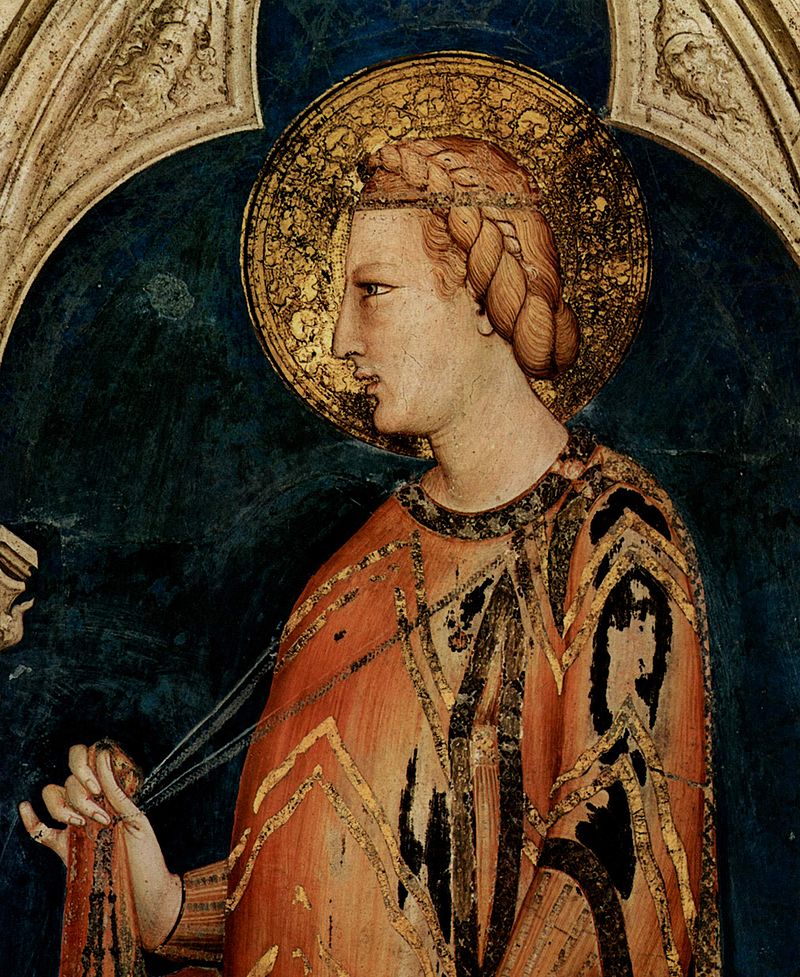
St. Elizabeth is a significant figure in Christian mythology, particularly within the context of the New Testament. She is known primarily as the mother of John the Baptist and the wife of Zechariah, a priest of the division of Abijah. Her story is rich with themes of faith, divine intervention, and the joy of motherhood. The life of St. Elizabeth is not only a testament to her personal virtues but also an essential part of the broader narrative of the birth of Jesus Christ. Her role is often overshadowed by more prominent figures, yet her story is filled with profound meaning and inspiration.
The Life of St. Elizabeth
St. Elizabeth lived during a time of great uncertainty and waiting for the Jewish people. Her life is described in the Gospel of Luke, which presents her as a woman of great faith and righteousness. Despite her virtues, Elizabeth faced a significant challenge: she was barren. In Jewish culture, being childless was often seen as a source of shame, and Elizabeth felt the weight of this societal expectation. However, her unwavering faith in God’s plan is evident throughout her story. She and her husband Zechariah prayed earnestly for a child, demonstrating their deep commitment to their faith and each other.
 St. Eleutherius Of Tournai
As Elizabeth aged, the hope for a child seemed to diminish. However, God had other plans. The angel Gabriel appeared to Zechariah while he was serving in the temple, announcing that Elizabeth would bear a son. This miraculous event highlights the theme of divine intervention in Elizabeth’s life. The angel reassured Zechariah that their son would be great in the sight of the Lord, destined to prepare the way for the Messiah. This moment marks a significant turning point in Elizabeth’s life, transforming her deep sorrow into joyous anticipation.
The Birth of John the Baptist
The birth of John the Baptist is a pivotal moment in both Elizabeth’s life and the Christian narrative. When Elizabeth finally gave birth, she experienced immense joy and fulfillment. The circumstances surrounding John’s birth were miraculous, and Elizabeth’s faith was rewarded in a profound way. The name given to the child, John, was significant because it meant “God is gracious.” This name choice, made in accordance with the angel’s instructions, further emphasizes Elizabeth’s obedience and faith in God’s will. Her story encourages believers to trust in God’s timing, even when circumstances seem bleak.
 St. Eleutherius
During Elizabeth’s pregnancy, she experienced another miraculous event. When Mary, the mother of Jesus, visited her, the baby in Elizabeth’s womb leaped for joy. This moment is often celebrated as a profound recognition of the presence of Christ even before his birth. Elizabeth, filled with the Holy Spirit, proclaimed Mary as the mother of her Lord, highlighting her role in the divine plan. This encounter between the two women is a beautiful testament to the connections and shared experiences among women, especially in the context of motherhood and faith.
The Character of St. Elizabeth
St. Elizabeth is often celebrated for her virtues, which include faithfulness, humility, and compassion. Her faith in God was unwavering, even in the face of personal challenges. She exemplified a deep trust in God’s promises, which serves as an inspiration for many. Elizabeth’s humility is evident in her response to the miraculous news of her pregnancy. Instead of seeking glory for herself, she recognized the significance of her son’s role in God’s plan and embraced her calling with grace.
Moreover, Elizabeth’s character is marked by her compassion and support for others. Her welcoming of Mary during a time of need illustrates her nurturing spirit. In many ways, she serves as a model for Christian women, demonstrating how to balance faith with the challenges of life. Her life story is not only about personal triumph but also about the importance of community and support among believers. Elizabeth’s interactions with Mary highlight the importance of relationships in faith and the joy that comes from shared experiences.
 St. Edward The Martyr
The Legacy of St. Elizabeth
The legacy of St. Elizabeth extends beyond her immediate family. She is often venerated in Christian traditions, particularly in the Catholic and Orthodox churches. Her story is celebrated in various feasts and liturgical commemorations. The impact of her life can be seen in the way she is portrayed as a model of faith and perseverance. Elizabeth’s experience of waiting and longing resonates with many believers, reminding them that God’s timing is perfect.
In addition to her personal legacy, St. Elizabeth is also recognized for her role in the broader narrative of salvation history. As the mother of John the Baptist, she played a crucial part in preparing the way for Jesus Christ. This connection emphasizes the importance of her story within the context of Christian mythology. Elizabeth’s faith and obedience set the stage for the transformative events that would follow, illustrating how one person’s faith can have far-reaching implications.
St. Elizabeth in Art and Culture
St. Elizabeth has been a subject of fascination in art and culture throughout the centuries. Many artists have depicted her in various forms, showcasing her virtues and significant moments in her life. From paintings to sculptures, the representations of Elizabeth often highlight her maternal qualities and her relationship with Mary. These artistic expressions serve to inspire and educate viewers about her role in the Christian narrative.
In addition to visual arts, St. Elizabeth has also found her place in literature and music. Many hymns and prayers are dedicated to her, celebrating her faith and the miraculous nature of her story. These works contribute to the ongoing veneration of Elizabeth and keep her memory alive in the hearts of believers. The cultural representations of St. Elizabeth serve as a reminder of the enduring impact of her life and the universal themes of faith, hope, and love.
St. Elizabeth’s Influence on Christian Communities
The influence of St. Elizabeth can be seen in various Christian communities around the world. Many churches and organizations bear her name, reflecting her significance in the faith. Her story is often shared in sermons and teachings, emphasizing the importance of faithfulness and trust in God’s plan. Elizabeth’s life serves as a source of encouragement for those facing challenges, reminding them that they are not alone in their struggles.
Moreover, St. Elizabeth is frequently invoked in prayers for women who are expecting children or facing infertility. Her story offers hope and comfort to those who seek to conceive, providing a powerful example of faith in the face of adversity. The communal aspect of her legacy is evident in the way her story brings people together, fostering a sense of solidarity among believers. Elizabeth’s life continues to inspire various initiatives focused on women’s health and well-being, highlighting her enduring relevance in contemporary society.
Reflections on St. Elizabeth’s Faith
St. Elizabeth’s faith is a central theme in her story, and it invites believers to reflect on their own faith journeys. Her unwavering trust in God, even during difficult times, serves as a powerful reminder of the importance of faith in everyday life. Elizabeth’s experience encourages individuals to seek God in moments of uncertainty, trusting that He has a plan for their lives. This aspect of her story resonates deeply with many, inspiring them to cultivate a stronger relationship with God.
Furthermore, Elizabeth’s humility in acknowledging her role in God’s plan is a lesson for all believers. She did not seek recognition or fame; instead, she embraced her calling with grace and dignity. This humility is a vital component of a faithful life, reminding believers to remain grounded and focused on serving others. Elizabeth’s example encourages individuals to live out their faith in practical ways, demonstrating love and compassion in their communities.
Celebrating St. Elizabeth Today
Today, St. Elizabeth is celebrated in various ways across different Christian traditions. Her feast day is observed on November 5th in the Western Church and on September 5th in the Eastern Church. Many communities hold special services, prayers, and gatherings to honor her memory and reflect on her life. These celebrations provide an opportunity for believers to come together in faith, sharing stories and experiences that echo the themes of Elizabeth’s life.
In addition to formal celebrations, many individuals find personal ways to honor St. Elizabeth. This may include prayers, acts of kindness, or reflections on her virtues. The legacy of St. Elizabeth continues to inspire believers to live out their faith authentically, encouraging them to seek God’s presence in their lives. Her story remains a powerful testament to the impact of faith, love, and community, resonating with people of all backgrounds and experiences.