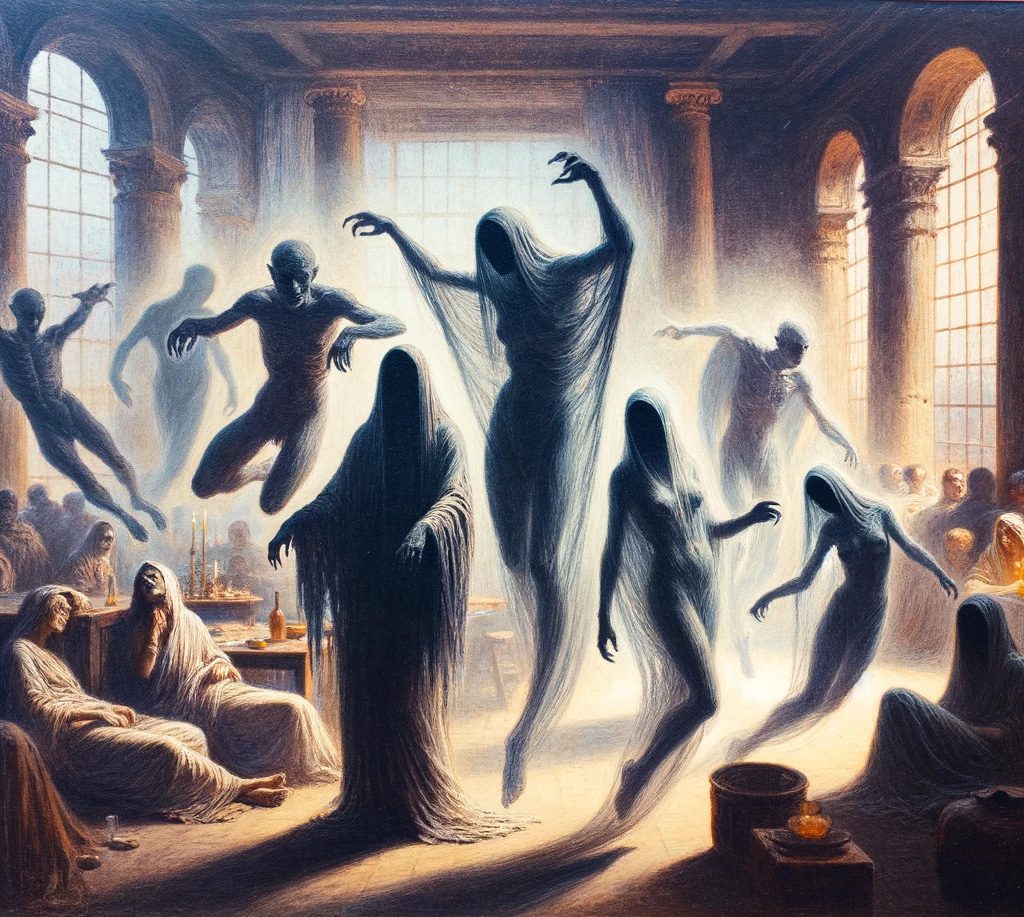
Lemures are fascinating figures from Roman mythology, often associated with the spirits of the dead. In ancient Rome, they were believed to be the restless souls of the deceased who had not received proper burial rites or offerings. The Romans thought that these spirits could cause harm or mischief if they were not appeased. As a result, they developed various rituals and traditions to honor these spirits, ensuring that they would find peace and not return to haunt the living.
The Origins of Lemures
The concept of Lemures has roots in early Roman beliefs about the afterlife and the treatment of the dead. Romans believed that the soul continued to exist after death and that it could linger on Earth if it was not properly honored. This belief led to the idea of Lemures, which were thought to be the angry spirits of those who died without the necessary rites. These spirits were considered to be dangerous and capable of bringing misfortune to the living.
 Liber
LiberIn ancient texts, Lemures are often mentioned alongside other spirits such as Manes, which were the benevolent spirits of the dead. The distinction between Lemures and Manes was significant in Roman culture, as it influenced how people approached funerary practices. While the Manes were honored and remembered with love, the Lemures required appeasement to prevent them from causing harm.
The Rituals for Lemures
The Romans established specific rituals to deal with Lemures, especially during the festival known as the Lemuria, which took place in May. This festival was dedicated to the appeasement of the Lemures and involved a series of rites performed by the head of the household. The rituals were intended to cleanse the home of any restless spirits and to ensure that the deceased were properly honored.
Key Elements of the Lemuria Festival
- Waking at Midnight: The head of the household would rise at midnight to perform the rituals.
- Offering Beans: Beans were thrown around the house as a way to symbolize the offering to the spirits.
- Reciting Prayers: Specific prayers were recited to call upon the Lemures and ask for their forgiveness.
- Ritual Cleansing: The household was cleansed with water to remove any lingering spirits.
During the festival, the head of the household would call upon the spirits by name, offering them beans as a form of appeasement. The act of throwing beans was symbolic, as beans were believed to be a source of life. This gesture was meant to demonstrate respect and to encourage the spirits to move on to the afterlife peacefully.
 Libera
Additionally, the recitation of prayers played a vital role in the rituals. The Romans believed that the words spoken during these prayers could influence the spirits and help to calm any anger they might feel. This aspect of the rituals highlights the deep connection the Romans had with their beliefs about the afterlife and the importance of proper conduct in dealing with the spirits of the dead.
The Significance of Lemures in Roman Culture
Lemures held a significant place in Roman culture, reflecting the society’s views on death and the afterlife. The fear of the dead returning to cause harm was prevalent, leading to a strong emphasis on honoring and remembering the deceased. The rituals associated with Lemures were not just about appeasing spirits; they also served as a way for the living to confront their own mortality and the inevitability of death.
Moreover, the Lemuria festival provided an opportunity for families to come together and reflect on their ancestors. By participating in these rituals, they could strengthen family bonds and ensure that their loved ones were not forgotten. The act of honoring the dead was a way to maintain a connection with them, allowing their memories to live on in the hearts of the living.
 Libitina
Lemures in Literature and Art
Lemures have also been depicted in various forms of Roman literature and art. Poets like Ovid and Virgil mentioned these spirits in their works, illustrating the cultural significance of Lemures in Roman society. These literary references not only served to entertain but also to educate the populace about the beliefs and rituals associated with the dead.
In art, Lemures were often represented in a more abstract manner, symbolizing the fear and respect that Romans had for the dead. Statues and reliefs sometimes depicted scenes of rituals performed to honor the Lemures, emphasizing the importance of these practices in maintaining a harmonious relationship between the living and the dead. The portrayal of Lemures in art served as a reminder of the delicate balance between life and death.
Comparisons with Other Cultures
The concept of restless spirits is not unique to Roman mythology; many cultures around the world have similar beliefs. For instance, in Greek mythology, the idea of spirits returning to the living is prevalent, with figures like Hades ruling over the underworld. Like the Romans, the Greeks also held rituals to honor the dead and prevent them from causing harm.
In other cultures, such as those in Asian traditions, the spirits of ancestors are revered, and there are specific festivals dedicated to honoring them. The Chinese celebrate the Qingming Festival, where families visit graves and offer food and incense to their ancestors. This practice shares similarities with the Roman Lemuria, as both cultures emphasize the importance of remembering and honoring the dead.
Modern Interpretations of Lemures
Today, the concept of Lemures continues to intrigue people, and many modern interpretations can be found in literature, film, and popular culture. The idea of restless spirits seeking resolution resonates with contemporary audiences, leading to the portrayal of similar themes in horror stories and movies. These modern interpretations often draw inspiration from the ancient Roman beliefs about the dead, showcasing the lasting impact of these myths.
Furthermore, the rituals associated with Lemures can be seen in various forms of cultural practices today. Many societies still engage in rituals to honor their ancestors, reflecting the timeless nature of these beliefs. The connection between the living and the dead remains a powerful theme, highlighting the universal human experience of dealing with loss and remembrance.
The Legacy of Lemures
The legacy of Lemures is a testament to the rich tapestry of Roman mythology and the profound impact it has had on subsequent cultures. The rituals and beliefs surrounding Lemures have influenced how people approach death and the afterlife, fostering a sense of respect and reverence for those who have passed on. As societies evolve, the core ideas surrounding the treatment of the dead continue to endure, reminding us of the importance of honoring our ancestors.
Lemures represent a significant aspect of Roman mythology, reflecting the society’s beliefs about the afterlife and the treatment of the deceased. Through rituals, literature, and art, the Romans sought to navigate the complexities of death, ensuring that their loved ones were remembered and respected. The enduring legacy of Lemures serves as a reminder of our shared humanity and the universal need to honor those who have come before us.