
Jabmiakka is a significant figure in Sámi mythology, embodying various aspects of nature and spirituality. The Sámi people, indigenous to the northern parts of Norway, Sweden, Finland, and Russia, have a rich cultural heritage that includes a complex pantheon of deities and spirits. Jabmiakka is often associated with the elements of the earth, particularly water, and is revered for the influence this figure has on both natural phenomena and human life.
The Role of Jabmiakka in Sámi Culture
In Sámi culture, Jabmiakka is not merely a deity but also a symbol of the deep connection that the Sámi have with their environment. The Sámi people have traditionally relied on nature for their livelihood, and Jabmiakka represents the spiritual forces that govern the natural world. This connection is reflected in their practices, rituals, and storytelling, where Jabmiakka often plays a central role. The Sámi view Jabmiakka as a guardian of the land and waters, ensuring the balance between humanity and nature.
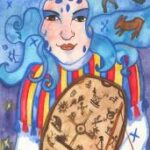 Biegga-olmai
Jabmiakka’s presence is often invoked during important community events, such as fishing expeditions or when engaging in traditional reindeer herding. The Sámi believe that by honoring Jabmiakka, they can secure a successful hunt or a bountiful catch. This reverence for Jabmiakka showcases the Sámi’s understanding of the interconnectedness of all living things and their dependence on the environment for survival.
Mythological Stories Involving Jabmiakka
Many myths feature Jabmiakka, illustrating the character’s significance in Sámi storytelling. One popular tale describes how Jabmiakka created the first rivers and lakes. According to the legend, Jabmiakka molded the land with gentle hands, shaping valleys and carving out waterways that would sustain life. This creation myth emphasizes the importance of water as a life-giving force and illustrates Jabmiakka’s role as a nurturing figure.
 Uksakka
Another notable story tells of Jabmiakka’s interactions with humans. In this tale, a group of Sámi fishermen finds themselves struggling to catch enough fish for their families. In their desperation, they decide to seek Jabmiakka’s help. They offer gifts and perform rituals to honor the deity, and in return, Jabmiakka blesses them with an abundant catch. This story not only highlights Jabmiakka’s generosity but also reinforces the idea that respect and gratitude towards nature can yield positive outcomes.
The Symbolism of Jabmiakka
Jabmiakka is rich in symbolism, representing various elements that are crucial to the Sámi way of life. Water, as a primary element associated with Jabmiakka, symbolizes life, purity, and transformation. It is seen as a source of sustenance and a vital part of the ecosystem. The Sámi believe that Jabmiakka’s waters are not just physical entities but also spiritual ones that connect the earthly realm to the divine.
Moreover, Jabmiakka embodies the concept of balance in nature. The Sámi people understand that every action has a reaction, and Jabmiakka serves as a reminder of this delicate equilibrium. This symbolism encourages the Sámi to live harmoniously with their surroundings, respecting the land and its resources. The notion of balance is crucial in Sámi traditions, influencing their hunting practices, seasonal celebrations, and even their social structures.
 Tiermes
Rituals and Offerings to Jabmiakka
The Sámi people perform various rituals and offerings to honor Jabmiakka. These ceremonies often take place near water bodies, such as rivers or lakes, where the presence of Jabmiakka is believed to be strongest. Offerings may include traditional foods, handcrafted items, or symbolic gifts that reflect the community’s gratitude and respect. By making these offerings, the Sámi seek to strengthen their relationship with Jabmiakka and ensure continued blessings.
One common ritual involves the creation of small altars by the water’s edge. The Sámi decorate these altars with natural elements such as stones, flowers, and branches. This act serves as a physical representation of their connection to Jabmiakka and the natural world. The community often gathers for these rituals, fostering a sense of unity and shared purpose. Through collective participation, the Sámi reinforce their cultural identity and the importance of Jabmiakka in their lives.
Jabmiakka in Modern Sámi Society
In contemporary Sámi society, Jabmiakka continues to hold significance, although the ways in which the Sámi engage with this figure may have evolved. Many Sámi people strive to maintain their cultural heritage, and Jabmiakka remains a part of their spiritual practices. This connection is especially evident during traditional festivals and cultural events, where stories of Jabmiakka are shared, and rituals are performed to honor the deity.
Additionally, the resurgence of interest in indigenous cultures has led to a renewed appreciation for figures like Jabmiakka. Many Sámi youth are exploring their roots and learning about their ancestors’ beliefs and practices. This exploration often includes a focus on environmental stewardship, reflecting Jabmiakka’s teachings about the importance of living in harmony with nature. By embracing these values, the Sámi are not only preserving their heritage but also advocating for a sustainable future.
Jabmiakka and Environmental Awareness
Jabmiakka’s teachings resonate strongly with contemporary issues of environmental awareness and conservation. The Sámi people have long recognized the importance of protecting their natural surroundings, and Jabmiakka serves as a powerful symbol of this commitment. The stories and rituals associated with Jabmiakka emphasize the need for respect towards the earth and its resources, making it clear that sustainability is essential for the survival of both the land and its people.
As climate change and environmental degradation threaten traditional ways of life, the Sámi community often looks to Jabmiakka for guidance. Many Sámi activists draw upon the wisdom embedded in their mythology to advocate for the protection of their lands and waters. By invoking Jabmiakka’s name, they remind others of the interconnectedness of all life and the importance of preserving the natural world for future generations.
The Influence of Jabmiakka on Sámi Art and Literature
Jabmiakka’s influence extends beyond spirituality and rituals; it also permeates Sámi art and literature. Many artists and writers draw inspiration from the myths and symbolism associated with Jabmiakka, creating works that reflect the beauty and complexity of Sámi culture. These artistic expressions often incorporate elements of nature, illustrating the deep bond between the Sámi people and their environment.
In literature, Jabmiakka frequently appears as a character in stories that explore themes of nature, identity, and spirituality. Writers use Jabmiakka to convey messages about the importance of living in harmony with the earth and respecting the traditions of the Sámi people. Through poetry, storytelling, and visual arts, Jabmiakka serves as a powerful reminder of the enduring connection between culture and nature.
Jabmiakka in Sámi Music and Dance
Music and dance are integral parts of Sámi culture, and Jabmiakka often finds expression in these art forms. Traditional Sámi music, known as joik, is a unique vocal style that conveys emotions and stories. Many joiks are dedicated to Jabmiakka, celebrating the deity’s connection to nature and the Sámi way of life. These songs serve not only as artistic expressions but also as a means of preserving cultural heritage.
Dance is another way in which Jabmiakka is honored within Sámi culture. Traditional Sámi dances often incorporate movements that mimic the natural world, reflecting the rhythms of the earth and water. During community gatherings and celebrations, dancers may perform in honor of Jabmiakka, showcasing their appreciation for the deity’s role in their lives. This combination of music and dance creates a vibrant cultural expression that reinforces the connection between the Sámi people and their spiritual beliefs.
The Future of Jabmiakka in Sámi Mythology
The future of Jabmiakka in Sámi mythology remains bright, as the Sámi people continue to embrace their cultural heritage. Efforts to revitalize Sámi traditions and educate younger generations about their history and beliefs ensure that figures like Jabmiakka will not be forgotten. As the world becomes increasingly aware of the importance of indigenous knowledge and practices, Jabmiakka’s teachings about nature and balance will likely resonate even more.
In addition, the global movement towards sustainability and environmental awareness aligns closely with the values embodied by Jabmiakka. As more people recognize the need to protect the earth, the wisdom of Sámi mythology can provide valuable insights into how to live harmoniously with nature. Jabmiakka’s enduring legacy will continue to inspire individuals and communities to advocate for a sustainable future, rooted in respect for the land and its resources.
Conclusion: Embracing Jabmiakka’s Legacy
Jabmiakka is a central figure in Sámi mythology, representing the deep connection between the Sámi people and their environment. Through stories, rituals, and artistic expressions, Jabmiakka embodies the values of respect, balance, and sustainability. As the Sámi community continues to navigate the challenges of modern life, the teachings of Jabmiakka will remain a guiding force, reminding them of the importance of preserving their cultural heritage and protecting the natural world for future generations.