
Kama is a significant figure in Hindu mythology, often regarded as the god of love, desire, and attraction. His influence extends beyond mere romantic love, encompassing the fundamental human emotions that drive individuals towards one another. In various texts, Kama is depicted as a youthful and handsome figure, armed with a bow and arrows made of flowers. His primary role is to incite love and desire in the hearts of beings, which is essential for the continuation of life and the universe itself. This article explores the various aspects of Kama, including his origins, symbolism, and his interactions with other deities.
Origins of Kama
The origins of Kama can be traced back to ancient Hindu texts, particularly the Mahabharata and the Ramayana. According to mythology, Kama was born from the flames of the Hindu god of creation, Brahma, or, in some accounts, he is said to be the son of Lord Vishnu and Lakshmi. His birth signifies the importance of love and desire in the cosmos. In these texts, he is often associated with the concept of Shakti, or divine feminine energy, which emphasizes the balance between male and female forces in the universe.
 Kalki
KalkiOne popular legend describes how Kama played a crucial role in the birth of Lord Krishna. When Lord Vishnu took the form of Krishna, he needed to defeat the demon king Kansa. To accomplish this, Kama shot his love arrows at Krishna’s parents, igniting their desire for each other and ultimately leading to Krishna’s conception. This story highlights Kama’s role as a catalyst for life and creation, showing how essential desire is for the continuation of existence.
Symbolism of Kama
Kama is not just a deity of romantic love; he represents a wide range of desires and passions that drive human behavior. His bow and arrows are significant symbols. The bow represents the strength of love, while the arrows symbolize the various forms of desire that can strike individuals unexpectedly. Each arrow has a different effect, targeting different emotions such as passion, affection, and longing. This symbolism illustrates the complexity of love and how it can influence people in various ways.
In Hindu philosophy, the pursuit of desire is one of the four purusharthas, or goals of human life. These goals include dharma (duty), artha (prosperity), kama (desire), and moksha (liberation). Kama, as the embodiment of desire, plays a crucial role in ensuring that individuals pursue happiness and fulfillment in their lives. However, it is essential to balance desire with the other three goals to lead a harmonious life. This balance is often a central theme in Hindu teachings, emphasizing the importance of moderation in all pursuits.
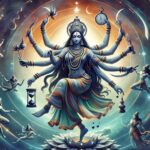 Kali
KaliKama’s Interactions with Other Deities
Kama’s interactions with other deities are significant in understanding his role in Hindu mythology. One of the most notable stories involves his encounter with Shiva. In this tale, Kama attempts to awaken Shiva’s love for Parvati, as Shiva was in deep meditation and unaware of her presence. Kama shot his love arrows at Shiva, which momentarily disturbed the god’s meditation. In response, Shiva opened his third eye in anger, incinerating Kama. This event illustrates the complex relationship between love and spirituality. While love is essential for life, it can also lead to destruction if not approached with respect and understanding.
Despite his death, Kama’s essence did not disappear. In some accounts, he is resurrected by Parvati and is allowed to return to the world as the god of love. This resurrection signifies the eternal nature of love and desire, showing that they can never truly be extinguished. This story highlights the idea that love, even when faced with challenges or destruction, can always find a way to prevail.
 Kâlanemi
Kama in Art and Literature
Kama has been a popular subject in various forms of art and literature throughout history. His depictions in sculptures, paintings, and literature often emphasize his youthful beauty and the allure of love. In many artistic representations, Kama is shown with a bow and a quiver full of floral arrows, surrounded by symbols of love and beauty. These artworks serve to celebrate the concept of love in all its forms, from romantic relationships to the love between friends and family.
In literature, Kama is often portrayed as a charming and playful character who brings joy and happiness to the lives of mortals. He appears in various poems and stories, emphasizing the importance of love in human experience. For example, many classical Sanskrit texts reference Kama’s influence in romantic relationships, illustrating how love can lead to profound connections between individuals. His presence in these works highlights the significance of love in shaping human destiny.
The Festival of Holi and Kama
The festival of Holi, celebrated in India and among Hindu communities worldwide, is closely associated with Kama. Holi, known as the festival of colors, marks the arrival of spring and the victory of good over evil. It is a time when people come together to celebrate love, friendship, and the joy of life. One of the legends surrounding Holi involves the burning of Holika, the sister of the demon king Hiranyakashipu, who tried to harm her nephew Prahlad. This event symbolizes the triumph of devotion and love over hatred.
During Holi, people throw colored powders and water at each other, symbolizing the playful and joyous nature of love. The festival is a celebration of the arrival of spring and the renewal of life, aligning with Kama’s role as the god of love. In this way, Holi serves as a reminder of the importance of love and connection in our lives. It encourages individuals to embrace their desires and celebrate the bonds they share with others.
Kama in Modern Culture
In modern culture, the influence of Kama continues to be felt. His name is often used in literature, movies, and music to evoke themes of love and desire. Many contemporary artists draw inspiration from the stories and symbolism associated with Kama, creating works that explore the complexities of love in today’s world. The idea of love as a powerful force that can inspire and transform individuals remains a central theme in various artistic expressions.
Furthermore, Kama’s representation in modern media often reflects changing societal views on love and relationships. As cultures evolve, so do the interpretations of love and desire. Kama serves as a reminder that, while the context may change, the fundamental human emotions associated with love remain constant. This ongoing exploration of love in modern culture illustrates Kama’s enduring relevance and significance in the lives of people today.
The Philosophical Aspects of Kama
Philosophically, Kama invites individuals to reflect on their desires and motivations. In Hindu thought, understanding one’s desires is crucial for personal growth and self-realization. The pursuit of kama should not be seen as merely seeking pleasure; rather, it is about understanding what drives us and how these desires shape our lives. This deeper understanding can lead to a more fulfilling and balanced life.
Many spiritual teachings emphasize the importance of self-awareness when it comes to desires. Recognizing the difference between superficial wants and deeper, more meaningful desires can guide individuals towards a more fulfilling existence. Kama encourages people to explore their emotions, fostering a greater understanding of themselves and their relationships with others. This philosophical approach highlights the importance of love not only as an emotion but as a pathway to spiritual growth.
Kama in Rituals and Worship
Kama is worshiped in various rituals and ceremonies throughout Hindu culture. Devotees often pray to him for assistance in matters of love and relationships. Many temples dedicated to Kama can be found across India, where people come to seek his blessings for romantic endeavors and personal connections. These rituals often involve offerings, chants, and prayers that express the devotee’s desires and intentions.
One common practice is the celebration of Kama Dahanam, a ritual performed during the spring season. In this ceremony, devotees create a symbolic representation of Kama, often made from flowers and other natural materials, and then perform rituals to honor him. This practice not only acknowledges the significance of love but also serves as a reminder of the beauty and impermanence of desire. By participating in such rituals, individuals express their hopes for love and connection, reinforcing the importance of these emotions in their lives.
The Legacy of Kama
The legacy of Kama extends beyond mythology and religion; it is deeply woven into the fabric of Indian culture. His influence can be seen in literature, art, music, and even daily life. The concept of love and desire continues to be a central theme in many cultural expressions, reflecting the ongoing relevance of Kama’s teachings. His stories serve as a reminder of the complexities of love and the importance of nurturing relationships.
As society evolves, the understanding of love and desire also changes. Kama’s teachings encourage individuals to embrace their emotions while remaining mindful of the balance between desire and responsibility. This legacy is essential for fostering healthy relationships and promoting personal growth. The enduring nature of Kama’s influence highlights the timelessness of love and its role in shaping human experiences across generations.