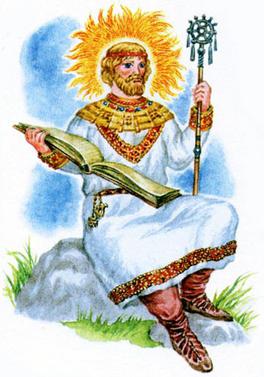
In Slavic mythology, Koleda is a significant figure associated with the winter solstice and the celebration of the New Year. This holiday is marked by various traditions and rituals that reflect the deep connection between the Slavic people and the changing seasons. Koleda is often depicted as a benevolent spirit, bringing joy and prosperity to families during the darkest days of winter. The festivities surrounding Koleda are rich in cultural significance and are celebrated with great enthusiasm in many Slavic countries. These traditions have evolved over time, but they still retain their core elements that honor the spirit of Koleda.
Origins of Koleda
The origins of Koleda can be traced back to ancient Slavic beliefs and customs. In pre-Christian times, the Slavs celebrated the winter solstice as a time of rebirth and renewal. This period was seen as a turning point in the cycle of nature, where the days would begin to grow longer, and the warmth of the sun would return. Koleda was personified as a deity or spirit who represented this renewal and the promise of a fruitful year ahead. The name “Koleda” itself is believed to be derived from the Slavic word for “to be born,” emphasizing the theme of rebirth during this festive season.
 Ilya Muromets
As Christianity spread through Slavic regions, many pagan traditions were incorporated into Christian celebrations. Koleda became associated with the celebration of Christmas, blending the old pagan customs with new Christian beliefs. This fusion resulted in a unique holiday that retained its original essence while also embracing the teachings of Christianity. The celebration of Koleda thus serves as a reminder of the resilience of cultural traditions, adapting and evolving over time while still honoring their roots.
Celebrations and Traditions
The celebrations of Koleda vary among different Slavic cultures, but they generally include similar elements that reflect the joy and hope associated with the holiday. One of the most prominent traditions is the singing of Koledy, which are carols sung by groups of people who go from house to house. These songs often celebrate the birth of Jesus, the arrival of spring, and the blessings of the new year. The singers, often referred to as “koledniki,” are usually dressed in traditional costumes and may carry symbolic items, such as stars or bells, to enhance their performances.
Another important aspect of the Koleda celebrations is the preparation of special foods. Families come together to create traditional dishes that hold cultural significance. Some of the common foods prepared during this time include kutia, a sweet grain pudding made with wheat, honey, and poppy seeds, which symbolizes abundance and prosperity. Additionally, dishes such as borscht and pierogi are often served, reflecting the rich culinary heritage of the Slavic people. The act of cooking and sharing these meals is a way for families to bond and celebrate the blessings of the past year.
 Oynyena Maria
Rituals and Customs
Koleda is also marked by various rituals that are performed to ensure a prosperous year ahead. One of the most common customs is the lighting of candles or bonfires, symbolizing the return of the sun and the warmth it brings. These fires are often lit in the evening, creating a festive atmosphere filled with light and warmth. People gather around the fires to sing, dance, and share stories, reinforcing the sense of community and togetherness that is central to the Koleda celebrations.
In some regions, families also participate in the ritual of caroling, where they visit neighbors and friends to share songs and good wishes for the new year. This practice fosters a sense of unity and goodwill within the community, as people come together to celebrate the joys of life and express their hopes for the future. Additionally, the act of visiting homes is often accompanied by the exchange of gifts, such as baked goods or small tokens, further strengthening social bonds.
The Symbolism of Koleda
Koleda is rich in symbolism, representing the cycle of life, death, and rebirth. The winter solstice marks the longest night of the year, symbolizing darkness and hardship. However, it also signifies the return of light and the promise of new beginnings. The figure of Koleda embodies this duality, serving as a reminder that even in the darkest times, hope and renewal are always possible. The customs and traditions associated with Koleda reflect this belief, encouraging individuals to embrace change and look forward to the future.
 Varpulis
Additionally, the symbolism of Koleda extends to the natural world, as the winter solstice is a time when nature is in a state of rest. The earth is covered in snow, and many plants lie dormant, waiting for the warmth of spring to awaken them. This period of stillness is essential for the cycle of growth and renewal, highlighting the importance of patience and reflection. The celebration of Koleda encourages individuals to honor this natural cycle, recognizing that every ending is also a new beginning.
Regional Variations
While the core elements of Koleda remain consistent across Slavic cultures, there are notable regional variations that enrich the celebration. In Ukraine, for instance, the tradition of Shchedryk or “Generous One” is a well-known carol associated with Koleda. This song speaks of abundance and prosperity, reflecting the agricultural roots of the Ukrainian people. Similarly, in Poland, the celebration of Koleda often includes the custom of setting an extra place at the table for an unexpected guest, symbolizing hospitality and the welcoming of the new year with an open heart.
In Russia, the Koleda festivities can extend beyond the winter solstice to include celebrations leading up to the Orthodox Christmas on January 7th. This extended period of celebration allows for various customs and traditions to be observed, such as the preparation of a special feast and the performance of traditional dances. Each region brings its unique flavor to the Koleda celebrations, creating a rich tapestry of cultural expressions that honor the spirit of the holiday.
Modern-Day Celebrations
In contemporary times, the celebration of Koleda has evolved to include both traditional and modern elements. Many families still adhere to the age-old customs, gathering to sing carols, prepare festive meals, and participate in rituals that connect them to their heritage. However, the influence of globalization has also introduced new practices, blending traditional celebrations with modern festivities. In urban areas, for example, community events and public celebrations may incorporate elements of other cultural celebrations, creating a diverse and inclusive atmosphere.
Social media has also played a significant role in the modern-day celebration of Koleda. Families and friends can share their experiences, photos, and stories online, fostering a sense of connection even among those who may be far apart. This digital sharing allows for the preservation of traditions while also adapting to the changing times. Many people now create virtual gatherings, where they can celebrate together, despite physical distance, highlighting the resilience of cultural practices in the face of modern challenges.
Koleda in Popular Culture
The influence of Koleda extends beyond traditional celebrations and has made its way into popular culture. Various artists and musicians have drawn inspiration from the themes of Koleda, creating works that celebrate the spirit of the holiday. Christmas songs that incorporate elements of Slavic folklore or traditional melodies can be heard in many parts of the world, showcasing the rich cultural heritage associated with Koleda. Additionally, films and literature often explore the themes of renewal and hope, drawing parallels between the ancient traditions of Koleda and contemporary narratives.
Moreover, the representation of Koleda in art and literature serves to educate and inspire new generations about the significance of these traditions. Through storytelling and visual arts, the essence of Koleda is preserved and passed down, ensuring that the cultural legacy remains vibrant and relevant. This ongoing engagement with Koleda in popular culture reinforces the importance of honoring one’s heritage while also embracing the future.
Koleda is a vital aspect of Slavic mythology that encompasses themes of renewal, hope, and community. The traditions and customs surrounding Koleda reflect a deep connection to nature and the changing seasons, celebrating the return of light and the promise of new beginnings. As the world continues to evolve, the spirit of Koleda endures, reminding us of the importance of family, tradition, and the resilience of cultural practices. Whether through traditional celebrations or modern adaptations, the essence of Koleda continues to inspire and unite people across generations.