
Kadrû is a significant figure in Hindu mythology, known primarily as the mother of the Nagas, or serpents. She is often depicted as a powerful and vengeful goddess, embodying the qualities of both nurturing and wrath. Kadrû’s story is intertwined with various legends that highlight her relationships with other deities and her role in the cosmic order. The tales surrounding her often explore themes of loyalty, deception, and the balance of power within the universe.
Kadrû and the Origins of the Nagas
In Hindu texts, Kadrû is described as one of the daughters of Daksha Prajapati, a significant figure in the creation myths. She is married to the sage Kashyapa, who is known for his wisdom and power. Together, they have many offspring, but the most notable among them are the Nagas. The Nagas are considered divine serpents with supernatural abilities, and they play a crucial role in various Hindu scriptures, including the Mahabharata and the Puranas.
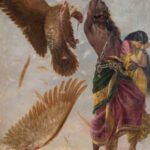 Jatayu
Kadrû’s relationship with Kashyapa is pivotal in understanding her character. Their union symbolizes the blending of different cosmic elements, with Kadrû representing the earth and the serpentine forces, while Kashyapa embodies the celestial and spiritual realms. This duality highlights the importance of balance in nature and the interconnectedness of all beings. The Nagas, as their children, inherit both the earthly and heavenly traits from their parents, making them powerful yet complex beings.
The Curse of Kadrû
One of the most famous stories involving Kadrû revolves around a curse that she placed on her son, the Nagas. According to the legend, Kadrû and her co-wife Vinata, who was married to Kashyapa as well, had a dispute over the color of the horse Uchchaihshravas, which emerged during the churning of the ocean. Kadrû claimed that the horse was black, while Vinata insisted it was white. To settle their argument, they decided to race, with the winner gaining supremacy over the other.
Kadrû, in a bid to ensure her victory, instructed her sons, the Nagas, to wrap themselves around Uchchaihshravas, thus making it appear black. When Vinata realized the deception, she was furious and sought revenge. This story illustrates Kadrû’s cunning and the lengths she would go to protect her interests. The curse she cast not only affected her sons but also set off a chain of events that would lead to significant consequences in the cosmic order.
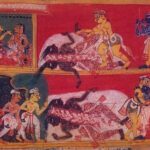 Jara
JaraThe Role of Kadrû in the Churning of the Ocean
The churning of the ocean, or Samudra Manthan, is a central event in Hindu mythology that involves both gods and demons working together to obtain the nectar of immortality. Kadrû plays a crucial role in this event, particularly through her association with the Nagas. As the churning begins, the Nagas emerge as both helpers and adversaries, showcasing their dual nature.
During the churning, Kadrû’s sons are tasked with protecting the treasures that emerge from the ocean. They exhibit great bravery and strength, but their allegiance is tested when they encounter the gods. Kadrû’s influence is evident as her sons navigate the complexities of loyalty and power. This event highlights the intricate relationships between deities and the importance of Kadrû’s lineage in the cosmic hierarchy.
Kadrû and the Theme of Deception
Kadrû’s character is often associated with deception and manipulation. Her cunning nature is evident in her interactions with other deities and her willingness to use her sons for her own purposes. This theme of deception is not limited to her but is prevalent throughout Hindu mythology, where gods and demons often engage in trickery to achieve their goals.
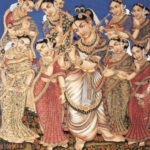 Jâmbavatî
For instance, Kadrû’s actions during the horse race with Vinata illustrate her willingness to deceive for personal gain. Her desire to win and assert dominance leads her to manipulate her sons, showcasing her strategic mind. This aspect of her character serves as a reminder of the complexities of morality in mythology, where even divine beings can exhibit flawed traits.
The Legacy of Kadrû
Kadrû’s legacy is reflected in the continued reverence for the Nagas in Hindu culture. The Nagas are often worshipped as protectors of water bodies and are associated with fertility and abundance. This reverence can be traced back to Kadrû, as she is considered the progenitor of these divine serpents. The connection between Kadrû and her offspring underscores the importance of maternal figures in mythology, where they shape the destinies of their children.
Moreover, Kadrû’s story is often referenced in various rituals and traditions. Her association with the Nagas makes her an essential figure in ceremonies related to water and fertility. Devotees often seek her blessings for protection and prosperity, further solidifying her place in Hindu worship. This enduring legacy speaks to the timeless nature of her narrative and its relevance in contemporary spiritual practices.
Kadrû in Modern Interpretations
In modern interpretations of Hindu mythology, Kadrû is sometimes viewed through a feminist lens. Her character can be seen as a representation of the complexities faced by women in a patriarchal society. Kadrû’s cunning and determination to protect her children resonate with contemporary themes of motherhood and female empowerment. Scholars and practitioners alike explore her narrative to highlight the strength and resilience of women in mythology.
Additionally, Kadrû’s story is often revisited in literature and art, where she is portrayed as a multi-dimensional character. This re-examination allows for a deeper understanding of her motivations and the socio-cultural context in which her story unfolds. By engaging with Kadrû’s narrative, modern audiences can appreciate the rich tapestry of Hindu mythology and its relevance in today’s world.
The Symbolism of Kadrû
Kadrû is rich in symbolism, representing various aspects of nature and the human experience. As the mother of the Nagas, she embodies the duality of creation and destruction. The Nagas, often associated with water and fertility, signify life and abundance, while their serpentine nature also alludes to danger and transformation. This duality reflects the complexities of existence, where beauty and peril coexist.
Moreover, Kadrû’s character can symbolize the struggle for power and recognition in a male-dominated world. Her actions and decisions often stem from a desire to assert her position and protect her lineage. This struggle resonates with many who seek to navigate the challenges of identity and agency within their own lives. Kadrû’s story serves as a reminder of the ongoing quest for balance and understanding in a world filled with contradictions.
Kadrû’s Influence on Art and Culture
Kadrû’s influence extends beyond mythology into various forms of art and culture. Her character has inspired countless artists, writers, and performers throughout history. In traditional Indian art, Kadrû is often depicted in intricate paintings and sculptures, showcasing her connection to the Nagas and her divine femininity. These representations highlight her importance in the pantheon of Hindu deities and serve as a visual reminder of her legacy.
In literature, Kadrû’s story has been retold in various forms, from ancient texts to modern novels. Authors often explore her character in depth, examining her motivations and the consequences of her actions. This literary exploration allows readers to engage with her narrative on a personal level, fostering a deeper appreciation for the complexities of her character. Kadrû’s presence in cultural narratives underscores her lasting impact on the collective consciousness of society.
Rituals and Worship Associated with Kadrû
Worship of Kadrû often takes place in conjunction with rituals dedicated to the Nagas. These ceremonies are typically held to honor the serpentine deities and seek their blessings for prosperity, protection, and fertility. Kadrû is invoked during these rituals, emphasizing her role as the mother of the Nagas and a powerful divine figure.
Devotees may perform various offerings, such as flowers, fruits, and milk, at sacred sites associated with the Nagas. These rituals often include prayers and chants that call upon Kadrû for her guidance and protection. The communal aspect of these ceremonies fosters a sense of connection among participants, as they come together to honor the divine and seek blessings for their families and communities.
The Spiritual Teachings of Kadrû
Kadrû’s narrative offers several spiritual teachings that resonate with individuals seeking wisdom and guidance. One of the key lessons is the importance of balance between nurturing and assertiveness. Kadrû exemplifies the need to protect one’s interests while also understanding the consequences of one’s actions. This balance is essential for personal growth and harmonious relationships.
Furthermore, Kadrû’s story teaches the value of resilience in the face of adversity. Despite the challenges she encounters, she remains steadfast in her determination to safeguard her lineage. This resilience serves as an inspiration for those facing their own struggles, encouraging them to persevere and remain true to their values. Kadrû’s teachings are a reminder of the strength that lies within each individual, waiting to be harnessed in times of need.
Kadrû is a multifaceted figure in Hindu mythology, embodying the complexities of motherhood, power, and the interplay between creation and destruction. Her legacy continues to influence spiritual practices, artistic expressions, and cultural narratives. By exploring Kadrû’s story, we gain insight into the rich tapestry of Hindu mythology and the timeless themes that resonate with our own lives.