
Kishimojin is a significant figure in Buddhist mythology, known primarily as the goddess of children and protector of motherhood. In various Buddhist traditions, she is often depicted as a nurturing figure who embodies compassion and care for children. Her origins can be traced back to the ancient Indian goddess Kishimojin, who was later incorporated into the Buddhist pantheon. She is revered for her ability to provide protection and blessings to families, particularly mothers and their children. This article delves into the various aspects of Kishimojin, her symbolism, and her role in different Buddhist cultures.
Origins of Kishimojin
The origins of Kishimojin can be found in the rich tapestry of Indian mythology. She is often associated with the Hindu goddess Kali and has been worshipped in various forms throughout history. Kishimojin is believed to have emerged from the stories of ancient deities, evolving over time as Buddhism spread across Asia. Her name is derived from the Sanskrit word “Kishima,” which means “to protect” or “to nurture.” As Buddhism traveled to Japan, China, and other regions, her image and significance transformed, adapting to local beliefs and practices.
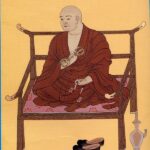 Koya-no-myojin
In the early days of Buddhism, Kishimojin was often depicted as a fearsome figure, embodying both protective and destructive qualities. However, as the religion evolved, her portrayal softened, and she became more associated with motherhood and the care of children. This transition reflects the broader themes of compassion and love that are central to Buddhist teachings. Today, Kishimojin is celebrated as a guardian of families, symbolizing the protective nature of a mother.
Symbolism of Kishimojin
Kishimojin is rich in symbolism, representing various aspects of motherhood and protection. One of her most notable symbols is the child, which signifies her role as a guardian of children. She is often depicted holding a child in her arms, showcasing her nurturing nature. This image resonates deeply with parents who seek her blessings for the health and well-being of their offspring. In many cultures, she is invoked during childbirth and is believed to provide a safe and smooth delivery.
Another important symbol associated with Kishimojin is the lotus flower. The lotus is a powerful symbol in Buddhism, representing purity and enlightenment. Kishimojin’s connection to the lotus signifies her ability to help children grow into wise and compassionate individuals. Just as the lotus rises from muddy waters to bloom beautifully, children under her care are believed to flourish and reach their full potential. This symbolism reinforces the idea that nurturing and love can lead to spiritual growth and development.
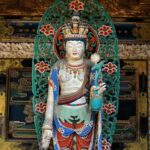 Kannon
Kishimojin in Different Cultures
Kishimojin’s presence is felt across various cultures, each interpreting her significance in unique ways. In Japanese Buddhism, she is often referred to as Kishimojin or Kishimojin-sama. She is celebrated during the festival known as “Kishimojin no Hi,” where families gather to pray for the health and happiness of their children. Temples dedicated to Kishimojin can be found throughout Japan, and many parents visit these shrines to offer prayers and gifts to seek her blessings.
In Chinese Buddhism, Kishimojin is known as Shou Xing, the god of longevity. While her role as a protector of children remains, she is also associated with health and long life. In Chinese culture, she is often depicted alongside other deities, such as Guanyin, the goddess of mercy. This representation highlights the interconnectedness of motherhood, compassion, and longevity in Buddhist teachings. Families pray to her for both the health of their children and the longevity of their family members.
Celebrations and Festivals
- Kishimojin no Hi (Japan)
- Shou Xing Festival (China)
- Various local rituals and prayers
In various regions, celebrations dedicated to Kishimojin include specific rituals and prayers. In Japan, the “Kishimojin no Hi” festival involves families gathering at temples to offer rice, sweets, and other gifts to the goddess. This act of giving is believed to invite her blessings upon their children. Similarly, in China, the Shou Xing Festival includes offerings to Kishimojin, emphasizing the importance of health and well-being for both children and elders.
 Kalachakra
Kishimojin’s Iconography
The iconography of Kishimojin is diverse and varies across different cultures. In many depictions, she is shown with a round face and a warm smile, embodying the essence of maternal love. Her clothing is often colorful and adorned with intricate patterns, reflecting her status as a goddess. In some representations, she is accompanied by a group of children, highlighting her role as a protector and nurturer.
Another common element in her iconography is the presence of fruits and flowers, which symbolize abundance and fertility. These offerings are not just decorative; they represent the blessings she bestows upon families. In some cultures, she is depicted with a crown made of flowers, signifying her divine status and connection to nature. This connection emphasizes the idea that a mother’s love is as nurturing as the earth itself, providing sustenance and support to her children.
Prayers and Offerings to Kishimojin
Devotees often engage in specific prayers and offerings to Kishimojin, seeking her blessings for their children. In Japan, it is common for parents to write their children’s names on wooden tablets, known as ema, and hang them at temples dedicated to Kishimojin. This act is believed to invite her protection and ensure the well-being of the children. Many parents also offer rice and sweets as tokens of gratitude and respect.
In addition to physical offerings, prayers to Kishimojin often include requests for health, happiness, and success for children. Families may recite specific mantras or chants that invoke her name, asking for her guidance and support in raising their children. These practices foster a sense of community among families, as they come together to celebrate their shared devotion to Kishimojin and the values she represents.
Kishimojin in Contemporary Society
In contemporary society, Kishimojin continues to hold a significant place in the hearts of many, especially among families and parents. Her image is often used in various forms of art, literature, and media, symbolizing the enduring importance of motherhood and the protection of children. Many parents find solace in her teachings, using her story as a source of inspiration in their daily lives.
Furthermore, Kishimojin’s values of compassion and nurturing are increasingly relevant in today’s fast-paced world. As families navigate the challenges of modern life, the teachings of Kishimojin serve as a reminder of the importance of love and care in raising children. Community events and gatherings centered around her teachings are becoming more common, fostering a sense of connection among families and promoting the values she embodies.
Kishimojin in Literature and Art
Kishimojin’s influence extends beyond religious practices into the realms of literature and art. Many artists and writers have drawn inspiration from her story, creating works that celebrate her nurturing spirit and protective nature. In Japanese literature, Kishimojin is often featured in stories that highlight the bond between mothers and their children, emphasizing the sacrifices and love that define this relationship.
In art, Kishimojin is depicted in various styles, from traditional paintings to modern interpretations. Artists often focus on her maternal qualities, capturing her warmth and compassion. These artistic representations serve not only as a tribute to her significance in Buddhist mythology but also as a means of exploring the broader themes of motherhood, love, and protection in human experience.
The Impact of Kishimojin on Parenting
The teachings and symbolism of Kishimojin have a profound impact on parenting practices in cultures where she is revered. Many parents look to her as a role model, embodying the ideals of patience, love, and sacrifice that are essential in raising children. Her story encourages parents to embrace the nurturing aspects of their roles, fostering an environment where children can thrive and grow.
In addition to her role as a protector, Kishimojin’s teachings also emphasize the importance of community support in parenting. Many families engage in collective practices, such as group prayers and festivals, reinforcing the idea that raising children is a shared responsibility. This communal approach not only strengthens bonds among families but also creates a supportive network for parents navigating the challenges of child-rearing.
Kishimojin and Child Development
The lessons derived from Kishimojin’s mythology can be applied to modern understanding of child development. Her emphasis on nurturing and protection aligns with contemporary research highlighting the importance of a secure and loving environment for children’s growth. Parents who embody her values are more likely to foster emotional intelligence and resilience in their children, enabling them to navigate life’s challenges effectively.
Moreover, Kishimojin’s story encourages parents to celebrate milestones in their children’s lives, reinforcing the idea that every achievement, no matter how small, is worthy of recognition. This practice not only boosts children’s self-esteem but also strengthens the parent-child bond, creating a foundation of trust and support that is crucial for healthy development.
The Future of Kishimojin Worship
As society continues to evolve, the worship of Kishimojin is likely to adapt to changing cultural contexts. While her traditional practices remain significant, there is potential for new interpretations and expressions of her teachings. Modern families may incorporate her values into their lives in innovative ways, blending ancient traditions with contemporary practices.
Furthermore, the rise of global connectivity allows for the sharing of diverse perspectives on Kishimojin. As people from different cultures engage with her story, there is an opportunity for cross-cultural dialogue that enriches the understanding of motherhood and child-rearing practices. This exchange of ideas can lead to a deeper appreciation of the universal themes present in Kishimojin’s mythology, fostering a sense of unity among families worldwide.