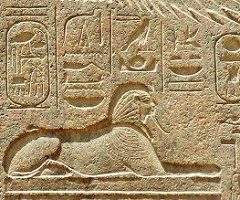
Harmakhis, often associated with the sun and the horizon, is a fascinating figure in Egyptian mythology. This deity embodies the duality of the sun’s journey across the sky and its significance in the ancient Egyptian worldview. The name “Harmakhis” can be translated to mean “Horus in the Horizon,” which highlights his connection to both the sky and the powerful falcon god, Horus. In this article, we will explore the many facets of Harmakhis, his role in Egyptian religion, and how he was worshiped throughout ancient Egypt.
The Origins of Harmakhis
The origins of Harmakhis can be traced back to the early periods of ancient Egyptian history. He was initially seen as a local deity of the city of Heliopolis, which was one of the most significant religious centers in ancient Egypt. Heliopolis was known for its sun cult, and Harmakhis emerged as a representation of the sun at dawn. This association with the rising sun gave him a crucial role in the daily cycle of life and death, symbolizing rebirth and renewal.
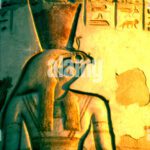 Har-nedj-itef
As the mythology evolved, Harmakhis became more intertwined with other important deities. His connection to Horus is particularly noteworthy. Horus, known as the god of the sky, was often depicted as a falcon or as a man with a falcon’s head. This association suggests that Harmakhis shares some of Horus’s attributes, particularly in relation to power, protection, and kingship. Thus, Harmakhis serves as a bridge between the earthly realm and the divine, illustrating the Egyptians’ understanding of the universe.
The Symbolism of Harmakhis
Harmakhis is rich in symbolism, particularly concerning the sun and the horizon. He is often depicted as a lion-headed figure, which emphasizes his fierce nature and strength. The lion is a symbol of power in many cultures, and in the context of Harmakhis, it represents the unstoppable force of the sun rising each day. This imagery not only highlights his connection to the sun but also serves as a reminder of the cycle of life that governs the universe.
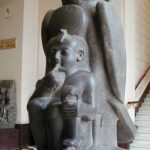 Har-pa-khered
Another important aspect of Harmakhis’s symbolism is his representation of the duality of existence. He embodies both the light and dark aspects of the sun. Just as the sun rises and sets, bringing light and darkness, Harmakhis reflects the balance between these two states. This duality is essential in Egyptian mythology, where the concepts of order (Maat) and chaos are ever-present. Harmakhis, in his role as a solar deity, symbolizes the triumph of light over darkness and the perpetual renewal of life.
Worship and Rituals
The worship of Harmakhis was an integral part of the ancient Egyptian religious landscape. Temples dedicated to him were built, and various rituals were performed to honor his significance. One of the most important aspects of his worship involved the daily rituals that celebrated the rising sun. These rituals were designed to ensure that the sun would continue to rise each day, sustaining life on Earth.
Priests played a crucial role in the worship of Harmakhis. They were responsible for performing rituals, offering prayers, and making sacrifices to appease the deity. These rituals often included the burning of incense, the offering of food and drink, and the recitation of hymns dedicated to Harmakhis. The priests would also maintain the temples, ensuring that they were clean and that the offerings were fresh, as this was believed to please the gods.
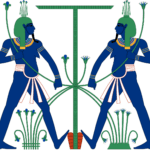 Hapy
HapyKey Rituals Associated with Harmakhis
- Sunrise Ceremony: This ritual celebrated the daily rising of the sun, where priests would chant hymns and offer sacrifices at dawn.
- Festivals: Special festivals were held in honor of Harmakhis, often coinciding with the solstices and equinoxes.
- Processions: Devotees would participate in processions to the temple, carrying offerings and chanting praises to Harmakhis.
In addition to these rituals, the ancient Egyptians believed that Harmakhis played a role in the afterlife. It was thought that the sun’s journey through the underworld at night was guided by Harmakhis, who ensured that the sun would rise again in the morning. This belief added a layer of significance to his worship, as it linked the cycle of life with the promise of resurrection and eternal life.
Iconography of Harmakhis
The iconography of Harmakhis is varied and rich, reflecting his importance in Egyptian mythology. He is often depicted in art as a lion-headed figure, representing his strength and power. Sometimes, he is shown with a solar disk on his head, symbolizing his connection to the sun. This imagery not only reinforces his role as a solar deity but also connects him to other significant figures in Egyptian mythology.
In addition to his lion-headed representation, Harmakhis is sometimes depicted alongside other gods, such as Ra and Osiris. These depictions serve to illustrate the interconnectedness of the Egyptian pantheon and the various roles that deities played in the cosmic order. The presence of Harmakhis in these artworks signifies his importance as a protector and guide, ensuring the continued cycle of life.
Harmakhis in Literature
Harmakhis also appears in various ancient Egyptian texts and literature. These writings often highlight his role in the solar cycle and the significance of the horizon in Egyptian cosmology. One of the most notable texts is the Book of the Dead, which contains spells and incantations designed to guide the deceased through the afterlife. In these texts, Harmakhis is invoked for protection and guidance during the journey through the underworld.
Another important source of information about Harmakhis comes from the Pyramid Texts, which are some of the oldest religious writings in Egypt. These texts often reference Harmakhis in the context of the pharaoh’s journey to the afterlife, emphasizing his role as a guide and protector. The recurring themes of rebirth and renewal in these writings underscore the significance of Harmakhis in the broader context of Egyptian mythology.
The Legacy of Harmakhis
The legacy of Harmakhis continues to influence modern interpretations of Egyptian mythology. Scholars and enthusiasts alike study his role in the pantheon and the symbolism associated with him. His connection to the sun and the horizon serves as a powerful reminder of the ancient Egyptians’ deep understanding of the natural world and their reverence for the forces that governed it.
In contemporary culture, Harmakhis is sometimes referenced in literature, art, and popular media, often as a symbol of strength, renewal, and the cyclical nature of life. His image resonates with those who seek to understand the complexities of existence and the enduring power of nature. The continued interest in Harmakhis reflects the lasting impact of Egyptian mythology on our understanding of the world.
Harmakhis is a multifaceted deity with a rich history in Egyptian mythology. His association with the sun, the horizon, and the concepts of life and death make him a significant figure in the ancient Egyptian religious framework. Through worship, rituals, and artistic representations, Harmakhis played a vital role in the lives of the ancient Egyptians, embodying their beliefs about the universe and their connection to the divine. As we continue to explore the depths of Egyptian mythology, Harmakhis remains a powerful symbol of the enduring nature of life and the cyclical journey of the sun.