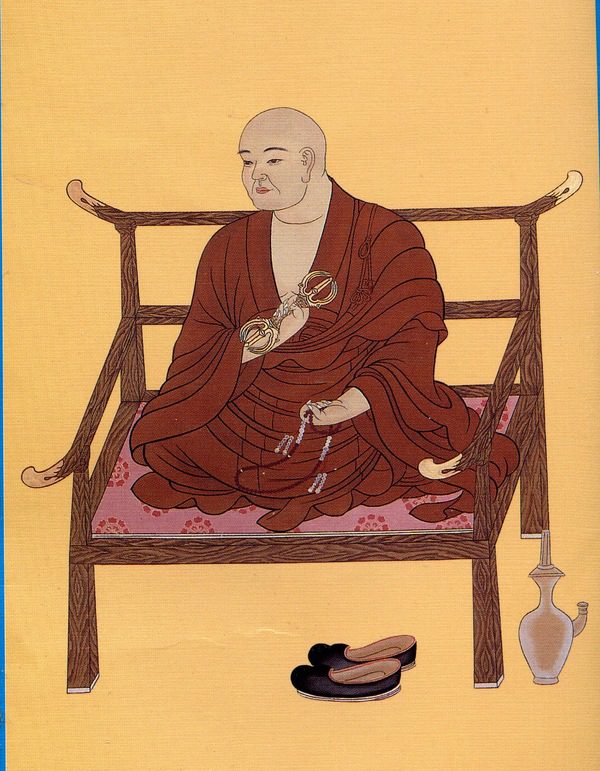
Koya-no-myojin is a significant figure in Buddhist mythology, particularly in Japan. This deity is closely associated with Mount Koya, a sacred site that serves as the headquarters of the Shingon school of Buddhism. Founded by the monk Kukai, also known as Kobo Daishi, this site has attracted countless pilgrims and spiritual seekers. Koya-no-myojin represents the protective and benevolent aspects of the divine, embodying the connection between the physical and spiritual realms. The rich history and traditions surrounding Koya-no-myojin offer insights into the broader context of Buddhist beliefs and practices in Japan.
Origins of Koya-no-myojin
The origins of Koya-no-myojin are deeply intertwined with the history of Mount Koya itself. This mountain, located in Wakayama Prefecture, has been a site of spiritual significance for centuries. According to legend, Kukai chose this location for its serene beauty and its potential for spiritual enlightenment. Koya-no-myojin is often regarded as the guardian deity of this sacred site, ensuring that those who come to seek wisdom and understanding are protected and guided. The mythology surrounding Koya-no-myojin illustrates the importance of nature in Buddhist beliefs, as the mountain serves as both a physical and spiritual sanctuary.
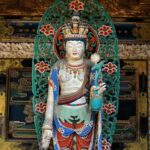 Kannon
In addition to its connection with Kukai, Koya-no-myojin is also linked to the broader pantheon of Buddhist deities. Many of these deities serve specific roles, such as protectors, guides, or embodiments of particular virtues. Koya-no-myojin’s role as a guardian reflects the idea that the divine is always present, watching over those who seek enlightenment. This protective nature is a recurring theme in many religious traditions, highlighting the human desire for safety and support on the spiritual journey.
Symbolism and Attributes
Koya-no-myojin is often depicted with various symbols that convey his protective and benevolent qualities. One of the most common attributes associated with this deity is the staff, which represents guidance and authority. This staff serves as a reminder that spiritual leaders, like Kukai, are tasked with guiding others on their paths to enlightenment. Additionally, Koya-no-myojin is sometimes portrayed with a lotus flower, symbolizing purity and spiritual awakening. The lotus is a significant symbol in Buddhism, representing the ability to rise above the murky waters of ignorance and suffering.
Another important aspect of Koya-no-myojin’s symbolism is the connection to nature. As a mountain deity, Koya-no-myojin embodies the spirit of the natural world, emphasizing the idea that the divine is present in all aspects of life. This connection to nature is essential in many Buddhist practices, as it encourages practitioners to find harmony with their surroundings and recognize the interconnectedness of all beings. Through meditation and mindfulness, followers can cultivate a deeper understanding of their relationship with nature and the divine.
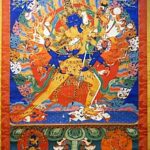 Kalachakra
Cultural Significance
The cultural significance of Koya-no-myojin extends beyond its role in mythology. The deity is an integral part of the spiritual landscape of Japan, influencing various practices and traditions. Many festivals and rituals are dedicated to Koya-no-myojin, celebrating the protective qualities of this deity and expressing gratitude for the blessings received. These events often involve offerings, prayers, and communal gatherings, reinforcing the sense of community among practitioners.
Moreover, Koya-no-myojin has become a symbol of spiritual resilience for many individuals. In times of hardship or uncertainty, people turn to this deity for guidance and support. The stories and teachings associated with Koya-no-myojin serve as a source of inspiration, reminding followers of the importance of perseverance and faith in the face of challenges. This aspect of the deity’s significance highlights the role of spirituality in providing comfort and hope during difficult times.
Practices and Rituals
Practices and rituals associated with Koya-no-myojin are diverse and reflect the rich tapestry of Japanese Buddhist traditions. One common practice is the offering of prayers and incense at shrines dedicated to the deity. Pilgrims and visitors often bring offerings such as fruits, rice, or flowers as a sign of respect and devotion. These offerings serve to create a connection between the practitioner and the divine, fostering a sense of spiritual intimacy and gratitude.
 Juni Shinsho
Another important ritual involves meditation and reflection, often conducted in the serene environment of Mount Koya. Practitioners may engage in guided meditations focused on the qualities of Koya-no-myojin, seeking to embody the protective and nurturing aspects of the deity. This practice not only deepens one’s connection to Koya-no-myojin but also enhances overall spiritual awareness and mindfulness. Through meditation, individuals can cultivate a sense of peace and clarity, allowing them to navigate the complexities of life with greater ease.
Koya-no-myojin in Art and Literature
The figure of Koya-no-myojin has also made its mark in art and literature, reflecting the deep cultural significance of this deity. Various artistic representations can be found in temples, scrolls, and statues throughout Japan. These artworks often depict Koya-no-myojin in a manner that emphasizes his protective qualities, showcasing the reverence held for this deity by practitioners. The use of vibrant colors and intricate details in these artworks serves to convey the beauty and majesty of the divine.
In literature, Koya-no-myojin is frequently referenced in poetry and folklore, illustrating the impact of this deity on the cultural imagination. Stories that feature Koya-no-myojin often explore themes of protection, guidance, and the journey toward enlightenment. These narratives serve not only to entertain but also to impart valuable lessons about the importance of faith and the divine presence in everyday life. Through storytelling, the legacy of Koya-no-myojin continues to inspire and resonate with audiences across generations.
Modern Interpretations
In contemporary society, the figure of Koya-no-myojin has evolved, reflecting changes in cultural attitudes and beliefs. Many people today view Koya-no-myojin as a symbol of spiritual guidance that transcends traditional boundaries. While some may still adhere to specific rituals and practices, others interpret the deity’s teachings in a more personal and individualized manner. This shift highlights the dynamic nature of spirituality, as individuals seek to forge their own paths while drawing inspiration from established traditions.
Moreover, the resurgence of interest in mindfulness and meditation practices has brought renewed attention to Koya-no-myojin. As people seek to cultivate inner peace and clarity, they may turn to the teachings associated with this deity as a source of wisdom. The protective qualities of Koya-no-myojin resonate with those navigating the challenges of modern life, offering a sense of comfort and reassurance. This adaptation of Koya-no-myojin’s significance underscores the enduring relevance of spiritual figures in contemporary contexts.
As we explore the rich tapestry of Koya-no-myojin’s significance in Buddhist mythology, it becomes clear that this deity embodies the intersection of spirituality, culture, and nature. From its origins in the sacred landscape of Mount Koya to its modern interpretations, Koya-no-myojin continues to inspire and guide individuals on their spiritual journeys. Through rituals, art, and literature, the legacy of this protective figure remains vibrant, reminding us of the enduring power of faith and the divine in our lives.