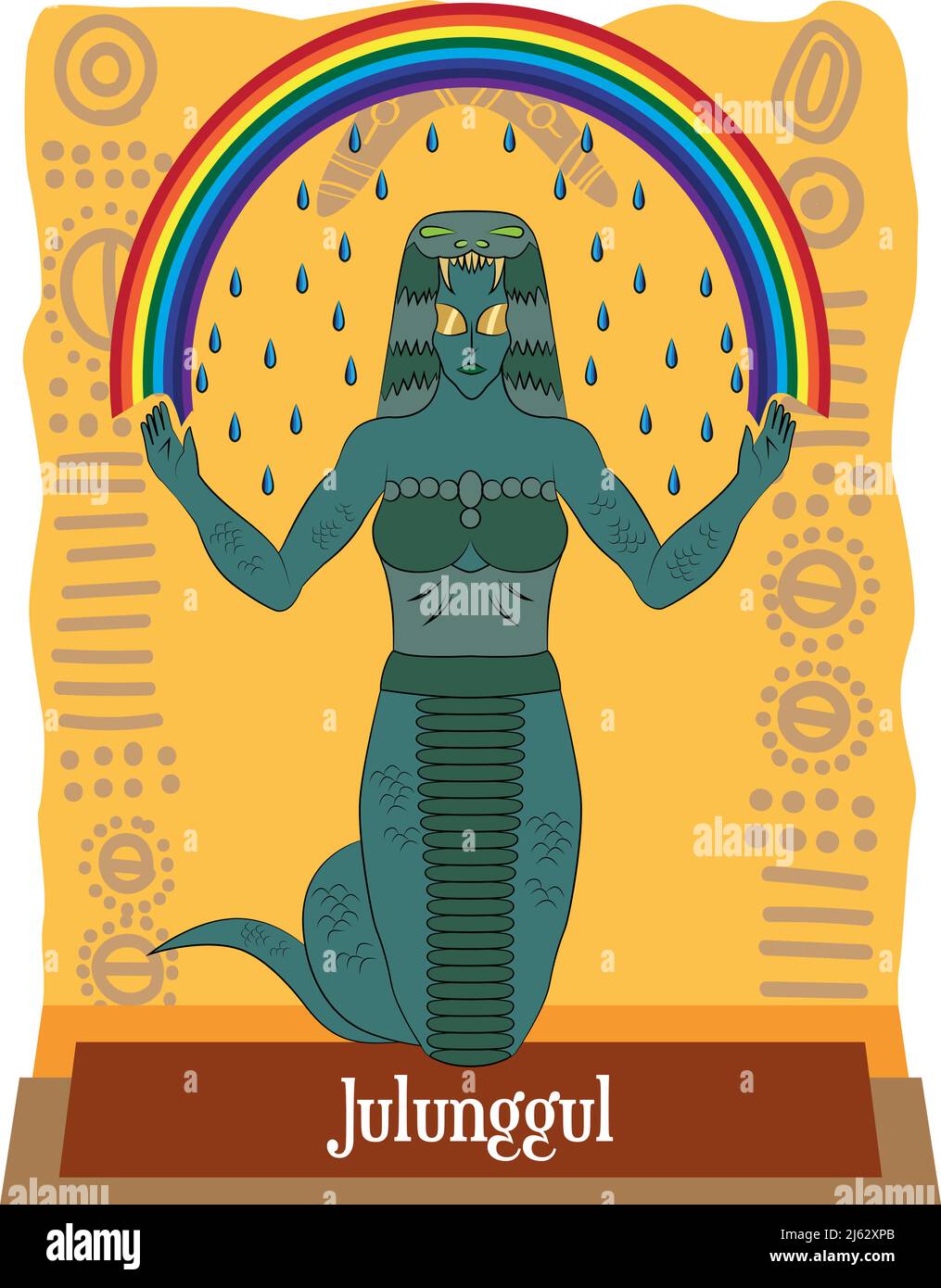
In Australian Aboriginal mythology, Julunggul is a significant figure that holds a vital place in the cultural narratives of various Aboriginal groups. Often depicted as a large, mythical serpent, Julunggul is more than just a creature; it embodies the connection between the land, the people, and the spiritual world. The stories surrounding Julunggul vary from one community to another, but they all share common themes of creation, destruction, and the profound relationship between humans and nature. In this article, we will explore the various aspects of Julunggul, including its origins, significance, and the lessons it imparts to the Aboriginal people.
Origins of Julunggul
The origins of Julunggul can be traced back to the Dreamtime, a foundational concept in Aboriginal culture that describes the time when ancestral spirits created the world. During this period, Julunggul is believed to have emerged from the earth, shaping the landscapes and waterways as it moved. The stories tell of how this great serpent carved out rivers and valleys, creating habitats for various creatures and plants. The movement of Julunggul is said to have brought life to the barren land, transforming it into a lush environment rich in resources.
 Julana
In some versions of the myth, Julunggul is portrayed as a guardian of the water. The serpent is believed to reside in deep waterholes and rivers, where it watches over the aquatic life and ensures that the balance of nature is maintained. This aspect of Julunggul highlights the importance of water in Aboriginal culture and its role in sustaining life. Waterholes are not only vital for drinking but also serve as spiritual sites where people gather to perform rituals and connect with their ancestors.
Significance in Aboriginal Culture
Julunggul holds immense significance in Aboriginal culture, serving as a symbol of creation and destruction. The serpent is often seen as a representation of the duality of life, embodying both the nurturing and destructive forces of nature. For instance, while Julunggul can bring rain and fertility to the land, it is also capable of causing floods and devastation. This duality teaches Aboriginal people to respect nature and understand that all elements of the environment are interconnected.
In addition to its role as a creator, Julunggul is also a figure of spirituality. Many Aboriginal communities believe that the serpent has the power to connect the physical world with the spiritual realm. This connection is often expressed through rituals and ceremonies that honor Julunggul. For instance, during certain seasonal gatherings, people may perform dances and songs that recount the stories of Julunggul, reinforcing their cultural identity and communal bonds.
 Ipilya
Julunggul in Storytelling
Storytelling is a vital aspect of Aboriginal culture, and Julunggul features prominently in many of these narratives. The tales of the serpent are passed down through generations, often changing slightly with each retelling. These stories serve not only as entertainment but also as educational tools that impart important life lessons. For example, one common theme in the stories of Julunggul is the importance of respecting the land and its resources. This lesson is especially relevant in today’s world, where environmental conservation is a pressing issue.
Moreover, the stories of Julunggul often include characters who interact with the serpent, whether as allies or adversaries. These interactions can serve as allegories for human behavior, illustrating the consequences of greed, disrespect, or harmony with nature. Through these narratives, the Aboriginal people teach younger generations about the values that are essential for maintaining a balanced relationship with the earth.
 Gurumukas
Art and Representation of Julunggul
The representation of Julunggul extends beyond storytelling; it is also depicted in various forms of art. Traditional Aboriginal art often features motifs of serpents, waterholes, and landscapes associated with Julunggul. These artworks serve as a visual representation of the stories and beliefs surrounding the serpent, allowing individuals to connect with their heritage in a tangible way. The colors and patterns used in these artworks often hold specific meanings, reflecting the spiritual significance of Julunggul and its connection to the land.
In contemporary art, artists continue to explore the theme of Julunggul, incorporating modern techniques while staying true to traditional narratives. This fusion of old and new allows for a broader audience to engage with Aboriginal culture and mythology. Exhibitions featuring works inspired by Julunggul often spark discussions about the importance of preserving Indigenous stories and the wisdom they carry.
Julunggul and Environmental Stewardship
Julunggul serves as a powerful symbol of environmental stewardship within Aboriginal culture. The stories associated with the serpent emphasize the need to live in harmony with the environment and to respect its resources. Many Aboriginal communities view themselves as custodians of the land, with a responsibility to care for it for future generations. This perspective is deeply rooted in the narratives of Julunggul, which illustrate the consequences of neglecting the natural world.
In recent years, the teachings of Julunggul have gained recognition in the broader context of environmental conservation. Aboriginal communities are increasingly being consulted on land management practices, as their traditional knowledge offers valuable insights into sustainable living. By incorporating the lessons learned from Julunggul, these communities advocate for practices that protect the environment while honoring their cultural heritage.
Modern Interpretations of Julunggul
As society evolves, so too does the interpretation of Julunggul. Contemporary Aboriginal artists, writers, and performers are reimagining the stories of the serpent to address modern issues such as climate change, cultural identity, and social justice. Through their work, they aim to raise awareness about the significance of Indigenous knowledge and the importance of preserving these ancient stories in a rapidly changing world.
Modern interpretations of Julunggul often challenge stereotypes and misconceptions about Aboriginal culture. By showcasing the depth and complexity of their mythology, artists and storytellers work to foster a greater understanding and appreciation of Indigenous perspectives. These reinterpretations serve not only as a celebration of cultural heritage but also as a call to action for environmental and social justice.
Julunggul in Popular Culture
The influence of Julunggul has also extended into popular culture, where references to the serpent can be found in literature, film, and music. These portrayals often draw on the themes of creation, destruction, and the connection between humans and nature. While some interpretations may simplify or alter the original stories, they nonetheless contribute to a broader awareness of Aboriginal mythology and its significance.
Additionally, the presence of Julunggul in popular culture has sparked interest among non-Indigenous audiences, leading to discussions about the importance of respecting Indigenous narratives and ensuring that they are represented authentically. This growing awareness is crucial for fostering a deeper understanding of Aboriginal culture and the rich tapestry of stories that have been passed down through generations.
Lessons from Julunggul
The stories of Julunggul impart several important lessons that resonate with both Indigenous and non-Indigenous people. One of the most prominent messages is the necessity of living in harmony with the environment. The dual nature of Julunggul teaches that while the earth can provide sustenance and beauty, it can also unleash destruction if not respected. This lesson is increasingly relevant as humanity faces pressing environmental challenges, reminding us of our responsibility to protect the planet.
Furthermore, the narratives surrounding Julunggul emphasize the importance of community and connection. Aboriginal culture places a strong emphasis on relationships, both among people and with the land. The stories of Julunggul encourage individuals to foster a sense of belonging and responsibility within their communities, highlighting the idea that everyone plays a role in the well-being of the environment and society as a whole.
Julunggul is a profound figure in Australian Aboriginal mythology, representing creation, destruction, and the intricate relationship between humans and nature. Through storytelling, art, and modern interpretations, the legacy of Julunggul continues to inspire and educate people about the importance of respecting the environment and honoring cultural heritage. The lessons learned from Julunggul resonate deeply in today’s world, reminding us of the interconnectedness of all life and the need for stewardship of the earth.