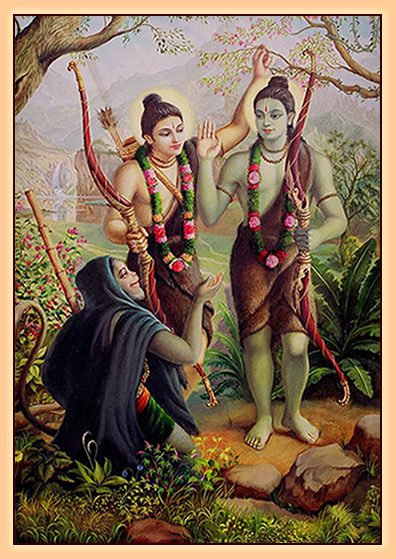
Jâmbavân is a significant character in Hindu mythology, known primarily for his role in the epic Ramayana. He is often referred to as the king of bears and is depicted as a wise and powerful figure. Jâmbavân is not just a mere animal; he embodies the qualities of strength, loyalty, and wisdom. His character provides crucial support to Lord Rama in his quest to rescue Sita from the demon king Ravana. The stories surrounding Jâmbavân reveal much about the values and teachings of Hindu culture, emphasizing the importance of friendship, loyalty, and righteousness.
The Origins of Jâmbavân
The origins of Jâmbavân can be traced back to ancient texts, where he is often described as a being created by Brahma, the creator god in Hinduism. According to various legends, he was born during the creation of the world and has lived for many ages. This longevity gives him a unique perspective on the events of the universe. Jâmbavân is also said to be a descendant of Vayu, the wind god, which grants him immense strength and agility. His bear form symbolizes power and courage, making him a formidable ally in battles.
 Jalandhara
In addition to his origins, Jâmbavân is associated with several other divine beings. He is considered a close friend of Hanuman, the monkey god, and together they play crucial roles in aiding Lord Rama. Their friendship highlights the bonds of loyalty and camaraderie that are prevalent in Hindu teachings. Jâmbavân’s lineage and connections to other deities illustrate the interconnectedness of characters in Hindu mythology, showcasing how different beings contribute to the larger narrative.
Role in the Ramayana
Jâmbavân’s most notable role comes in the epic tale of the Ramayana, where he becomes a pivotal figure in the search for Sita. When Rama and his brother Lakshmana are in despair after Sita’s abduction, it is Jâmbavân who inspires Hanuman to leap across the ocean to reach Lanka. His wise counsel and encouragement are instrumental in rallying the troops for this significant mission. Jâmbavân’s character serves as a reminder of the importance of wisdom and leadership in times of crisis.
During the search for Sita, Jâmbavân demonstrates his strategic thinking and combat skills. He helps organize the bear and monkey armies, ensuring that they are prepared for the challenges they will face. His ability to unite different factions under a common cause is a testament to his leadership qualities. Jâmbavân’s influence extends beyond just physical strength; he embodies the spirit of teamwork and collaboration, which are essential for achieving great goals.
 Jagannath
Jâmbavân and Hanuman
The relationship between Jâmbavân and Hanuman is one of the most celebrated friendships in Hindu mythology. Jâmbavân serves as a mentor to Hanuman, guiding him and instilling confidence in him. When Hanuman doubts his abilities, it is Jâmbavân who reminds him of his true potential. This mentorship is crucial for Hanuman’s character development, transforming him from a humble monkey into a heroic figure capable of incredible feats.
One of the most memorable moments in their relationship occurs when Hanuman is unsure about his ability to leap across the ocean to Lanka. Jâmbavân, recognizing Hanuman’s latent powers, encourages him to harness his strength and courage. He reminds Hanuman of his divine heritage and the blessings he has received. This moment is significant not only for Hanuman but also for the overarching themes of self-discovery and empowerment that resonate throughout the Ramayana.
Lessons from Jâmbavân and Hanuman’s Friendship
- Mentorship: The importance of guiding others to realize their potential.
- Encouragement: How positive reinforcement can lead to remarkable achievements.
- Unity: The strength found in collaboration and teamwork.
Jâmbavân’s Wisdom
Jâmbavân is often portrayed as a wise figure, possessing knowledge that spans ages. His wisdom is not just limited to physical strength; it encompasses strategic thinking and moral guidance. Throughout the Ramayana, he provides valuable insights that help the protagonists navigate their challenges. Jâmbavân’s advice often reflects deep philosophical teachings, making him a character of great significance in Hindu thought.
 Indrâni
One of the key aspects of Jâmbavân’s wisdom is his understanding of dharma, or righteousness. He embodies the principles of truth and justice, guiding others to act in accordance with these values. His decisions are not merely based on power or strength; they are rooted in a profound understanding of right and wrong. This moral compass is crucial in the context of the Ramayana, where characters are often faced with difficult choices that test their values.
Jâmbavân in Other Texts
While Jâmbavân is most famously known from the Ramayana, he also appears in various other texts and folklore. His character is sometimes mentioned in Puranas, ancient Hindu scriptures that narrate the history of the universe, gods, and legendary figures. In these texts, Jâmbavân’s stories often emphasize his wisdom, strength, and loyalty, reinforcing the traits that make him a beloved figure in Hindu mythology.
In some retellings, Jâmbavân is depicted as a guardian of sacred knowledge, entrusted with secrets that can influence the course of events in the universe. His role as a keeper of wisdom highlights the importance of knowledge and learning in Hindu culture. The stories of Jâmbavân serve to inspire individuals to seek knowledge and to value the wisdom of their elders, which is a recurring theme in many Hindu narratives.
Symbolism of Jâmbavân
Jâmbavân symbolizes several important concepts within Hindu mythology. One of the most prominent symbols associated with him is that of strength. As the king of bears, he represents physical power and bravery, qualities that are essential in the face of adversity. His character serves as a reminder that true strength lies not only in physical prowess but also in moral integrity and wisdom.
Another significant aspect of Jâmbavân’s symbolism is his role as a mentor and guide. He embodies the idea that wisdom is best shared and that true leadership involves uplifting others. Jâmbavân’s influence on characters like Hanuman emphasizes the importance of nurturing relationships and supporting one another in times of need. This mentorship is a vital theme in many stories, reflecting the interconnectedness of individuals within a community.
Jâmbavân as a Representation of Values
- Strength: Physical and moral strength in facing challenges.
- Wisdom: The importance of knowledge and understanding.
- Friendship: The value of loyalty and support in relationships.
Jâmbavân in Modern Culture
In contemporary culture, Jâmbavân continues to be a significant figure in various forms of art, literature, and media. His character has inspired numerous adaptations of the Ramayana, including films, television series, and theatrical performances. These adaptations often emphasize his wisdom and strength, portraying him as a crucial ally in the battle against evil.
Moreover, Jâmbavân’s influence can be seen in popular culture, where elements of his character are woven into modern storytelling. Themes of mentorship, strength, and loyalty resonate with audiences today, making Jâmbavân a timeless figure. His stories serve as a source of inspiration for individuals seeking guidance and strength in their own lives, reflecting the enduring nature of Hindu mythology.
Jâmbavân stands as a testament to the rich tapestry of Hindu mythology. His character embodies essential values such as strength, wisdom, and loyalty, making him a beloved figure in the epic tales of the Ramayana. Through his relationships and actions, Jâmbavân teaches us valuable lessons about friendship, mentorship, and the importance of righteousness. As we explore the depths of his character, we find not only a powerful ally of Lord Rama but also a symbol of the enduring principles that guide us through life’s challenges.