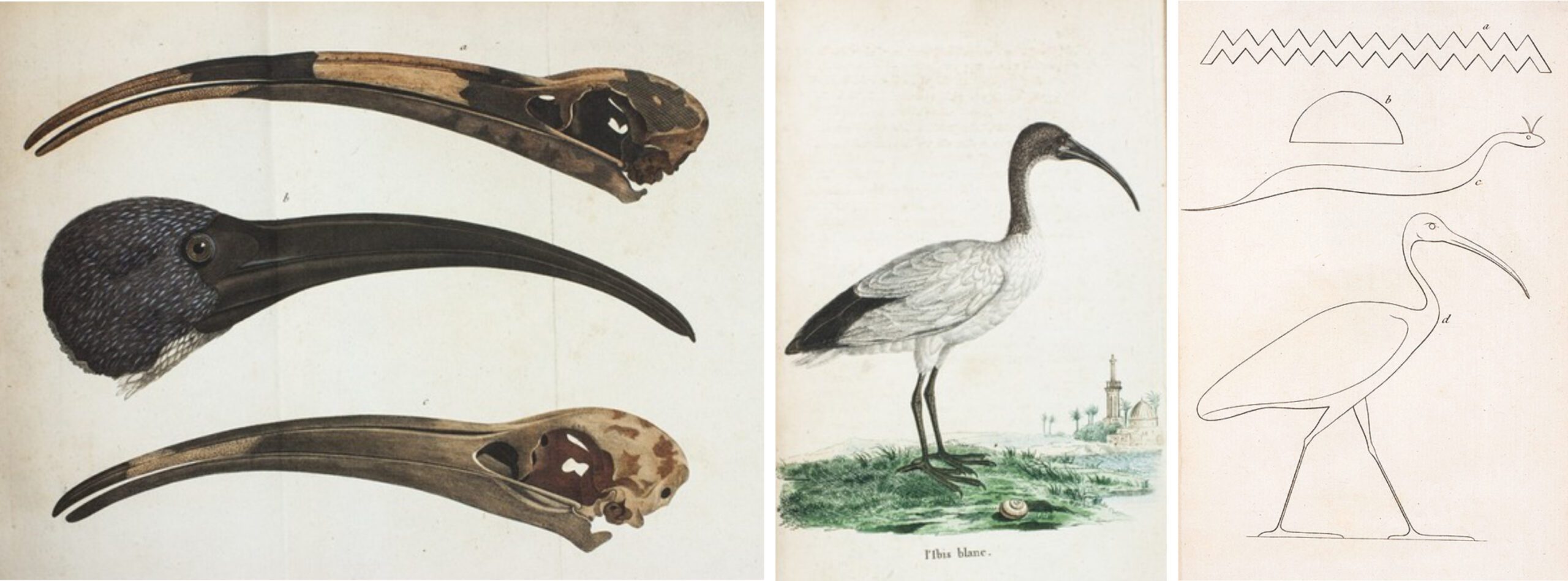
The ibis is a significant bird in Egyptian mythology, often associated with wisdom, writing, and the afterlife. This bird, known for its long legs and curved beak, was not only a common sight along the Nile but also held a revered place in the hearts of the ancient Egyptians. The ibis is particularly connected to the god Thoth, who is the deity of wisdom, writing, and knowledge. In many depictions, Thoth is shown with the head of an ibis, emphasizing the bird’s importance in Egyptian culture and religion.
The Role of the Ibis in Egyptian Mythology
The ibis played a multifaceted role in Egyptian mythology. It was often seen as a symbol of intellect and communication. Thoth, the god associated with the ibis, was believed to be the scribe of the gods and the inventor of writing. This connection made the ibis a powerful symbol for scribes and scholars in ancient Egypt. People would invoke the ibis for guidance in matters of knowledge and education, believing that the presence of the bird would enhance their understanding and skills.
 Iat
IatIn addition to its connection with Thoth, the ibis was also thought to have a protective nature. Many ancient Egyptians believed that the bird had the power to ward off evil spirits. This belief likely stemmed from the ibis’s diet, which included snakes and other small creatures that could be harmful. The sight of an ibis hunting in the marshes would bring comfort to the people, as it symbolized the triumph of good over evil.
Physical Characteristics of the Ibis
The ibis is easily recognizable due to its unique physical characteristics. This bird typically has a long, slender body, long legs, and a distinctive curved beak. The plumage of the ibis can vary, but many species have white feathers with black or colored accents. These features not only make the ibis a striking bird but also contribute to its symbolic significance in Egyptian mythology. The long beak is particularly important, as it is used to probe the mud for food, reflecting the bird’s association with knowledge and exploration.
Different species of ibises can be found in various regions, but the most notable in Egyptian mythology is the Sacred Ibis (Threskiornis aethiopicus). This species was often mummified and buried in tombs, highlighting its importance in religious practices. The ancient Egyptians revered the Sacred Ibis so much that they would often create elaborate burial sites for these birds, believing that they would accompany their owners into the afterlife.
 Horus
HorusThe Ibis in Ancient Egyptian Art
The ibis is a frequent subject in ancient Egyptian art, appearing in various forms such as paintings, sculptures, and hieroglyphs. Artists often depicted the ibis alongside Thoth, showcasing the bird’s role as a divine messenger and protector of knowledge. In many temples and tombs, the ibis was represented in a way that emphasized its grace and elegance, capturing the bird’s essence in a manner that resonated with the cultural values of the time.
Hieroglyphs featuring the ibis were used to symbolize writing and communication. The bird was often inscribed on walls, papyrus scrolls, and other artifacts as a reminder of the importance of literacy and the written word in ancient Egyptian society. The presence of the ibis in these artworks served not only as a representation of the bird itself but also as a tribute to the divine qualities associated with it.
Religious Practices Involving the Ibis
The worship of the ibis was deeply embedded in ancient Egyptian religion. Many temples were dedicated to Thoth, where rituals and offerings were made in honor of the god. During these ceremonies, live ibises were often present, symbolizing the connection between the divine and the earthly realm. The priests would conduct rituals that included chanting, dancing, and offering food to the ibises, reinforcing the belief that these birds were sacred and deserving of reverence.
 Hez-ur
Mummification of the Sacred Ibis was a common practice in ancient Egypt. People believed that preserving the body of the ibis would ensure its safe passage into the afterlife. The mummies of these birds were often buried with great care, accompanied by amulets and offerings. This practice reflected the ancient Egyptians’ belief in the afterlife and the significance of the ibis as a guide for the deceased on their journey.
The Ibis in Literature and Folklore
The ibis also appears in various ancient Egyptian texts and folklore. Many stories describe the ibis as a wise creature that imparts knowledge to humans. In some myths, the ibis is depicted as a mediator between the gods and people, conveying important messages or guidance. These narratives reinforced the bird’s association with wisdom and intelligence, making it a central figure in the mythology of ancient Egypt.
Literature from ancient Egypt often contains references to the ibis, highlighting its importance in cultural and spiritual contexts. For example, poems and hymns dedicated to Thoth frequently mention the ibis, celebrating its qualities and the blessings it brings to humanity. This literary presence underscores the deep respect and admiration that ancient Egyptians held for the ibis and its connection to their religious beliefs.
The Ibis Today
Today, the ibis continues to be a symbol of Egyptian culture and heritage. It is often featured in modern art, literature, and tourism, serving as a reminder of the rich history and mythology of ancient Egypt. The ibis is also a subject of study for ornithologists and historians who seek to understand its role in ancient societies and its impact on culture.
Conservation efforts are underway to protect various species of ibises, including the Sacred Ibis, which has faced threats due to habitat loss and hunting. Organizations dedicated to wildlife preservation recognize the cultural significance of the ibis and aim to ensure its survival for future generations. By raising awareness about the ibis and its importance in history, these efforts contribute to the ongoing appreciation of this remarkable bird.
the ibis holds a special place in Egyptian mythology and culture. Its association with Thoth, the god of wisdom and writing, underscores the bird’s significance as a symbol of knowledge and protection. Through art, literature, and religious practices, the ibis has left an indelible mark on the history of ancient Egypt. Today, it remains a cherished symbol of the rich cultural heritage of this ancient civilization, inspiring admiration and respect for its enduring legacy.