
In Greek mythology, Hespera is a figure that embodies the essence of the evening and the twilight. Often associated with the Hesperides, she is a personification of the evening star and is linked to the beauty and tranquility of the night. Hespera’s presence in myths and stories signifies a transition from the brightness of day to the calmness of night. This transformation is not merely a physical change but is often seen as a metaphor for various stages in life, including rest, reflection, and the passage of time. The allure of the evening and the mysteries it holds are deeply embedded in the tales surrounding Hespera.
The Hesperides and Their Significance
The Hesperides are often depicted as nymphs who tend to a garden filled with golden apples, a gift from Gaia to Hera upon her marriage to Zeus. This garden is said to be located at the edge of the world, symbolizing a place where the boundaries of day and night meet. Hespera, as a representation of evening, plays a crucial role in this mythological setting. The apples themselves are not just fruits; they represent immortality and the rewards of hard work and protection. The golden apples are coveted, leading to various quests and adventures in Greek mythology.
 Hesperides
According to myth, the garden is protected by a fierce dragon named Ladon, who guards the apples from any intruders. This dragon can be seen as a symbol of the challenges one must face when seeking something precious. The relationship between Hespera and the Hesperides emphasizes the importance of guardianship and the protection of valuable things, whether they be material possessions or intangible qualities like peace and serenity found in the evening. The beauty of the Hesperides’ garden is heightened by the presence of Hespera, whose essence brings a gentle and soothing atmosphere to the setting.
The Symbolism of Hespera
Hespera symbolizes more than just the evening; she embodies the transition between day and night, light and darkness. This duality is significant in many cultures, representing the balance of opposing forces. In Greek mythology, this balance is often portrayed through various deities and figures who govern different aspects of life. Hespera’s role as a goddess of the evening is crucial because it signifies a time for rest and reflection, a moment to pause before the night takes over. This time is often viewed as sacred, allowing individuals to reconnect with their thoughts and feelings.
In art and literature, Hespera is frequently depicted as a beautiful figure draped in flowing garments, symbolizing the softness and allure of the evening. Her imagery is often associated with the setting sun, casting a warm glow over the world. This representation can evoke feelings of peace and tranquility, encouraging individuals to embrace the calmness that the evening brings. The twilight serves as a reminder that while the day may end, it is not a time for despair but rather an opportunity for introspection and renewal.
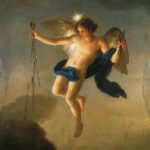 Hesperus
Hespera in Literature and Art
Throughout history, Hespera has been referenced in various literary works, showcasing her significance in Greek mythology. Poets and playwrights have drawn inspiration from her symbolism, using her character to explore themes of love, longing, and the fleeting nature of time. In many ancient texts, the evening is portrayed as a time for lovers to meet, highlighting Hespera’s role in facilitating these connections. The beauty of the night is often celebrated, and Hespera becomes a symbol of romance and passion, as couples find solace under the stars.
In visual arts, Hespera is often depicted alongside the Hesperides, capturing the enchanting beauty of the garden and its golden apples. Artists use rich colors to convey the warmth of the evening light, creating an atmosphere that invites viewers to immerse themselves in the scene. The interplay of light and shadow in these artworks reflects the duality of Hespera’s nature, showcasing the delicate balance between day and night. The presence of Hespera in art serves as a reminder of the beauty found in transitions and the importance of embracing change.
The Cultural Impact of Hespera
The figure of Hespera has influenced not only Greek mythology but also various aspects of Western culture. The concept of twilight as a magical time has permeated literature, music, and art across different eras. Hespera represents a time when the world transforms, inspiring countless works that capture the essence of this transition. From romantic poetry to modern songs, the themes of evening and night often evoke feelings of nostalgia and reflection, drawing upon the timeless qualities that Hespera embodies.
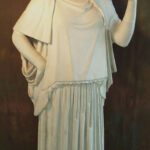 Hestia
Moreover, Hespera’s association with the evening star has led to her presence in astrological interpretations and spiritual practices. Many cultures view the evening star as a symbol of hope and guidance, reminding individuals to seek light even in the darkest times. This connection to the cosmos emphasizes Hespera’s role in the greater narrative of the universe, where she serves as a beacon of hope and tranquility. The impact of her character can be seen in the ways people celebrate the evening, whether through gatherings, rituals, or quiet moments of contemplation.
The Legacy of Hespera
As time has passed, the legacy of Hespera continues to resonate in modern society. Her embodiment of the evening and the themes associated with it have found their way into contemporary discussions about mental health and well-being. The importance of taking time to reflect and recharge, especially during the evening, is increasingly recognized in today’s fast-paced world. Hespera serves as a reminder to embrace moments of stillness and to appreciate the beauty of transitions.
Furthermore, Hespera’s story encourages individuals to find balance in their lives. Just as the evening signifies a time of rest before a new day begins, people are reminded to prioritize self-care and mindfulness. The lessons learned from Hespera’s mythology can inspire a more holistic approach to life, one that values both action and contemplation. By honoring the legacy of Hespera, individuals can cultivate a deeper understanding of themselves and the world around them.
Modern Interpretations of Hespera
In recent years, there has been a resurgence of interest in Greek mythology, with many modern adaptations exploring the stories of gods and goddesses, including Hespera. Writers, filmmakers, and artists have reimagined her character, bringing her into contemporary narratives. These adaptations often highlight the relevance of Hespera’s themes in today’s world, showcasing the importance of balance, reflection, and the beauty of transitions.
For example, in literature, Hespera may be portrayed as a guiding figure for protagonists navigating their own journeys. Her influence can serve as a reminder to seek moments of peace amidst chaos, encouraging characters to embrace the lessons of the evening. In film and television, her character may be used to symbolize the beauty of relationships formed under the night sky, reinforcing the idea that connections can flourish in the calm of twilight.
Hespera and the Cycle of Life
The themes surrounding Hespera also resonate deeply with the natural cycle of life. Just as day transitions to night, life is marked by various stages, each with its own significance. Hespera’s presence in mythology can be seen as a celebration of these transitions, encouraging individuals to embrace change and growth. The evening is often viewed as a time of reflection, where one can assess their experiences and prepare for the future.
In this context, Hespera serves as a symbol of acceptance and resilience. Life’s challenges and transformations are inevitable, and Hespera reminds us that it is essential to find beauty in these moments. By embracing the lessons that come with change, individuals can navigate their journeys with grace and wisdom. Hespera’s legacy encourages a deeper appreciation for the cycles of life, emphasizing the importance of both endings and beginnings.
The Spiritual Essence of Hespera
Hespera’s spiritual significance extends beyond her role in mythology. Many individuals find comfort in the idea of an evening goddess who represents tranquility and reflection. The evening is often associated with spiritual practices, such as meditation and mindfulness, where individuals seek to connect with their inner selves. Hespera embodies these practices, serving as a guiding figure for those on a spiritual journey.
In various spiritual traditions, the evening is seen as a time for introspection and connection with the divine. Hespera’s essence can inspire individuals to engage in rituals that honor the transition from day to night. Whether through lighting candles, practicing gratitude, or simply taking a moment to breathe, the presence of Hespera encourages a deeper connection to oneself and the universe. Her legacy serves as a reminder of the importance of nurturing one’s spirit amidst the hustle and bustle of daily life.
Hespera, as a figure in Greek mythology, continues to inspire and resonate with individuals across cultures and generations. Her embodiment of the evening and the themes associated with it serves as a reminder of the beauty of transitions, the importance of reflection, and the value of balance in life. Through literature, art, and modern interpretations, Hespera’s legacy endures, encouraging individuals to embrace the calmness of the evening and find peace in the ever-changing journey of life.