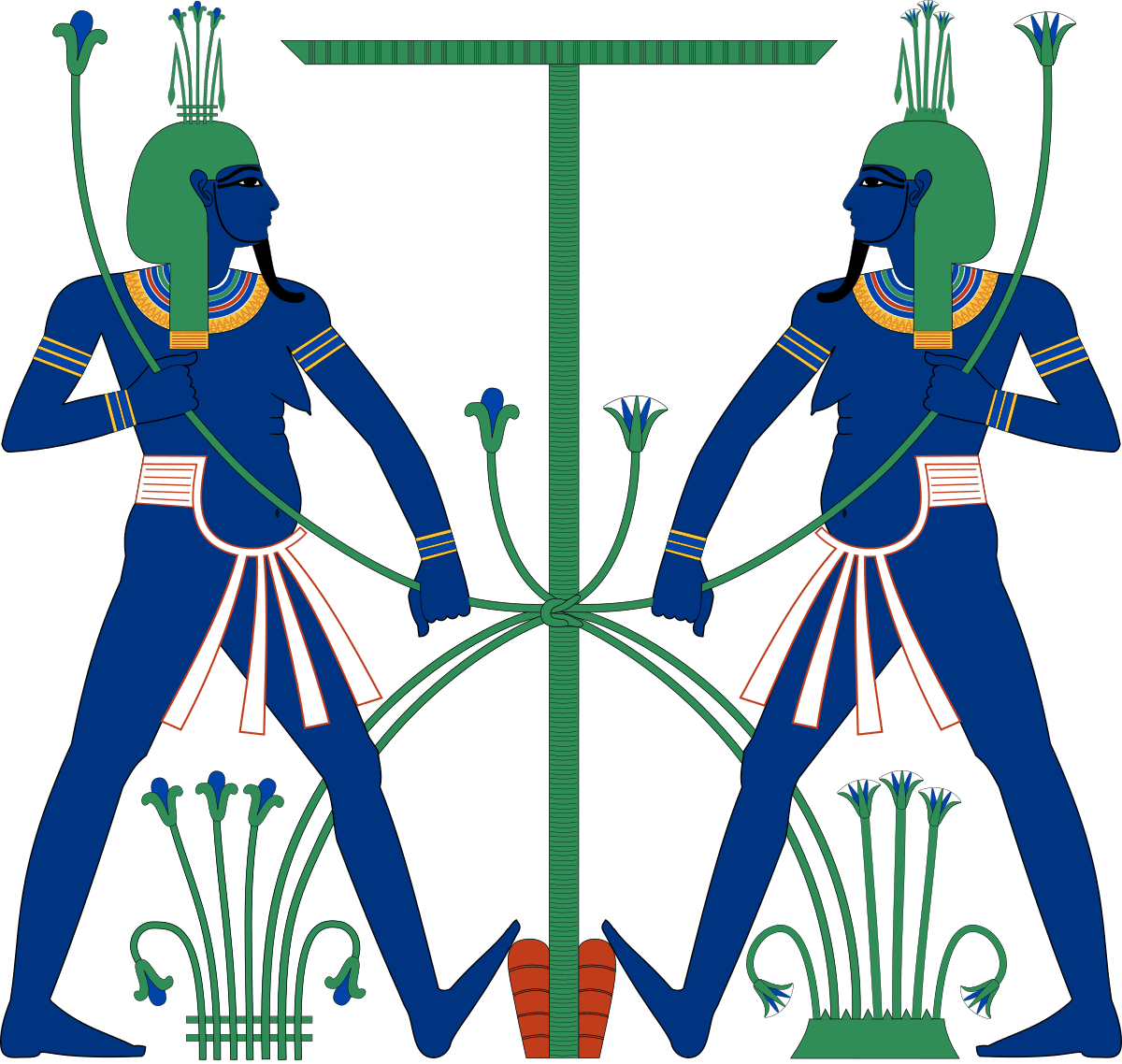
In ancient Egyptian mythology, the concept of Hapy holds significant importance. Hapy is often associated with the annual flooding of the Nile River, which was a critical event for the agricultural cycle in ancient Egypt. The floodwaters brought life to the land, allowing crops to grow and sustaining the population. As a deity, Hapy is depicted as a man with a large belly and breasts, symbolizing abundance and nourishment. His representation often includes blue or green skin, which signifies the fertility of the Nile and the life-giving properties of water.
The Role of Hapy in Egyptian Mythology
Hapy is one of the four sons of Horus, who are known as the Four Sons of Horus. Each son had a specific role and was associated with different aspects of the afterlife. Hapy, in particular, was responsible for protecting the lungs of the deceased. This connection to the afterlife is crucial, as it emphasizes the importance of the Nile in sustaining life both in the mortal realm and in the afterlife.
 Heh
HehIn Egyptian mythology, Hapy is often depicted as a provider of fertility and prosperity. The annual inundation of the Nile was seen as a gift from the gods, particularly Hapy. This event not only replenished the soil but also ensured that the people had enough food to survive. The Egyptians celebrated this time with festivals and rituals, honoring Hapy for his vital role in their survival.
Physical Depiction of Hapy
Artists in ancient Egypt often portrayed Hapy in a very distinctive way. He is usually shown as a robust man with exaggerated features, such as a large belly, which symbolizes abundance. The blue or green color of his skin represents the life-giving waters of the Nile. These colors were significant in Egyptian art, as they conveyed specific meanings related to fertility and rebirth.
 Ha
Ha- Large Belly: Symbolizes abundance and nourishment.
- Blue or Green Skin: Represents the fertility of the Nile.
- Holding Offerings: Often depicted with food and plants to signify sustenance.
Additionally, Hapy is sometimes shown holding two water jars, which represent the life-giving waters of the Nile. This imagery reinforces his role as a deity who brings fertility and sustenance to the land. The presence of plants and food in his depictions further emphasizes his connection to agriculture and the prosperity of the Egyptian people.
The Significance of the Nile Flooding
The flooding of the Nile River, known as the Inundation, was a natural event that occurred annually and was crucial for agriculture in ancient Egypt. This event typically took place between June and September and was essential for the growth of crops. The floodwaters deposited nutrient-rich silt onto the fields, making them fertile for planting. Without this annual flooding, the Egyptian civilization would have struggled to sustain its population.
Hapy’s association with the Inundation reflects the deep respect and reverence the Egyptians had for the Nile. They believed that the river was a divine gift, and its flooding was a manifestation of Hapy’s blessings. As a result, many rituals and offerings were dedicated to Hapy during this time, thanking him for the life-giving waters and ensuring a bountiful harvest.
 Geb
GebCultural Practices Related to Hapy
Throughout ancient Egyptian history, various cultural practices were tied to the worship of Hapy. One of the most important was the celebration of the annual flooding of the Nile. This festival included music, dancing, and offerings to the gods, particularly Hapy. People would gather along the riverbanks to celebrate the arrival of the floodwaters, expressing their gratitude for the blessings of fertility and abundance.
- Festivals: Celebrations were held to honor Hapy during the Inundation.
- Offerings: Food and goods were presented to Hapy as a sign of gratitude.
- Rituals: Various rituals were performed to ensure a successful harvest.
These cultural practices not only honored Hapy but also strengthened the community’s bond with the natural cycles of their environment. The Egyptians understood that their survival depended on the Nile, and through their worship of Hapy, they expressed their deep connection to the land and its resources.
Hapy in Ancient Texts
Hapy is mentioned in several ancient Egyptian texts, including religious inscriptions and funerary texts. These texts often describe the role of Hapy in the afterlife, emphasizing his importance in the journey of the deceased. For example, in the Book of the Dead, Hapy is invoked to provide sustenance and nourishment to the departed souls. This highlights the belief that the blessings of Hapy extended beyond the mortal realm and into the afterlife.
In these texts, Hapy is frequently associated with other deities, such as Osiris and Isis, who are also linked to fertility and agriculture. This interconnectedness of the gods in Egyptian mythology reflects the complex nature of their belief system, where different deities played various roles in the cycle of life and death.
Hapy’s Legacy in Egyptian Culture
The legacy of Hapy extends beyond ancient times, influencing modern perceptions of Egyptian mythology. Today, Hapy is recognized as a symbol of fertility and abundance, representing the vital connection between the Nile and the agricultural practices of ancient Egypt. His imagery continues to be used in art and literature, reminding us of the significance of water and its role in sustaining life.
- Modern Interpretations: Hapy is often referenced in discussions about ancient Egyptian culture.
- Artistic Representations: His image appears in various forms of modern art.
- Symbol of Fertility: Hapy is still recognized as a symbol of abundance and nourishment.
Furthermore, the understanding of Hapy’s role in Egyptian mythology can provide insights into the values and beliefs of ancient Egyptians. Their reverence for nature, particularly the Nile, reflects a deep connection to their environment, which is a lesson that remains relevant in today’s world as we continue to navigate our relationship with nature and its resources.
The Worship of Hapy in Temples
The worship of Hapy was prominent in various temples across ancient Egypt. Temples dedicated to Hapy often featured altars where offerings could be made. These offerings typically included food, drinks, and other goods that symbolized abundance. Priests played a vital role in these rituals, performing ceremonies to honor Hapy and ensure his blessings upon the land.
One notable temple dedicated to Hapy was located in Elephantine, an island in the Nile near Aswan. This temple was a significant site for worship and featured inscriptions and carvings that celebrated Hapy’s role in the Inundation. Visitors to the temple would often participate in rituals, reinforcing the community’s connection to Hapy and the Nile.
Temples and Rituals
The temples dedicated to Hapy were not only places of worship but also centers for community gatherings. Festivals held at these temples attracted people from various regions, fostering a sense of unity and shared belief. During these festivals, rituals were performed to invoke Hapy’s blessings for the upcoming agricultural season, ensuring that the crops would thrive and the people would be nourished.
- Community Gatherings: Temples served as centers for communal worship and celebration.
- Rituals for Abundance: Specific ceremonies were performed to seek Hapy’s blessings.
- Inscriptions and Art: Temples featured art that depicted Hapy and his significance.
The rituals conducted in these temples often involved music, dance, and offerings, creating a vibrant atmosphere that celebrated the life-giving properties of the Nile. This cultural practice reinforced the importance of Hapy in the daily lives of the Egyptians, as they relied on the river for their survival and prosperity.
Hapy’s Influence on Agriculture
Hapy’s influence on agriculture in ancient Egypt cannot be overstated. The annual flooding of the Nile was crucial for the cultivation of crops such as wheat, barley, and flax. The fertility brought by the floodwaters allowed the Egyptians to sustain their civilization and support a growing population. Farmers would prepare their fields in anticipation of the Inundation, knowing that Hapy’s blessings would ensure a bountiful harvest.
The agricultural calendar of ancient Egypt was closely tied to the cycles of the Nile, with specific planting and harvesting seasons dictated by the flooding. Hapy was central to this calendar, as his role in the Inundation marked the beginning of the agricultural year. The Egyptians celebrated this time as a period of renewal and growth, honoring Hapy for his contributions to their sustenance.
Crops and Cultivation
Various crops thrived in the fertile soil enriched by the Nile’s floodwaters. Wheat and barley were staple grains that formed the basis of the Egyptian diet. Flax was also cultivated, which was used to produce linen, a vital fabric in ancient Egyptian society. The success of these crops was directly linked to the blessings of Hapy, as the flooding ensured that the soil remained fertile and productive.
- Wheat: A staple food source for the ancient Egyptians.
- Barley: Used for making bread and beer, essential to the diet.
- Flax: Cultivated for linen production, significant in ancient clothing.
Farmers would offer prayers and sacrifices to Hapy before planting their seeds, seeking his favor for a successful growing season. This practice reflected the deep respect the Egyptians had for their environment and the deities that governed it. The interconnectedness of agriculture and mythology was a defining feature of ancient Egyptian life, with Hapy at the center of this relationship.
Hapy in Funerary Practices
In addition to his role in agriculture, Hapy was also significant in funerary practices. As one of the Four Sons of Horus, Hapy was responsible for protecting the lungs of the deceased in the afterlife. This connection to the afterlife highlights the belief that Hapy’s blessings extended beyond mortal life, providing sustenance and protection to the departed souls.
Funerary texts often invoked Hapy, asking for his assistance in the journey of the deceased. This practice reflected the belief that the afterlife was a continuation of life on earth, where the deceased would still require nourishment and protection. Hapy’s role in this context emphasizes the importance of water and fertility, even in the afterlife.
Funerary Offerings
Offerings to Hapy in funerary contexts often included food, drink, and other goods that symbolized sustenance. These offerings were meant to ensure that the deceased would be well cared for in the afterlife, reflecting the belief that life continued beyond death. The presence of Hapy in funerary practices demonstrates the Egyptians’ understanding of the interconnectedness of life, death, and the natural cycles of the world.
- Food Offerings: Provided to sustain the deceased in the afterlife.
- Drink Offerings: Symbolized nourishment and care for the departed.
- Protection: Hapy was invoked for safeguarding the deceased’s journey.
These practices highlight the deep reverence the ancient Egyptians had for Hapy, as they sought his blessings not only for their lives on earth but also for their journeys into the afterlife. The rituals surrounding Hapy reinforced the belief in the cyclical nature of life, death, and rebirth, a central theme in Egyptian mythology.
The Modern Understanding of Hapy
In contemporary times, the figure of Hapy continues to be studied and appreciated for his role in ancient Egyptian mythology. Scholars and enthusiasts alike recognize the significance of Hapy as a symbol of fertility, abundance, and the life-giving properties of water. His image and mythology have inspired various forms of art, literature, and cultural interpretations, ensuring that Hapy’s legacy endures.
Modern interpretations of Hapy often focus on the themes of sustainability and the importance of water in our lives. As global discussions about climate change and environmental sustainability become more prevalent, the lessons from Hapy’s mythology resonate with contemporary audiences. His association with the Nile and its vital role in supporting life serves as a reminder of the importance of protecting our natural resources.
Hapy in Popular Culture
The figure of Hapy has also made its way into popular culture, appearing in various forms of media, including literature, films, and art. His imagery is often used to symbolize fertility and abundance, reflecting the continued relevance of his myth in today’s society. Artists and writers draw upon the rich symbolism associated with Hapy to convey messages about growth, sustenance, and the interconnectedness of life.
- Literature: Hapy appears in various texts that explore themes of fertility and nature.
- Art: Modern artists use Hapy’s imagery to symbolize abundance and life.
- Film: Hapy’s story is referenced in films that explore ancient Egyptian mythology.
As we continue to explore and learn from ancient cultures, the legacy of Hapy serves as a valuable reminder of the importance of nurturing our environment and recognizing the interconnectedness of all life. The reverence for Hapy in ancient Egypt highlights the significance of water and fertility, themes that remain relevant in our modern world.