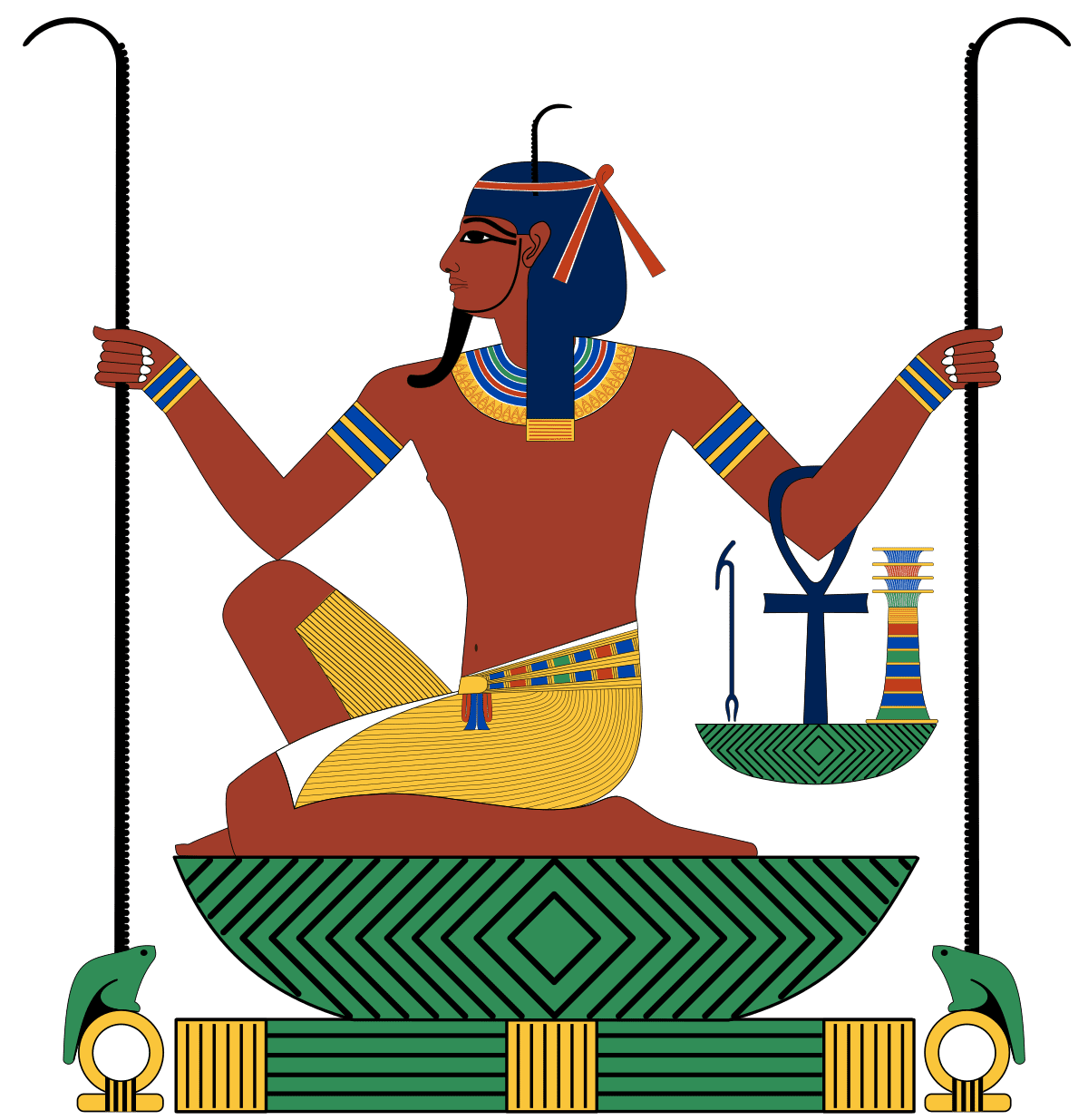
In the rich tapestry of Egyptian mythology, gods and goddesses played a crucial role in the lives of the ancient Egyptians. These deities were not just figures of worship but also represented various aspects of life, nature, and the cosmos. Each god and goddess had their own unique attributes and stories, deeply intertwined with the cultural and spiritual practices of the time. This article will explore the most significant deities, their characteristics, and their importance in Egyptian mythology.
The Major Gods of Egyptian Mythology
Among the most important figures in Egyptian mythology is Ra, the sun god. Ra was often depicted with a falcon head and a solar disk above it, symbolizing his power and dominion over the sky. The ancient Egyptians believed that Ra sailed across the sky in his solar boat, bringing light to the world. Every evening, he would descend into the underworld, battling the forces of chaos before rising again in the morning. This daily journey represented the cycle of life, death, and rebirth, which was a central theme in Egyptian belief.
 Ha
HaAnother significant deity is Osiris, the god of the afterlife and resurrection. Osiris is often depicted as a mummified king, holding a crook and flail, symbols of kingship and rulership. His story is one of tragedy and redemption, as he was murdered by his brother Set, only to be resurrected by his wife, Isis. This resurrection symbolized the hope for eternal life, and Osiris became the judge of the dead, determining who would enter the afterlife. His influence extended to the rituals of burial and mummification, which were crucial for ensuring a safe passage to the afterlife.
The Goddess Isis
Isis is one of the most revered goddesses in Egyptian mythology. She is often portrayed as a woman with a throne-shaped crown, symbolizing her role as the queen of the gods. Isis was known for her powerful magic and was considered the protector of the downtrodden and the vulnerable. Her devotion to her husband, Osiris, and her efforts to revive him after his death highlight her role as a nurturing and compassionate figure. She also played a significant role in the protection of children, making her a central figure in family worship.
Isis’s magical abilities were not just for healing; they also included the power to bring the dead back to life. This aspect of her character made her a vital part of the funerary practices in ancient Egypt. People would invoke her name in their prayers, hoping for her blessings and protection in their journeys to the afterlife. Her cult spread beyond Egypt, influencing various cultures and religions in the ancient world, showcasing her widespread importance.
 Geb
GebThe God Set
Set, also known as Seth, is often depicted as a figure of chaos and disorder. He is portrayed with the head of a mysterious animal, often referred to as the “Set animal,” which has a long snout and pointed ears. Set was the god of the desert, storms, and chaos, and his mythology revolves around conflict and struggle. His most notable story involves his rivalry with Osiris, which culminated in the murder of Osiris and the subsequent battles with his son, Horus, who sought to avenge his father.
Despite his negative traits, Set was also seen as a necessary force in the balance of the universe. The ancient Egyptians believed that chaos must exist alongside order, and Set’s role as the god of chaos was essential in maintaining this balance. His complex character reflects the duality present in Egyptian mythology, where gods could embody both good and evil, illustrating the multifaceted nature of existence.
The Importance of Horus
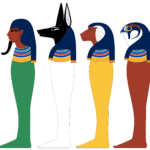 Sons Of Horus
Horus is one of the most significant deities in Egyptian mythology, often associated with kingship and the sky. He is typically depicted as a falcon or a man with a falcon head, symbolizing his connection to the heavens. The myth of Horus centers around his battle against Set to avenge his father, Osiris. This conflict is not just a personal vendetta but symbolizes the struggle between order and chaos, a recurring theme in Egyptian thought.
Horus’s victory over Set established him as the rightful ruler of Egypt, and he became the patron deity of the pharaohs. The pharaohs were often considered the living embodiment of Horus, reinforcing the idea that their rule was divinely sanctioned. This connection between Horus and the monarchy played a crucial role in legitimizing the power of the rulers and their divine right to govern.
The Role of Anubis
Anubis is another essential figure in Egyptian mythology, recognized as the god of mummification and the afterlife. He is depicted as a jackal or a man with a jackal head, symbolizing his association with death and the protection of the deceased. Anubis was believed to oversee the embalming process and was responsible for guiding souls to the afterlife. His role was crucial, as the ancient Egyptians placed great importance on the proper treatment of the dead to ensure their safe passage to the next world.
The Weighing of the Heart ceremony, in which Anubis weighed the heart of the deceased against the feather of Ma’at (the goddess of truth and justice), was a vital part of the judgment process. This ceremony determined whether a soul was worthy of entering the afterlife. Anubis’s involvement in this process highlights his significance as a guardian of the dead and a mediator between the living and the afterlife.
Ma’at: The Goddess of Truth and Order
Ma’at represents truth, balance, and cosmic order in Egyptian mythology. She is often depicted as a woman with an ostrich feather on her head, which symbolizes truth and justice. Ma’at was considered the foundation of society, and her principles were essential for maintaining harmony in both the cosmos and human affairs. The ancient Egyptians believed that the pharaoh was responsible for upholding Ma’at, and their reign was measured by their ability to maintain order and justice.
The concept of Ma’at was central to the legal and moral codes of ancient Egypt. People were expected to live by her principles, and the state was tasked with ensuring that justice was served. In the afterlife, Ma’at’s feather played a crucial role in determining the fate of souls during the Weighing of the Heart ceremony, further emphasizing her importance in both life and death.
The Creation Myths of Egypt
Creation myths in Egyptian mythology vary, but one of the most well-known stories involves the god Atum. According to this myth, Atum emerged from the primordial waters of chaos, known as Nun. He created himself and then produced the first gods, Shu (god of air) and Tefnut (goddess of moisture). Together, they represented the elements necessary for life. This creation story emphasizes the importance of order emerging from chaos, a theme that resonates throughout Egyptian mythology.
Another version of the creation myth involves the god Ptah, who created the world through thought and speech. He spoke the names of all things into existence, highlighting the power of language and intellect in shaping reality. These diverse creation myths reflect the ancient Egyptians’ attempts to understand their origins and the nature of the universe, showcasing their rich theological landscape.
Symbols and Art in Egyptian Mythology
The ancient Egyptians used a variety of symbols and artistic representations to convey their beliefs and values. Hieroglyphics, the writing system of ancient Egypt, was filled with symbols that represented sounds, words, and ideas. These symbols often had religious significance and were used in temples, tombs, and monuments to honor the gods and commemorate the dead. The art of ancient Egypt is characterized by its adherence to strict conventions, ensuring that figures were depicted in a way that communicated their status and role within society.
Many of the gods and goddesses were depicted in specific forms that conveyed their attributes. For example, Bastet, the goddess of home and fertility, was often shown as a lioness or a woman with a lioness head, symbolizing her fierce protective nature. The use of color in these artworks also held significance; for instance, green represented fertility and rebirth, while red symbolized chaos and disorder. Through these artistic expressions, the ancient Egyptians communicated their reverence for the divine and their understanding of the world around them.
The Afterlife in Egyptian Beliefs
The ancient Egyptians held a profound belief in the afterlife, which shaped their cultural practices and religious rituals. They believed that life continued after death, and the way one lived their life on Earth would determine their fate in the afterlife. This belief led to elaborate burial practices, including mummification, to preserve the body for eternity. The tombs were filled with items that the deceased might need in the afterlife, reflecting the Egyptians’ view of death as a continuation of life.
The Book of the Dead, a collection of spells and prayers, was created to guide the deceased through the afterlife. It contained instructions for navigating the challenges of the underworld and ensuring a safe passage to the realm of the dead. The emphasis on the afterlife is evident in the construction of the pyramids and tombs, which were designed to honor the deceased and provide them with a secure resting place. This focus on the afterlife underscores the central role of death and resurrection in Egyptian mythology.
Festivals and Worship
The ancient Egyptians celebrated numerous festivals dedicated to their gods and goddesses. These festivals were vibrant events that included rituals, feasting, and communal gatherings. One of the most important festivals was the Wepet-Renpet, marking the Egyptian New Year. It celebrated the annual flooding of the Nile, which was essential for agriculture. During this festival, people would offer sacrifices to the gods, thanking them for their blessings and seeking their favor for the coming year.
Worship of the gods was an integral part of daily life in ancient Egypt. Temples were constructed as sacred spaces where priests conducted rituals and offerings. These temples were adorned with intricate carvings and paintings depicting the gods and their stories. The priests played a crucial role in maintaining the temples and performing rituals, acting as intermediaries between the gods and the people. This relationship between the divine and the mortal world was fundamental to the Egyptians’ understanding of their place in the universe.
The Legacy of Egyptian Mythology
Egyptian mythology has left a lasting impact on culture, art, and religion throughout history. The stories of the gods and their interactions with humanity continue to captivate people around the world. Elements of Egyptian mythology can be seen in various forms of literature, film, and art, reflecting the timeless nature of these ancient beliefs. The fascination with Egyptian deities and their intricate narratives demonstrates the enduring power of mythology in shaping human understanding of existence.
The legacy of Egyptian mythology also extends to modern spiritual practices. Many people today draw inspiration from the ancient gods and goddesses, incorporating their symbolism and teachings into contemporary spiritual beliefs. This revival of interest in ancient Egyptian religion highlights the continued relevance of these myths and their ability to resonate with modern audiences. As we explore the stories and teachings of these ancient deities, we gain insight into the values and beliefs that shaped one of the most remarkable civilizations in history.