
In Roman mythology, the concept of Genius is a fascinating one that embodies the spirit of creativity, intellect, and inspiration. The term “Genius” is derived from the Latin word “genius,” which refers to a guiding spirit or deity that influences individuals, especially in their creative endeavors. This guiding spirit is believed to be responsible for a person’s talents and abilities, and it plays a crucial role in the understanding of Roman culture and belief systems. In this article, we will explore the various aspects of Genius, including its origins, its significance in Roman society, and its representation in art and literature.
Origins of Genius in Roman Mythology
The origins of the concept of Genius can be traced back to the early days of Roman religion. In ancient Rome, the Genius was often seen as a divine spirit that accompanied every individual from birth until death. This spirit was thought to protect and guide a person, influencing their decisions and actions throughout their life. The Romans believed that every person had their own unique Genius, which was a reflection of their character and potential. This idea underscores the importance of personal destiny and the belief that each individual has a specific purpose in life.
 Hercules
Genius was not only limited to individuals; it also extended to places and institutions. For example, the Genius of the Roman state was revered as a protector of the community and its values. This collective Genius was often invoked during public ceremonies and rituals, emphasizing the connection between the divine and the social order. Additionally, the Romans believed that the Genius of a place could influence its prosperity and well-being, making it a central figure in the worship of local deities.
Significance of Genius in Roman Society
The significance of Genius in Roman society cannot be overstated. It played a vital role in shaping the identity of individuals and the community as a whole. The belief in Genius fostered a sense of personal responsibility, as individuals were encouraged to cultivate their talents and pursue their passions. This emphasis on personal development was reflected in the Roman education system, which prioritized the study of rhetoric, philosophy, and the arts. Romans believed that by nurturing their Genius, they could contribute positively to society and achieve greatness.
Moreover, the concept of Genius was closely tied to the Roman ideals of honor and virtue. Individuals were expected to honor their Genius by living a life of integrity and excellence. This cultural expectation influenced many aspects of Roman life, from politics to the arts. Leaders and public figures were often evaluated based on their ability to embody the qualities associated with their Genius, which included wisdom, courage, and creativity. As a result, the pursuit of Genius became a driving force behind many of Rome’s achievements in various fields.
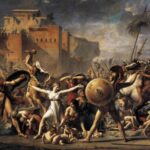 Hersilia
Genius in Roman Art and Literature
Genius is a recurring theme in Roman art and literature, reflecting its importance in the cultural landscape of the time. In visual arts, Genius was often depicted as a winged figure, symbolizing inspiration and divine guidance. Artists used this imagery to convey the idea that creativity was a gift from the gods, and that individuals should strive to honor their Genius through their work. Statues and reliefs featuring Genius can be found in various archaeological sites, showcasing the reverence the Romans had for this concept.
In literature, the theme of Genius is explored through the works of prominent Roman authors. Poets like Virgil and Ovid often personified Genius as a source of inspiration for their creative processes. For instance, in his epic poem “The Aeneid,” Virgil invokes the Muse to guide him in his writing, reflecting the belief that artistic talent is intertwined with divine influence. Similarly, Ovid’s “Metamorphoses” features characters who are inspired by their own Genius, leading them to achieve greatness or suffer tragic fates.
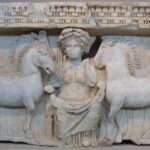 Hippona
Genius and the Roman Gods
The concept of Genius was also closely associated with the Roman pantheon of gods. Each deity had their own Genius, which represented their unique attributes and powers. For example, the Genius of Jupiter, the king of the gods, symbolized authority and justice, while the Genius of Venus, the goddess of love, represented beauty and desire. The Romans believed that by honoring these deities and their respective Geniuses, they could gain favor and support in their endeavors.
In addition to individual deities, the Romans also worshipped a collective Genius known as Genius Loci, the spirit of a specific place. This spirit was believed to protect the land and its inhabitants, and rituals were often performed to appease it. Temples and altars dedicated to Genius Loci can be found throughout ancient Rome, highlighting the importance of place and its influence on human life. The Romans understood that their success and well-being were interconnected with the spiritual forces that governed their environment.
Rituals and Practices Associated with Genius
The Romans engaged in various rituals and practices to honor their Genius and seek its guidance. One common practice was the offering of sacrifices, which could include food, wine, or other gifts. These offerings were made to both personal and collective Geniuses, reflecting the belief that reciprocity was essential in maintaining a harmonious relationship with the divine. The Romans often held ceremonies to celebrate significant life events, such as birth, marriage, and death, during which they would invoke the blessings of their Genius.
- Birth Rituals: During childbirth, families would invoke the Genius of the newborn, seeking protection and guidance as the child entered the world.
- Marriage Ceremonies: Couples would honor their respective Geniuses, asking for support in their new life together.
- Funeral Rites: At funerals, the Genius of the deceased was acknowledged, ensuring a smooth transition to the afterlife.
These rituals served not only to honor the Genius but also to reinforce the social bonds within families and communities. By participating in these practices, individuals were reminded of their connection to the divine and their responsibility to live in accordance with their Genius. This collective approach to spirituality fostered a sense of unity and shared purpose among the Roman people.
Modern Interpretations of Genius
In contemporary times, the concept of Genius has evolved, but its essence remains relevant. The idea that individuals possess unique talents and abilities continues to inspire people across various fields. Modern psychology often discusses the concept of “flow,” a state of heightened creativity and productivity that aligns closely with the ancient understanding of Genius. Just as the Romans believed that Genius could guide and inspire, today’s thinkers recognize the importance of nurturing one’s creative spirit.
Moreover, the influence of Roman mythology on modern culture is evident in the arts, literature, and popular media. The term “genius” is frequently used to describe individuals who exhibit exceptional talent or creativity, drawing on the legacy of the Roman understanding of the concept. Artists, musicians, and writers are often celebrated for their Genius, and the idea of inspiration as a divine gift continues to resonate in creative circles.
The concept of Genius in Roman mythology offers a profound insight into the values and beliefs of ancient Rome. It highlights the significance of personal responsibility, creativity, and the connection between the divine and human endeavors. Through its representation in art, literature, and rituals, Genius remains a powerful symbol of inspiration and potential, influencing how we understand creativity and talent in the modern world. By exploring the rich tapestry of Genius in Roman mythology, we can appreciate the enduring legacy of this concept and its relevance to our lives today.