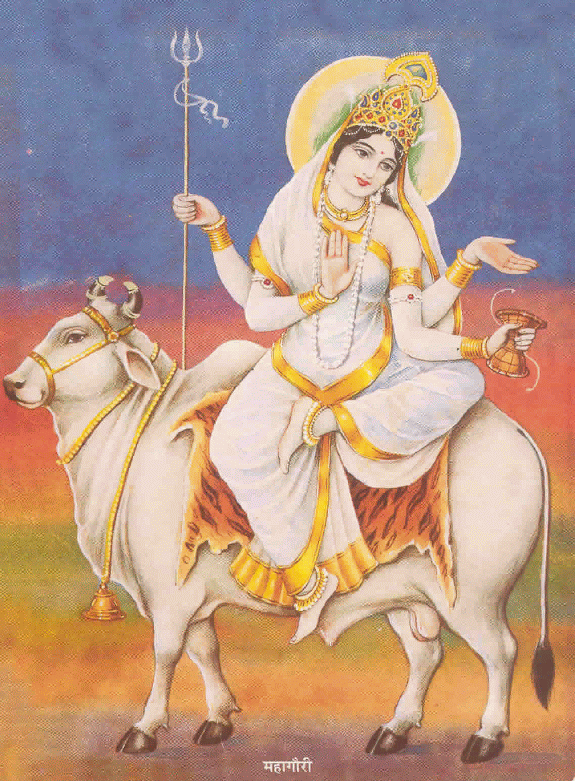
In Hindu mythology, Gauri is a revered goddess, often associated with purity, fertility, and the power of creation. She is considered a form of Parvati, the wife of Lord Shiva, and embodies the essence of feminine energy. Gauri is depicted as a beautiful woman with a serene demeanor, often adorned in white or yellow attire, symbolizing her purity and grace. Her stories and legends are integral to understanding the broader narratives within Hindu mythology, where she plays a significant role in various religious texts and rituals.
Origins of Gauri
The origins of Gauri can be traced back to ancient texts and scriptures. She is believed to be the daughter of the mountain king Himalaya and queen Mena. According to myth, Gauri performed severe penance to win the love of Lord Shiva. Her dedication and devotion are highlighted in numerous tales, illustrating her unwavering love and commitment. This aspect of her character resonates deeply with devotees, who see her as a symbol of determination and strength.
 Gauri
GauriGauri is also known by other names, including Uma and Shakti, which further emphasize her multifaceted nature. Each name carries specific meanings and attributes, enriching her character in the mythological framework. The stories of her birth and her union with Shiva reflect the themes of love, sacrifice, and the cosmic balance between male and female energies.
Symbolism of Gauri
The symbolism of Gauri is profound and multifaceted. She represents fertility and prosperity, making her a significant figure for couples seeking to conceive. Her association with the earth and nature underscores her role as a nurturing force. In many rituals, she is invoked to bless families with children and to ensure their well-being. The festivals dedicated to her, such as Gauri Puja, highlight her importance in the lives of her devotees.
Gauri is often depicted with various attributes that symbolize her divine powers. For instance, she is frequently shown holding a trident, which signifies her strength and ability to overcome obstacles. Additionally, her gentle demeanor contrasts with her fierce aspect, represented in her other forms, such as Durgā or Kālī. This duality illustrates the complexity of feminine energy in Hindu mythology, where the nurturing and the fierce coexist harmoniously.
 Garuda
Gauri in Festivals
One of the most celebrated festivals honoring Gauri is Gauri Tritiya, particularly observed in the state of Maharashtra. This festival marks the arrival of Gauri to the homes of devotees, who prepare elaborate decorations and offerings. The rituals performed during this time are filled with joy and reverence, reflecting the deep connection between the goddess and her devotees. Women play a crucial role in these celebrations, showcasing their devotion through songs, dances, and traditional rituals.
During Gauri Tritiya, people create clay idols of the goddess and place them in their homes. These idols are often adorned with beautiful garments and jewelry, symbolizing the beauty and grace of Gauri. The festival culminates in a grand celebration where families come together to share meals, sing devotional songs, and express their gratitude to the goddess. This communal aspect reinforces the idea of togetherness and the blessings that Gauri brings to families.
Gauri’s Relationship with Shiva
The relationship between Gauri and Shiva is one of the most compelling narratives in Hindu mythology. Their love story is filled with trials and tribulations, showcasing the strength of their bond. Gauri’s determination to win Shiva’s heart is a central theme, emphasizing the importance of love and devotion. Despite Shiva’s ascetic nature and initial indifference, Gauri’s unwavering faith ultimately leads to their union.
 Ganga
GangaIn various texts, Gauri is depicted as a devoted wife who supports Shiva in his endeavors. Their relationship symbolizes the balance of Shakti and Shiva, representing the dynamic interplay between energy and consciousness. This balance is crucial for the creation and sustenance of the universe. Devotees often look to their relationship as a model for their own marriages, highlighting the virtues of love, patience, and mutual respect.
Legends of Gauri
Numerous legends surround Gauri, each offering unique insights into her character and significance. One popular tale narrates how she transformed into Gauri from her previous incarnation as Sati. After Sati’s self-immolation, she was reborn as Gauri to reunite with Shiva. This story highlights themes of rebirth and the enduring nature of love, illustrating that true love transcends lifetimes.
Another legend tells of Gauri’s fierce form, where she becomes Durgā to combat the buffalo demon Mahishasura. In this form, she showcases her warrior aspect, fighting against evil and protecting the universe. This duality in her character, from a nurturing mother to a fierce warrior, exemplifies the diverse aspects of femininity celebrated in Hindu mythology.
Worship and Rituals
Worshiping Gauri involves various rituals and practices that vary by region and tradition. Many devotees create altars adorned with flowers, fruits, and sweets, offering their prayers and gratitude. The rituals often include chanting mantras dedicated to Gauri, invoking her blessings for health, prosperity, and happiness. These practices foster a deep sense of connection between the devotees and the goddess, reinforcing their faith and devotion.
In some communities, specific days are set aside for Gauri worship, particularly during the monsoon season. These occasions are marked by communal gatherings, where families come together to celebrate and perform rituals. The atmosphere is filled with joy and devotion, as people express their love for Gauri through music, dance, and traditional festivities. Such events serve to strengthen community bonds and keep the cultural traditions alive.
Gauri in Art and Literature
Gauri’s influence extends beyond religious practices into the realms of art and literature. She is a popular subject in paintings, sculptures, and classical dance forms. Artists often depict her in various poses, showcasing her beauty and grace. The intricate details in these artworks reflect the reverence that devotees hold for her, capturing her essence in visual form.
In literature, Gauri is featured in many ancient texts, including the Purāṇas and Mahābhārata. These texts provide rich narratives about her life, her relationships, and her significance within the Hindu pantheon. Poets and writers have also drawn inspiration from her stories, creating beautiful verses that celebrate her virtues. This literary tradition keeps her memory alive and allows new generations to connect with her legacy.
Modern Interpretations of Gauri
In contemporary society, Gauri continues to be a source of inspiration for many. Her stories are often retold in various forms, including films, television shows, and theater. These modern interpretations highlight her relevance in today’s world, emphasizing themes of empowerment, resilience, and love. By presenting Gauri’s character in new contexts, creators ensure that her legacy remains vibrant and accessible to all.
Moreover, Gauri is increasingly recognized as a symbol of women’s strength and independence. Many feminists and scholars explore her stories to discuss the roles of women in society, drawing parallels between her experiences and the challenges faced by women today. This reinterpretation encourages a dialogue about gender equality and the celebration of feminine power, making Gauri a timeless figure in the quest for social justice.
Gauri’s Influence on Devotees
The influence of Gauri on her devotees is profound and far-reaching. Many people turn to her for guidance, support, and blessings in their daily lives. Her stories of perseverance and love inspire individuals to face challenges with courage and determination. Devotees often find solace in her teachings, using her narratives as a source of strength during difficult times.
Gauri’s role as a nurturing mother figure resonates deeply with many. She is often seen as a protector and caretaker, providing comfort and reassurance to her devotees. This maternal aspect encourages individuals to cultivate compassion and empathy in their own lives, fostering a sense of community and connection. Through her influence, Gauri instills values that promote harmony and understanding among people.
Gauri in Popular Culture
In recent years, Gauri has found a place in popular culture, where her character is celebrated in various forms of media. From television shows that dramatize her stories to social media campaigns that highlight her significance, Gauri’s presence is felt across platforms. These representations not only entertain but also educate audiences about her importance in Hindu mythology.
Moreover, fashion and art inspired by Gauri are gaining popularity, with designers incorporating her imagery and symbolism into their works. This trend reflects a growing appreciation for cultural heritage and the desire to connect with traditional narratives. By embracing Gauri in popular culture, individuals celebrate their roots while also making her stories relevant to contemporary society.
The Global Reach of Gauri
Gauri’s influence extends beyond the borders of India, reaching a global audience. With the Indian diaspora spreading across the world, the worship of Gauri has found its way into various cultures. Temples dedicated to her have been established in different countries, where devotees gather to celebrate her festivals and rituals. This globalization of Gauri’s worship highlights her universal appeal and the shared values of love, devotion, and strength.
In addition, interfaith dialogues often include discussions about Gauri and her significance in promoting understanding and respect among different cultures. Her stories resonate with themes of love and sacrifice, making her a figure that transcends religious boundaries. This aspect of Gauri’s influence encourages a broader appreciation for diversity and the interconnectedness of human experiences.
Gauri’s Legacy
The legacy of Gauri continues to thrive in modern society. As a goddess who embodies strength, love, and resilience, she serves as an enduring symbol for many. Her stories are passed down through generations, keeping her memory alive in the hearts of her devotees. Gauri’s influence is evident in various aspects of life, from religious practices to cultural expressions, demonstrating her timeless relevance.
As people continue to seek inspiration from her narratives, Gauri remains a powerful figure in Hindu mythology. Her teachings encourage individuals to embrace their inner strength and pursue their dreams with determination. This legacy of empowerment ensures that Gauri will continue to inspire future generations, reinforcing her status as a beloved goddess in the pantheon of Hindu deities.