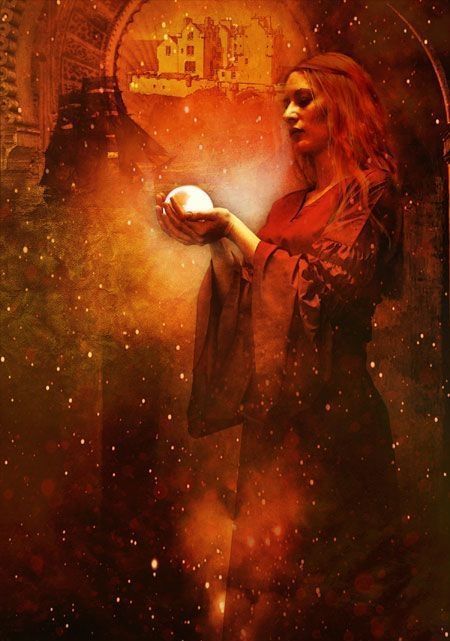
In Lithuanian mythology, Gabija is a significant figure often associated with the hearth and fire. She is considered the goddess of the hearth, and her presence is vital in the daily lives of the people. Gabija embodies warmth, home, and family, representing the nurturing aspect of fire that provides comfort and sustenance. In many cultures, fire is not just a source of light and heat; it also symbolizes life and protection. In Lithuanian traditions, Gabija plays a central role in rituals and beliefs surrounding the hearth, making her an essential deity in the pantheon.
Origins of Gabija
The origins of Gabija can be traced back to ancient Baltic traditions, where fire was revered and seen as a sacred element. In these early beliefs, fire was not only a physical necessity but also a spiritual entity. Gabija is often depicted as a protective figure who watches over the home and its inhabitants. The importance of the hearth in Lithuanian households cannot be overstated, as it was the center of family life and activity. This centrality of the hearth led to the development of various myths and stories surrounding Gabija, highlighting her role as a guardian of domestic life.
 Egle
EgleAccording to folklore, Gabija is believed to have emerged from the flames themselves. This connection to fire gives her a unique status among the deities in Lithuanian mythology. She is often described as having a warm and glowing presence, symbolizing the light and heat that fire brings to a home. The reverence for Gabija is reflected in various rituals that were performed to honor her, ensuring that the hearth remained lit and the family safe. People believed that neglecting the hearth could lead to misfortune, as it would mean displeasing Gabija.
Symbolism of Fire
Fire holds profound symbolism in many cultures, and in Lithuanian mythology, it is no different. Gabija represents the dual nature of fire: it can provide warmth and comfort, but it can also be destructive if not handled properly. This duality is a significant aspect of her character. In many stories, Gabija is portrayed as a nurturing mother who offers protection to her children, symbolizing the positive aspects of fire. However, she also serves as a reminder of the dangers of fire, urging people to respect and honor its power.
- Warmth: Gabija brings warmth to the home, making it a safe place for families.
- Protection: She protects the household from evil spirits and misfortune.
- Destruction: Fire can also cause destruction, reminding people to handle it with care.
The symbolism of fire extends beyond mere physical attributes. In many traditions, fire represents transformation and purification. Gabija’s association with the hearth signifies a place of transformation, where raw ingredients are turned into nourishing meals. This transformation is not only physical but also metaphorical, as it represents the growth and development of individuals and families. By honoring Gabija, families acknowledge the importance of this transformation and the role that fire plays in their lives.
 Perkunas
Rituals and Offerings
Rituals dedicated to Gabija were common in ancient Lithuanian culture. These rituals often involved making offerings to ensure her favor and protection. One of the most significant practices was the maintenance of the hearth fire. Families would take great care to keep the fire burning, as it was believed that a constantly lit hearth would please Gabija. If the fire accidentally went out, it was seen as a bad omen, and special rituals would be performed to reignite it.
Offerings to Gabija typically included bread, grains, and other food items. These offerings symbolized gratitude for the warmth and sustenance provided by the hearth. In some traditions, families would place a piece of bread or a small cake near the hearth as a way to honor her. This act was a reminder of the connection between the family and the goddess, reinforcing the importance of the hearth in their daily lives.
 Dimstipatis
Gabija in Folklore
Gabija appears in various tales and legends within Lithuanian folklore. One popular story tells of a young girl who, seeking to protect her family, makes a pact with Gabija. In exchange for keeping the hearth fire alive, the goddess grants her family safety and prosperity. This tale highlights the reciprocal relationship between humans and deities in Lithuanian mythology. It emphasizes the idea that honoring Gabija leads to blessings and protection.
Another common theme in folklore is the idea of Gabija as a protector against malevolent forces. In many stories, she is depicted as battling evil spirits that threaten the household. Her fierce devotion to her role as the guardian of the hearth makes her a formidable force against darkness. These tales not only entertain but also serve to reinforce the importance of maintaining a harmonious home environment, where Gabija’s protective presence can be felt.
Modern Interpretations
Today, Gabija continues to be a symbol of warmth and family in Lithuanian culture. Many people still honor the traditions associated with the hearth and fire, recognizing the goddess’s role in their lives. While modern households may not rely on a traditional hearth, the symbolism of Gabija remains relevant. The values of home, family, and protection are universal, transcending time and cultural changes.
In contemporary society, some people celebrate Gabija during festivals or special occasions, lighting candles and gathering around the home to share stories and food. These gatherings serve as a way to connect with the past and honor the traditions of their ancestors. By doing so, they keep the spirit of Gabija alive, ensuring that the values she represents continue to be passed down through generations.
Gabija is a fascinating figure in Lithuanian mythology, representing the hearth and fire’s nurturing aspects. Her significance in rituals, folklore, and modern interpretations highlights the importance of family, warmth, and protection in people’s lives. As a goddess, Gabija embodies the spirit of the home, reminding us of the power of fire and the bonds that unite families. Through her stories and the rituals dedicated to her, Gabija remains a vital part of Lithuanian cultural identity.