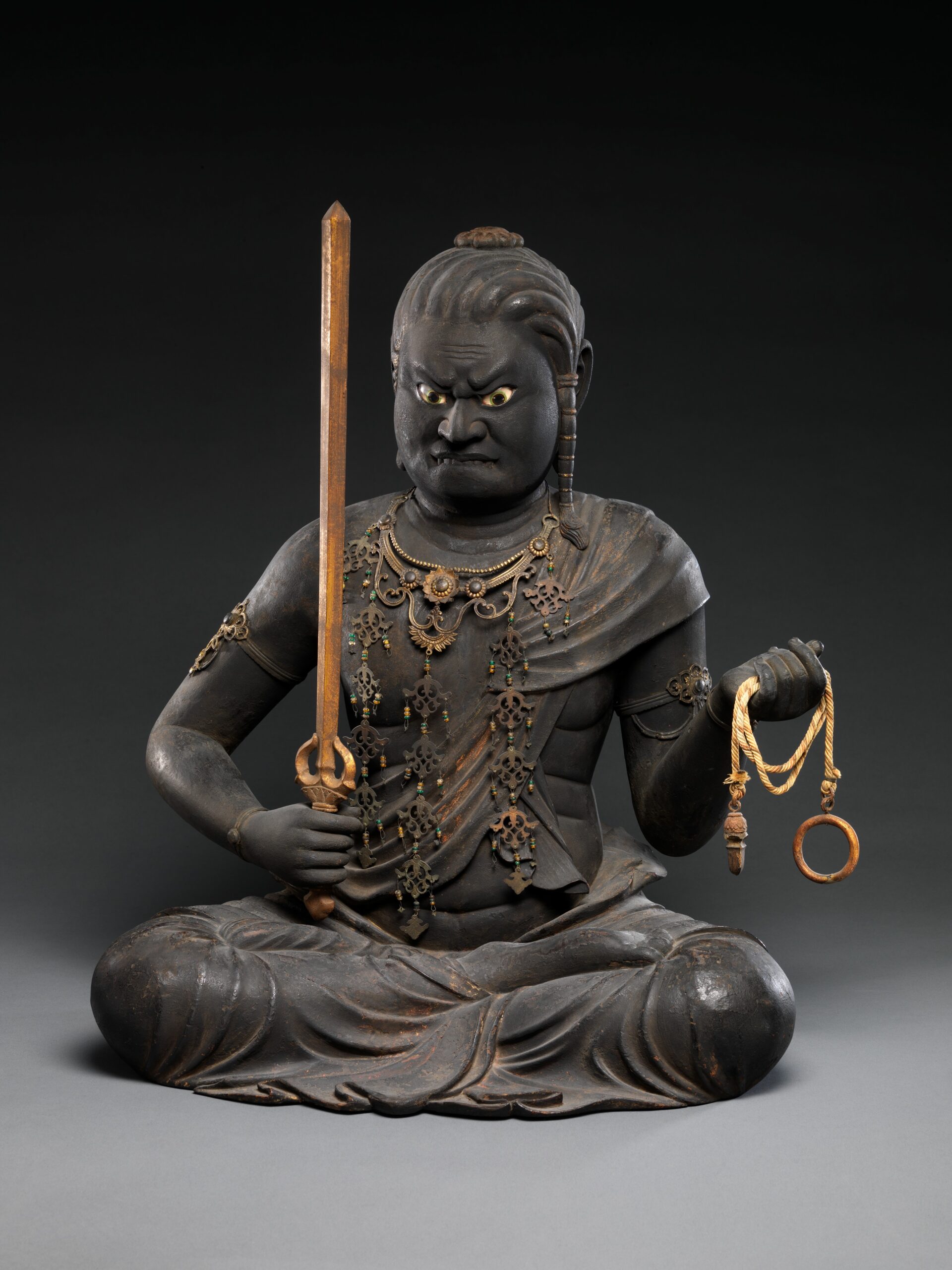
Fudo, also known as Fudō Myōō, is a prominent figure in Buddhist mythology. He is revered as a protector of the Buddhist faith and is often associated with the transformation of ignorance into wisdom. His name translates to “Immovable One,” which reflects his unyielding nature and his role in overcoming obstacles. Fudo is often depicted in a fierce manner, symbolizing the power to cut through delusion and ignorance. His iconography and teachings have left a lasting impact on various cultures, especially in Japan, where he is widely worshiped.
Origins of Fudo
The origins of Fudo can be traced back to ancient Indian Buddhism, where he is known as a guardian deity. As Buddhism spread to different regions, Fudo’s character evolved, adapting to the local beliefs and practices. In Japan, Fudo became an important figure in the esoteric Buddhist tradition known as Shingon. His teachings emphasize the importance of discipline and determination in the spiritual journey. This adaptability allowed Fudo to resonate with many followers, solidifying his place in Buddhist mythology.
 Si Da Tian Wang
Fudo is often associated with the Five Wisdom Kings, a group of deities that embody various aspects of wisdom and enlightenment. Each king represents a different form of wisdom, and Fudo is specifically linked to the wisdom that arises from the experience of suffering. This connection highlights the belief that overcoming challenges can lead to greater understanding and spiritual growth. Fudo’s fierce demeanor serves as a reminder that the path to enlightenment is not always gentle; it often requires confronting one’s fears and limitations.
Iconography of Fudo
Fudo is typically depicted in a striking and powerful manner. He is shown with a fierce expression, often with a sword in one hand and a rope in the other. The sword symbolizes his ability to cut through ignorance and delusion, while the rope represents his power to bind negative forces. This duality in his representation emphasizes his role as both a protector and a guide on the path to enlightenment. His image is often surrounded by flames, which signify the purification of negative emotions and the transformative power of wisdom.
Another important aspect of Fudo’s iconography is his posture. He is usually depicted standing or seated in a dynamic pose, reflecting his immovable nature. This stance serves as a reminder to practitioners that they must remain steadfast in their pursuit of enlightenment, regardless of the challenges they face. Additionally, Fudo is often portrayed alongside various attendants, who assist him in his protective duties. These attendants symbolize the support that practitioners receive on their spiritual journey, highlighting the importance of community in the pursuit of wisdom.
 Emma-o
Fudo in Japanese Buddhism
In Japan, Fudo is primarily worshiped within the Shingon and Tendai schools of Buddhism. His popularity can be attributed to the belief that he offers protection from harm and guidance in overcoming life’s challenges. Many temples are dedicated to Fudo, where practitioners engage in rituals and prayers to seek his blessings. These practices often involve chanting his mantra, which is believed to invoke his protective powers and facilitate spiritual growth. The reverence for Fudo in Japan reflects the broader cultural appreciation for deities that embody strength and resilience.
Fudo is also associated with various festivals and ceremonies throughout Japan. One notable event is the Fudo Matsuri, which takes place in several temples dedicated to him. During this festival, devotees gather to participate in rituals that honor Fudo and seek his guidance. The festivities often include processions, offerings, and communal prayers, creating a sense of unity among practitioners. Such events highlight the deep cultural significance of Fudo in Japanese society and the enduring belief in his protective powers.
Teachings of Fudo
The teachings of Fudo emphasize the importance of facing one’s fears and challenges head-on. He embodies the idea that true wisdom comes from confronting adversity and transforming it into strength. This principle resonates with many practitioners, as it encourages them to embrace their struggles rather than shy away from them. Fudo’s teachings often stress the value of discipline and perseverance in the spiritual journey, reminding followers that progress is often achieved through hard work and determination.
 Eightfold Way
In addition to personal strength, Fudo’s teachings also highlight the interconnectedness of all beings. His role as a protector extends beyond the individual; it encompasses the well-being of the community. This perspective encourages practitioners to cultivate compassion and empathy, recognizing that their actions can impact others. Fudo’s teachings thus serve as a reminder that the path to enlightenment is not solely a personal endeavor; it involves a commitment to the welfare of all sentient beings.
Fudo in Art and Literature
Fudo has inspired countless works of art and literature throughout history. His fierce image has been captured in various forms, including paintings, sculptures, and woodblock prints. Artists often depict him in dynamic poses, emphasizing his strength and determination. These artistic representations serve not only as religious icons but also as cultural artifacts that reflect the values and beliefs of the societies that created them. Fudo’s portrayal in art illustrates the enduring fascination with his character and the profound impact he has had on the artistic landscape.
Literature also plays a significant role in the depiction of Fudo’s teachings and stories. Many texts explore his mythological origins, his role as a protector, and the lessons he imparts to practitioners. These narratives often serve as moral tales, illustrating the virtues of courage, perseverance, and compassion. By engaging with these stories, followers can deepen their understanding of Fudo’s teachings and apply them to their own lives. Literature surrounding Fudo thus becomes a valuable resource for those seeking guidance on their spiritual journey.
Modern Interpretations of Fudo
In contemporary society, Fudo continues to resonate with many individuals seeking spiritual guidance and strength. His teachings are often interpreted in a modern context, addressing the challenges faced in today’s fast-paced world. Many practitioners find solace in Fudo’s message of resilience, using it as a source of inspiration to navigate personal and societal struggles. This modern interpretation emphasizes the relevance of ancient teachings in addressing contemporary issues, demonstrating that the wisdom of Fudo remains applicable across generations.
Furthermore, Fudo’s image has been embraced in various forms of popular culture, from anime and manga to films and literature. These representations often highlight his fierce demeanor and protective nature, appealing to audiences who resonate with themes of strength and resilience. Such portrayals serve to introduce Fudo to new audiences, fostering a broader understanding of his significance in Buddhist mythology. By engaging with Fudo in modern contexts, individuals can explore the timeless lessons he offers while also connecting with a rich cultural heritage.
Rituals and Practices Associated with Fudo
Practices associated with Fudo often involve rituals that seek to invoke his protective powers and wisdom. One common ritual is the Goma
Another practice involves the recitation of Fudo’s mantra, which is believed to bring about protection and clarity. Devotees often chant this mantra during meditation, seeking to connect with Fudo’s energy and guidance. This practice fosters a sense of inner strength and resilience, encouraging individuals to confront their challenges with courage. Through these rituals, practitioners can deepen their connection to Fudo, integrating his teachings into their daily lives.
Fudo’s Influence on Other Religions
Fudo’s influence extends beyond Buddhism, impacting various religious and spiritual traditions. In Shinto, Japan’s indigenous religion, Fudo is sometimes associated with certain kami (deities), reflecting the syncretic nature of Japanese spirituality. This blending of beliefs highlights the adaptability of Fudo’s teachings, allowing them to resonate with diverse audiences. As such, Fudo serves as a bridge between different spiritual practices, emphasizing the universal quest for understanding and enlightenment.
Moreover, Fudo’s themes of resilience and protection have found their way into modern spiritual movements. Many individuals drawn to new-age philosophies resonate with his message of overcoming obstacles and embracing personal growth. Fudo’s teachings are often integrated into various self-help practices, reflecting the timeless relevance of his wisdom. This cross-pollination of ideas illustrates how Fudo’s influence transcends traditional boundaries, reaching individuals seeking guidance in their spiritual journeys.
Fudo’s enduring presence in Buddhist mythology is a testament to his significance as a protector and guide. His teachings of resilience, discipline, and compassion continue to inspire individuals across cultures and generations. Through rituals, art, and literature, Fudo’s message remains accessible, inviting practitioners to embrace their challenges and transform them into opportunities for growth. As individuals navigate the complexities of modern life, Fudo stands as a powerful symbol of strength and wisdom, reminding us of the transformative power of the spiritual journey.