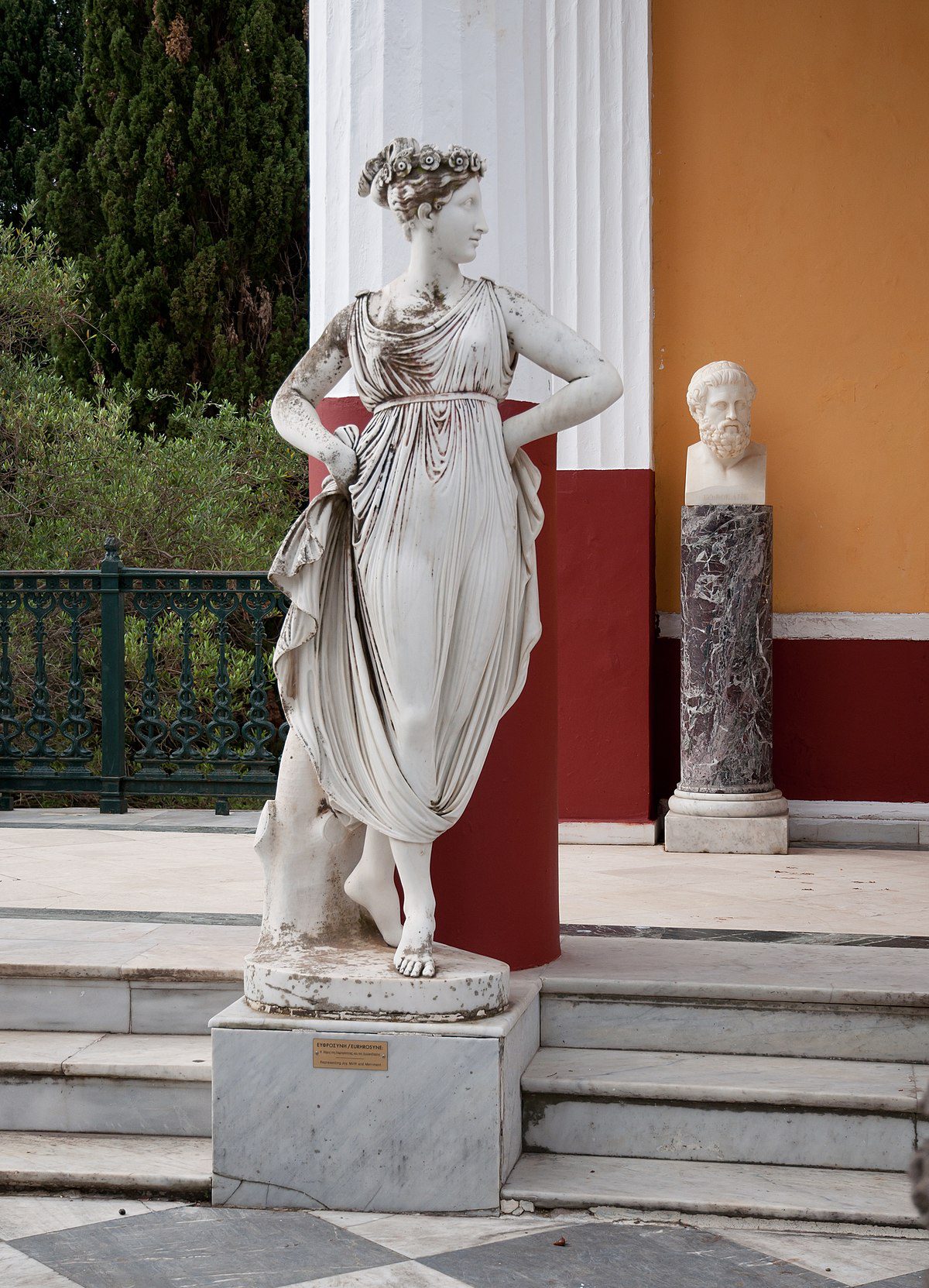
Euphrosyne is one of the three Graces in Greek mythology, often associated with joy, beauty, and charm. Together with her sisters, Aglaea and Thalia, Euphrosyne represents a vital aspect of life that emphasizes happiness and the pleasure of living. The Graces were thought to embody the idea of joy and were often depicted as beautiful young women who brought delight and inspiration to both gods and mortals. Their presence was believed to enhance the beauty of nature and to bring joy to celebrations, art, and music. This article delves into the significance of Euphrosyne, her relationships, and her influence on culture and art throughout history.
The Role of Euphrosyne in Greek Mythology
Euphrosyne plays a crucial role in the pantheon of Greek deities as a symbol of happiness and beauty. As one of the Graces, she is often depicted in various artistic representations, where she embodies the spirit of joy and the pleasures of life. The Graces were believed to be daughters of Zeus and the Oceanid Eurynome, and their primary function was to bring joy to both the gods and humanity. Euphrosyne, in particular, is associated with the joy that comes from beauty and art, often inspiring poets, musicians, and artists in their creative endeavors.
 Europa
The Graces, including Euphrosyne, were also known to accompany other deities, such as Aphrodite, the goddess of love and beauty. Their presence enhanced the allure of any gathering, making them essential figures in the context of celebrations, festivals, and artistic performances. Euphrosyne, with her radiant charm, was often invoked to bless events with happiness and harmony, making her a favorite among both mortals and gods.
Euphrosyne and Her Sisters
Euphrosyne is part of a trio known as the Graces, which includes her sisters Aglaea and Thalia. Each sister embodies a unique aspect of grace and beauty. Aglaea represents beauty and adornment, while Thalia embodies festivity and abundance. Together, they form a harmonious unit that celebrates the various dimensions of joy and pleasure in life. This unity is crucial in understanding their collective impact on Greek culture, as they were often depicted together in various forms of art and literature.
The bond between Euphrosyne and her sisters is a representation of the idea that joy and beauty are interconnected. Their combined presence signifies that true happiness comes from a blend of aesthetic beauty, social celebration, and personal fulfillment. In ancient Greek society, this triad of Graces would often be invoked during various rituals and festivities, highlighting the importance of joy in everyday life.
 Eurus
EurusDepictions of Euphrosyne in Art
Euphrosyne has been depicted in numerous works of art throughout history. Artists from ancient Greece to the Renaissance have drawn inspiration from her image, often portraying her as a beautiful, youthful woman, radiating joy and grace. In classical sculptures and paintings, Euphrosyne is frequently shown alongside her sisters, emphasizing their unity and shared purpose. These artistic representations serve not only to celebrate beauty but also to convey deeper philosophical meanings about the nature of joy and happiness.
- In ancient pottery, Euphrosyne is often depicted dancing or participating in celebrations.
- Renaissance artists portrayed her in more elaborate settings, often surrounded by symbols of love and beauty.
- Modern interpretations of Euphrosyne continue to explore themes of joy, creativity, and inspiration.
One of the most famous depictions of Euphrosyne can be found in the works of the Italian painter Sandro Botticelli. His painting, “The Birth of Venus,” although primarily focused on the goddess Venus, features the Graces in the background, symbolizing the joy and beauty that accompanies love. This connection highlights the integral role Euphrosyne and her sisters played in the broader context of Greek mythology and its influence on art.
The Influence of Euphrosyne on Literature
Euphrosyne’s influence extends beyond visual art into the realm of literature. Poets and playwrights throughout history have drawn upon her character to evoke themes of joy, beauty, and the celebration of life. In ancient texts, she is often invoked in hymns and poetry as a muse, inspiring creativity and artistic expression. The Graces, including Euphrosyne, symbolize the idea that beauty and joy are essential components of a fulfilling life.
 Euryale
In the works of ancient playwrights like Euripides and Sophocles, references to the Graces appear as symbols of the joy that can accompany love and friendship. Euphrosyne, in particular, is often associated with the lighter aspects of human experience, providing a counterbalance to the more tragic elements found in Greek drama. This duality reflects the complexity of human emotions, where joy and sorrow coexist, and Euphrosyne serves as a reminder of the beauty that can emerge even in difficult times.
Euphrosyne in Modern Culture
The legacy of Euphrosyne continues to thrive in modern culture, where her name and essence are often invoked in various contexts. From literature to film and fashion, the spirit of Euphrosyne remains a source of inspiration for those seeking to capture the beauty and joy of life. In contemporary literature, authors frequently refer to the Graces as symbols of creativity and inspiration, encouraging readers to embrace the lighter side of life.
- In films, characters embodying the qualities of Euphrosyne often represent joy and optimism.
- Fashion designers draw on the idea of grace and beauty, often naming collections after the Graces.
- Music and dance performances frequently celebrate themes of joy and beauty, reminiscent of Euphrosyne’s influence.
Moreover, Euphrosyne’s representation in modern media often highlights the importance of self-expression and the celebration of individuality. As society evolves, the values that Euphrosyne embodies—joy, beauty, and creativity—remain relevant, encouraging people to seek happiness and inspiration in their lives.
The Symbolism of Euphrosyne
Euphrosyne is rich in symbolism, representing not only joy but also the idea that beauty can uplift the human spirit. Her character serves as a reminder that happiness is not merely the absence of sorrow but an active pursuit of beauty and joy in everyday life. In this sense, Euphrosyne encourages individuals to cultivate a sense of appreciation for the world around them, embracing the moments of joy that life offers.
Furthermore, Euphrosyne’s association with the arts highlights the belief that creativity is a vital source of happiness. Artists, musicians, and writers often channel their emotions into their work, finding solace and joy in the act of creation. Euphrosyne embodies this connection, suggesting that the pursuit of beauty and artistic expression is essential for a fulfilling life.
Euphrosyne and Celebrations
The presence of Euphrosyne in Greek mythology also emphasizes the importance of celebration in human life. Festivals dedicated to the Graces were common in ancient Greece, where people would gather to honor these deities through music, dance, and feasting. These celebrations served as an opportunity for communities to come together, fostering a sense of joy and unity among participants.
During these festivals, Euphrosyne and her sisters were often invoked to bless the events with happiness and grace. The rituals surrounding these celebrations were designed to enhance the communal spirit, reminding individuals of the importance of joy in their lives. In this way, Euphrosyne’s influence extends beyond the individual, impacting the collective experience of joy within society.
The Legacy of Euphrosyne
Euphrosyne’s legacy continues to resonate in contemporary culture, serving as a symbol of joy and beauty that transcends time. Her character reminds us of the importance of finding happiness in the simple pleasures of life, whether through art, nature, or human connection. The enduring appeal of Euphrosyne is a testament to the universal desire for joy and beauty, values that remain relevant in today’s fast-paced world.
As society continues to navigate challenges and uncertainties, the spirit of Euphrosyne encourages individuals to seek out moments of joy and to celebrate the beauty that exists in their lives. Her legacy serves as a guiding light, inspiring generations to embrace happiness and creativity as essential components of a fulfilling existence.
Euphrosyne in Comparative Mythology
The concept of a deity representing joy and beauty is not unique to Greek mythology; similar figures can be found in various cultures around the world. For instance, in Roman mythology, the Graces were known as the Gratiae, who similarly embodied charm, beauty, and joy. This parallel highlights the universal appreciation for the qualities that Euphrosyne represents, transcending cultural boundaries.
In other mythological traditions, deities associated with joy often play crucial roles in celebrations and rituals. For example, in Hindu mythology, the goddess Lakshmi is revered for her association with wealth, prosperity, and joy. The common thread among these figures is the recognition of joy as an essential aspect of life, emphasizing the need for balance between happiness and the challenges that individuals face.
Conclusion of Euphrosyne’s Influence
Euphrosyne remains a powerful symbol of joy and beauty in both ancient and modern contexts. Her character, along with her sisters, has inspired countless works of art, literature, and cultural practices throughout history. As a representation of the pursuit of happiness and the appreciation of beauty, Euphrosyne encourages individuals to embrace the joyful moments in life, fostering a deeper connection with themselves and the world around them. The enduring legacy of Euphrosyne serves as a reminder that joy is not merely an emotion but a way of life, one that enriches the human experience and brings people together in celebration.