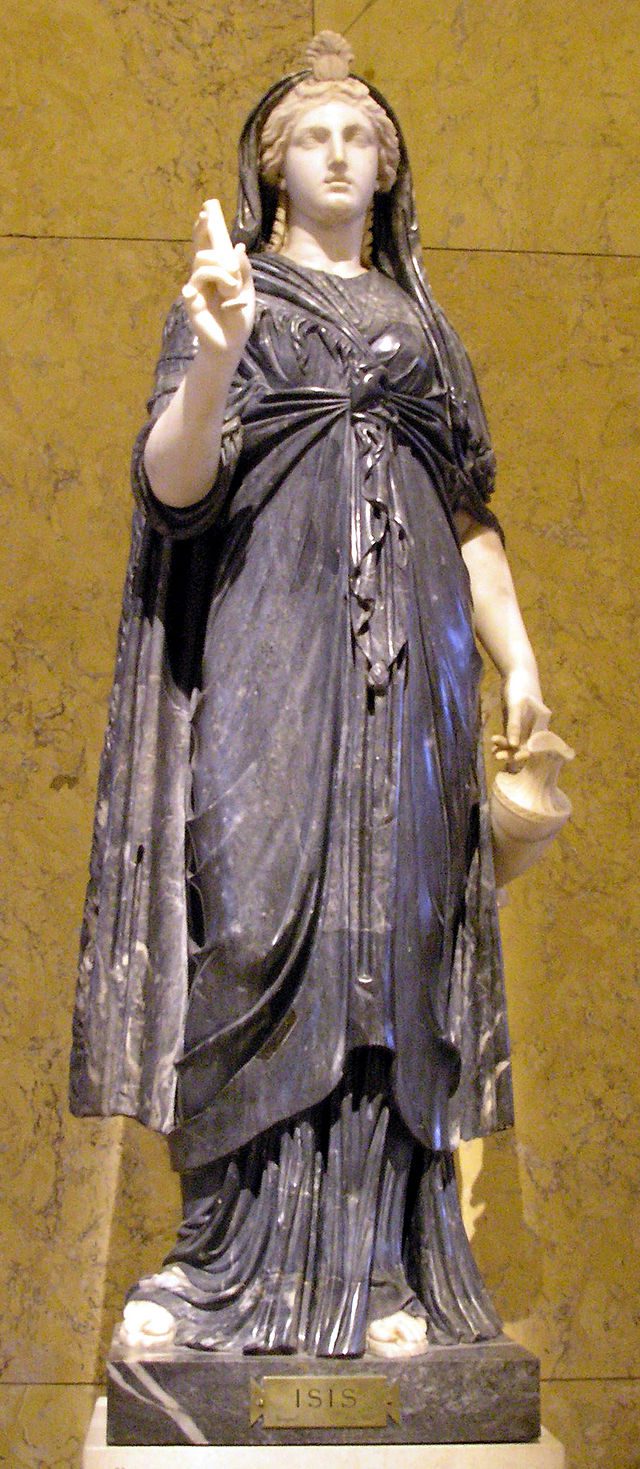
In Roman mythology, the concept of Empanda is intriguing and layered, revealing much about the beliefs and values of ancient Romans. This term refers to a specific deity, closely associated with the practices of hospitality and the protection of guests. The Romans placed great emphasis on the sanctity of hospitality, considering it a vital social custom. Empanda personified this principle, symbolizing the importance of welcoming strangers and ensuring their safety while visiting one’s home. The Romans believed that treating guests with respect and kindness not only honored the gods but also maintained social harmony.
The Role of Empanda in Roman Culture
Empanda played a significant role in Roman culture, particularly in the context of hospitality. The act of receiving guests was more than a mere formality; it was a sacred duty. Romans believed that every guest was a representative of the gods, and thus, they deserved the utmost respect and care. This belief was rooted in the idea that hospitality was a two-way street. While hosts were expected to provide for their guests, guests also had responsibilities to honor their hosts. Empanda, as a deity, was thought to oversee these interactions, ensuring that both parties fulfilled their obligations.
 Endovelicus
In many Roman households, rituals were performed to invoke the blessings of Empanda before a guest arrived. These rituals often included offerings or prayers that were intended to attract her favor. Families would go to great lengths to prepare their homes, ensuring that everything was in order for the visitor. This preparation was not just about physical cleanliness; it also involved creating a warm and welcoming atmosphere. Empanda was believed to bless those who showed genuine kindness and generosity, further encouraging the practice of hospitality.
Key Aspects of Empanda’s Influence
- Divine Protection: Empanda was seen as a protector of guests, ensuring their safety and well-being.
- Social Harmony: The practice of hospitality was essential for maintaining peace within communities.
- Mutual Respect: Both hosts and guests were expected to honor each other’s roles in the hospitality exchange.
The influence of Empanda extended beyond individual households; it shaped the broader social fabric of Roman society. Festivals and public gatherings often included elements of hospitality, where community members were encouraged to share food and resources with one another. This practice not only strengthened community bonds but also reflected the values that Empanda embodied. The act of coming together to celebrate and share was seen as a way to honor the goddess and promote unity among the people.
Empanda and the Concept of Sacrifice
In Roman mythology, the idea of sacrifice was central to many religious practices, and Empanda was no exception. To gain her favor, individuals often performed sacrifices that symbolized their commitment to hospitality. These sacrifices could take various forms, from offering food and drink to sharing personal belongings. The underlying principle was that by giving something of value, the host could ensure a safe and pleasant visit for their guests.
 Evander
Ritual sacrifices to Empanda were typically conducted during significant events, such as weddings or important gatherings. These occasions required the presence of guests, and the host would seek to invoke Empanda’s blessings to ensure that everything went smoothly. By honoring her through these sacrifices, the Romans believed they were not only pleasing the goddess but also reinforcing the cultural importance of hospitality within their communities.
Types of Sacrifices
- Food Offerings: Sharing a meal was a common way to honor Empanda.
- Libations: Pouring out drinks as an offering was a traditional practice.
- Gifts: Providing gifts to guests was seen as a way to show respect and honor Empanda.
The types of sacrifices varied depending on the occasion and the resources available to the host. For instance, during large festivals, communal meals were prepared, and everyone was invited to partake. This not only honored Empanda but also fostered a sense of community and shared purpose. The practice of sharing food and drink created bonds among participants, reinforcing the idea that hospitality was not just an individual act but a collective responsibility.
Empanda in Literature and Art
The figure of Empanda has also made its way into Roman literature and art, reflecting her significance in the cultural landscape of the time. Poets and writers often referenced her in their works, using her as a symbol of the ideals of hospitality and generosity. These literary references served to remind the audience of the importance of treating guests with respect and kindness, reinforcing societal norms.
 Fabulinus
In art, Empanda was sometimes depicted alongside other deities, emphasizing her role within the pantheon of Roman gods. Artists captured her essence through various mediums, showcasing scenes of hospitality that celebrated the act of welcoming guests. These representations served as visual reminders of the cultural values associated with hospitality, inspiring individuals to emulate Empanda’s qualities in their own lives.
Empanda in Roman Poetry
- Invocations: Poets would often invoke Empanda’s name to bless gatherings.
- Allegories: Empanda was used as an allegorical figure to discuss the virtues of hospitality.
- Metaphors: The concept of welcoming was often linked to her character in poetic works.
Roman poets understood the power of words and their ability to shape cultural beliefs. By incorporating Empanda into their verses, they reinforced the idea that hospitality was not only a social expectation but also a divine command. The poetic portrayals of Empanda served to elevate the practice of hospitality to a revered status, encouraging Romans to embrace these values in their everyday lives.
The Legacy of Empanda
The legacy of Empanda continues to resonate even today, as the principles of hospitality remain relevant in modern society. The values she represented—kindness, respect, and generosity—are universal and timeless. Many cultures around the world still emphasize the importance of welcoming guests and treating them with care. Empanda’s influence can be seen in the way people come together to share meals, celebrate special occasions, and support one another in times of need.
In contemporary settings, the spirit of Empanda can be observed in various hospitality practices, from the way hotels and restaurants treat their guests to the customs of inviting friends and family into one’s home. The principles of hospitality are woven into the fabric of social interactions, promoting a sense of community and belonging. Empanda’s legacy serves as a reminder that the act of welcoming others is a powerful expression of humanity.
Modern Interpretations of Hospitality
- Inclusivity: Today’s hospitality practices emphasize the importance of including everyone.
- Generosity: Acts of kindness towards guests are celebrated and valued.
- Cultural Exchange: Hospitality now often includes sharing diverse cultural traditions.
As society evolves, the interpretation of hospitality continues to expand. The modern understanding of hospitality often includes notions of inclusivity and cultural exchange, reflecting a broader perspective on what it means to welcome others. In this way, the teachings of Empanda remain relevant, inspiring new generations to embrace the values of kindness and generosity in their interactions with others.
Empanda in Festivals and Celebrations
Throughout Roman history, various festivals celebrated the values associated with Empanda. These events served as opportunities for communities to come together, share resources, and honor the principles of hospitality. Festivals often included communal meals, entertainment, and rituals that invoked Empanda’s blessings. Such gatherings reinforced social bonds and created a sense of unity among participants.
One notable festival was the Compitalia, which honored the household gods and included elements of hospitality. During this celebration, families would prepare food and invite neighbors to join in the festivities. The act of sharing meals and celebrating together was seen as a way to honor Empanda and strengthen community ties. This festival exemplified the deep-rooted cultural significance of hospitality in Roman society.
Elements of Roman Festivals
- Food and Drink: Sharing meals was a central aspect of the celebrations.
- Rituals: Specific rituals were performed to invoke Empanda’s blessings.
- Community Engagement: Festivals encouraged participation from all community members.
Festivals like Compitalia were not just about celebration; they also served to reinforce the social fabric of Roman life. By coming together to honor Empanda, individuals affirmed their commitment to the values of hospitality and community. The shared experiences created lasting memories and fostered relationships that transcended individual households, contributing to a cohesive society.
Empanda and the Evolution of Hospitality
As time progressed, the concept of hospitality evolved, but the essence of Empanda’s teachings remained. The principles she represented continued to influence how people interacted with one another. In the Roman Empire, as cultures mingled and societies transformed, the notion of hospitality adapted to reflect new values and beliefs. This evolution showcased the flexibility of Empanda’s legacy and its ability to resonate across different contexts.
In the modern world, hospitality has become a global industry, with various interpretations and practices. Hotels, restaurants, and tourism have all been shaped by the fundamental principles of hospitality that Empanda embodied. While the context may have changed, the core values of kindness, respect, and generosity continue to guide interactions between hosts and guests, ensuring that the spirit of Empanda lives on.
Global Perspectives on Hospitality
- Cultural Variations: Different cultures have unique interpretations of hospitality.
- Modern Hospitality Industry: The industry is built on the foundations of welcoming guests.
- Universal Values: Kindness and respect are common threads in hospitality worldwide.
The global perspectives on hospitality reflect the diverse ways in which cultures express the values that Empanda represented. From traditional practices to modern service industries, the essence of welcoming others remains a universal concept. As societies continue to evolve, the teachings of Empanda serve as a timeless reminder of the importance of treating others with care and respect, ensuring that her legacy endures for generations to come.