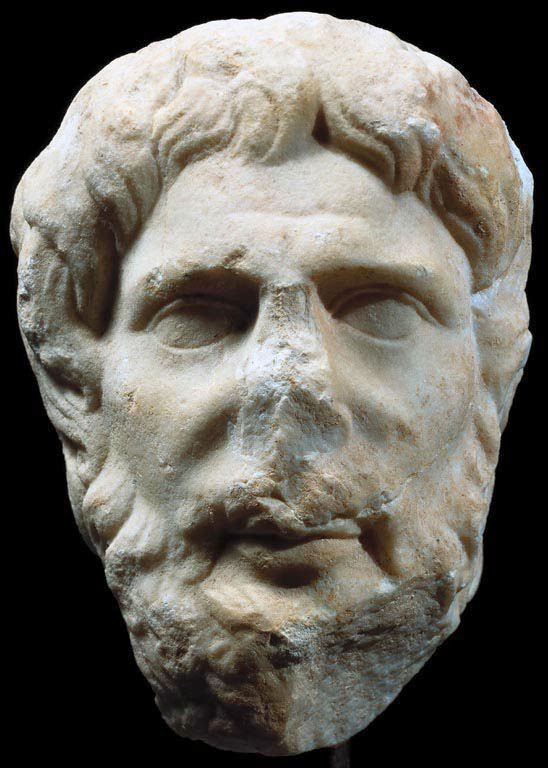
In Roman mythology, Endovelicus is a fascinating figure often associated with healing and the underworld. His name is believed to derive from the Celtic word meaning “to heal” or “to restore.” This connection to healing makes Endovelicus an important deity for those seeking recovery from illness or injury. His worship was particularly prevalent in the regions of Roman Gaul and the Iberian Peninsula, where his influence was felt among both the Roman and indigenous populations. The character of Endovelicus illustrates the blend of Roman and Celtic traditions, showcasing how these cultures intertwined during the Roman Empire’s expansion.
The Origins of Endovelicus
The origins of Endovelicus are shrouded in mystery, yet historical evidence suggests he may have roots in ancient Celtic religion. The Celts had a rich spiritual life, often revolving around nature and healing. As the Romans expanded their empire, they encountered these beliefs and began to integrate them into their own religious practices. This integration often resulted in the creation of new deities or the adaptation of existing ones. Endovelicus may have emerged from this cultural exchange, representing a blend of Celtic healing traditions and Roman spiritual practices.
 Evander
Endovelicus was often depicted as a benevolent figure, a healer who could bring relief to those suffering from physical ailments. The Roman authors noted his association with health and wellness, which may have stemmed from his links to the underworld. In many ancient cultures, the underworld was viewed as a place of both death and rebirth, where healing could take place. This duality in Endovelicus’s character adds to his complexity as a deity, emphasizing the importance of transformation and recovery in human life.
The Worship of Endovelicus
The worship of Endovelicus was characterized by various rituals and offerings aimed at seeking his favor. Devotees would often visit temples dedicated to him, where they could pray for healing and guidance. These temples were not just places of worship; they served as centers for community gatherings and shared healing practices. Votive offerings were common, where individuals would leave small tokens, such as figurines or inscriptions, expressing their gratitude for healing or protection. This practice was integral to the relationship between the worshippers and Endovelicus.
In addition to individual worship, public festivals were held in honor of Endovelicus. These events brought communities together, fostering a sense of unity and shared purpose. Rituals during these festivals often included music, dance, and feasting, creating an atmosphere of joy and celebration. The communal aspect of worship highlighted the importance of social bonds in the healing process, as people supported each other in their struggles and triumphs.
 Fabulinus
Endovelicus and Healing Practices
Endovelicus is primarily recognized for his association with healing. In ancient Roman society, health was a significant concern, and the gods were often called upon for assistance in times of illness. Endovelicus, with his healing powers, became a central figure in the quest for wellness. His followers believed that by invoking his name and performing specific rituals, they could access his divine powers to cure ailments. This belief system was particularly prevalent in areas where the influence of Celtic traditions remained strong.
Medical practices in ancient Rome often combined natural remedies with spiritual healing. Endovelicus was often invoked during these treatments, as it was believed that his presence could enhance the effectiveness of herbal medicines and other healing methods. Physicians of the time would sometimes incorporate prayers and invocations to Endovelicus in their healing practices, blending the physical and spiritual realms in their approach to health.
The Symbolism of Endovelicus
The symbolism associated with Endovelicus is rich and multifaceted. As a deity of healing, he embodies the concepts of restoration and renewal. His connection to the underworld adds an additional layer of meaning, suggesting that healing often involves a journey through darkness before reaching the light. This symbolism resonates deeply with human experiences of suffering and recovery, making Endovelicus a powerful figure in Roman mythology.
 Fama
FamaIn artistic representations, Endovelicus is often depicted with elements that signify healing, such as snakes or herbs. Snakes, in particular, have long been associated with healing and transformation in various cultures. Their ability to shed their skin symbolizes renewal and rebirth, aligning perfectly with Endovelicus’s role as a healer. The use of such symbols in his representation serves to reinforce his identity and the beliefs surrounding his powers.
Endovelicus in Literature and Texts
Literary references to Endovelicus are relatively sparse compared to other Roman deities. However, some ancient texts do mention him, highlighting his role in healing and the underworld. Writings from Roman authors often provide insight into how Endovelicus was perceived by the people of that time. These texts reveal that he was regarded as a significant figure, especially among those who sought healing and protection.
One notable source is the inscription found in the Iberian Peninsula, which indicates the presence of a cult dedicated to Endovelicus. This inscription provides valuable information about his worship and the rituals associated with him. It also illustrates how deeply rooted his influence was in certain regions, showcasing the blend of Roman and Celtic beliefs in shaping his character.
Endovelicus and the Roman Empire
During the height of the Roman Empire, Endovelicus gained prominence as a deity associated with healing and protection. His worship was particularly strong in the provinces of Hispania and Gallia, where local populations embraced his influence. The Roman approach to religion often involved adopting and integrating local deities into their pantheon, and Endovelicus was no exception. This adaptability allowed him to thrive alongside other gods, such as Asclepius and Hygeia, who were also associated with health and healing.
The Roman Empire’s extensive network of roads and trade routes facilitated the spread of Endovelicus’s worship. Pilgrims traveled to shrines dedicated to him, seeking his blessings and healing powers. The presence of his temples and cults across different regions of the empire illustrates the widespread appeal of Endovelicus and his significance in the spiritual lives of many individuals.
The Legacy of Endovelicus
The legacy of Endovelicus continues to resonate in modern times, particularly in discussions about healing and spirituality. While his direct worship may have diminished over the centuries, the themes associated with him remain relevant. The idea of seeking healing through both physical and spiritual means is a concept that transcends time and culture. Many people today still turn to spiritual practices and rituals in their pursuit of wellness, echoing the beliefs surrounding Endovelicus.
Furthermore, the study of Endovelicus and similar deities offers valuable insights into the cultural exchanges that occurred during the Roman Empire. Understanding how the Romans integrated Celtic beliefs into their own religious framework sheds light on the complexities of ancient spirituality. This historical perspective enriches our understanding of the past and the ways in which human beings have sought meaning and healing throughout history.
Conclusion: The Enduring Influence of Endovelicus
Endovelicus serves as a reminder of the interconnectedness of cultures and the shared human experience of seeking healing. His story reflects the rich tapestry of Roman mythology and the enduring legacy of ancient beliefs in contemporary society. Through the lens of Endovelicus, we can explore the profound relationship between health, spirituality, and community, emphasizing the timeless nature of these themes.