
Egeria is a fascinating figure in Roman mythology. She is often associated with wisdom, knowledge, and the divine. Egeria is typically depicted as a water nymph or a goddess, embodying the natural springs and the life-giving properties of water. Her story intertwines with various aspects of Roman culture, particularly in the context of rituals and divination. Throughout history, she has been revered as a source of inspiration and guidance, especially in matters concerning the gods and the natural world. The legacy of Egeria continues to be a subject of interest for scholars and enthusiasts of mythology alike.
The Origin of Egeria
The origins of Egeria can be traced back to ancient Roman beliefs, where she was seen as a vital figure associated with the cults of water. Water was crucial in Roman society, not just for its practical uses but also for its spiritual significance. Egeria was believed to be a nymph who resided near springs and fountains, embodying the essence of fresh water. The Romans often attributed healing properties to water, and Egeria played a significant role in this belief system. Her connection to water symbolized purity and renewal, making her a revered figure among the people.
 Egestes
In Roman texts, Egeria is often linked to the god of wisdom, Janus. Janus was the two-faced god who represented beginnings and transitions, and Egeria served as his divine consort. This relationship emphasizes her role as a guide and mentor, providing wisdom and insight to those who sought her help. The connection between Egeria and Janus highlights the importance of female figures in Roman mythology, who often served as sources of knowledge and inspiration for male counterparts.
Egeria and the Sacred Springs
Egeria is particularly associated with sacred springs, which were integral to Roman religious practices. These springs were often considered portals to the divine, where people could connect with the gods. Egeria’s presence at these sites signified the sanctity of the water and its ability to facilitate communication with the divine. The Romans believed that by invoking Egeria, they could receive guidance and wisdom for their lives. Her role as a water nymph underscored the importance of nature in spiritual practices.
Many temples and shrines were dedicated to Egeria, often located near natural springs. These sites became popular destinations for pilgrims seeking healing or divine insight. The rituals performed at these springs included offerings, prayers, and divination practices, all aimed at invoking Egeria’s blessings. People believed that the water held mystical properties and that Egeria could grant them the knowledge they sought. This connection between Egeria and sacred water exemplifies the intertwining of nature and spirituality in Roman culture.
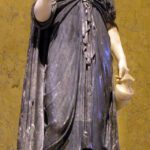 Empanda
Egeria’s Role in Divination
Divination was a significant aspect of Roman religion, and Egeria played a crucial role in this practice. As a goddess of wisdom, she was often consulted for guidance on important decisions. The Romans believed that Egeria could provide insights into the future and help them navigate life’s uncertainties. Various forms of divination were employed, including augury, where priests interpreted the behavior of birds, and haruspicy, which involved examining the entrails of sacrificed animals.
Egeria was particularly associated with the practice of water divination. This involved interpreting the movements and ripples in water to gain insights into future events. The Romans would visit her sacred springs to perform these rituals, seeking clarity and direction in their lives. The belief that Egeria could communicate through water reinforced her status as a powerful and wise figure within Roman mythology. Her influence extended beyond the natural world, as she became a symbol of intuition and foresight.
 Endovelicus
Egeria in Literature and Art
The figure of Egeria has inspired various works of literature and art throughout history. Ancient poets and writers often referenced her in their works, highlighting her association with wisdom and knowledge. For instance, the Roman poet Ovid mentioned Egeria in his epic poem “Metamorphoses,” where he described her as a source of inspiration for the legendary king Numa Pompilius. Numa, known for his wisdom and piety, sought Egeria’s guidance to establish the religious and legal foundations of Rome.
In addition to poetry, Egeria has been depicted in various artistic forms, including sculpture and painting. Artists often portrayed her as a beautiful nymph, surrounded by water and nature. These representations emphasize her connection to the divine and her role as a source of inspiration. The imagery of Egeria in art reflects the reverence the Romans held for her and her enduring legacy in their culture.
The Legacy of Egeria
The legacy of Egeria continues to resonate in modern times, as she remains a symbol of wisdom and intuition. Her story serves as a reminder of the importance of connecting with nature and seeking guidance from the world around us. Many people today still turn to water as a source of inspiration and reflection, echoing the practices of ancient Romans. Egeria’s influence can be seen in various aspects of contemporary spirituality, where the natural world is often revered as a source of wisdom.
Moreover, Egeria’s narrative has found its way into modern literature and pop culture. Authors and creators draw upon her myth to explore themes of guidance, intuition, and the relationship between humanity and nature. Her story resonates with those seeking to understand the complexities of life and the wisdom that can be found in the world around them. Egeria’s enduring presence in cultural narratives highlights the timeless appeal of mythology and its relevance to contemporary life.
Egeria’s Symbolism
Egeria embodies various symbols that resonate with people across cultures. One of the most prominent symbols associated with her is water. Water represents life, renewal, and purification, making it a powerful symbol in many spiritual traditions. Egeria’s connection to water signifies her role as a nurturing and life-giving force, providing guidance and wisdom to those who seek it. The symbolism of water extends beyond the physical realm, representing the flow of knowledge and intuition.
Another significant symbol associated with Egeria is wisdom. As a goddess of knowledge, she represents the pursuit of understanding and enlightenment. Egeria encourages individuals to seek wisdom in their lives, whether through nature, intuition, or divine guidance. Her presence serves as a reminder that wisdom is not solely an intellectual pursuit but also a deeply intuitive one, rooted in the connection between the self and the natural world.
Egeria in Modern Spiritual Practices
In contemporary spiritual practices, Egeria is often invoked as a source of inspiration and guidance. Many people draw upon her symbolism of water and wisdom in their rituals and meditations. The act of connecting with water, whether through visiting a natural spring or practicing mindfulness by a body of water, can evoke the essence of Egeria. This connection allows individuals to tap into their intuition and seek clarity in their lives.
Additionally, Egeria’s story encourages individuals to embrace the cycles of nature and the wisdom they offer. Modern spiritual practices often emphasize the importance of being attuned to the natural world, recognizing the lessons that can be learned from its rhythms. By embodying Egeria’s qualities, individuals can cultivate a deeper understanding of themselves and their place in the universe, fostering a sense of harmony and balance.
The exploration of Egeria reveals the rich tapestry of Roman mythology and the enduring significance of her character. From her origins as a water nymph to her role as a goddess of wisdom, Egeria embodies essential themes that resonate with people across time and cultures. Her legacy continues to inspire individuals seeking guidance, knowledge, and a deeper connection with nature. Egeria’s story serves as a reminder of the power of intuition and the importance of nurturing the relationship between humanity and the natural world.