
The Echidna is a fascinating figure in Greek mythology, often referred to as the “Mother of Monsters.” This title reflects her role as the progenitor of many of the most famous and fearsome creatures in ancient tales. Echidna is typically depicted as a creature that is half-woman and half-snake, embodying both beauty and danger. Her lineage is significant in understanding the various monsters that plague the heroes of Greek myths. In this article, we will explore the various aspects of Echidna’s character, her offspring, her relationships, and her significance in Greek mythology.
The Origins of Echidna
The origins of Echidna are shrouded in mystery, much like many figures in Greek mythology. According to various sources, she is often considered the daughter of Gaia, the Earth, and Chaos, the primordial void. This lineage gives her a powerful connection to the earth and the primordial forces of creation. Echidna is sometimes referred to as a monster herself, a being born from the chaotic elements of the universe. Her dual nature, being both beautiful and monstrous, symbolizes the complexities of nature and life.
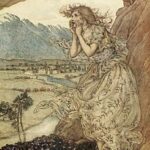 Echo
EchoIn some accounts, Echidna is said to reside in a cave, where she lives with her mate, Typhon, another formidable figure in mythology. Typhon is often depicted as a giant with many heads, and together, they represent a terrifying force of chaos and destruction. Their union results in the birth of many legendary monsters, each with their own unique powers and stories. The cave is often seen as a representation of the unknown, a place where fearsome creatures are born and where the boundaries between the natural and supernatural blur.
The Offspring of Echidna
Echidna’s children are some of the most notable monsters in Greek mythology. Among her offspring are the Cerberus, the three-headed dog that guards the gates of the Underworld, and the Chimera, a fire-breathing creature that is part lion, goat, and serpent. Each of these monsters has a story that intertwines with the heroes of Greek myths, creating a rich tapestry of conflict and adventure. The monsters symbolize the challenges that heroes must face and overcome, making Echidna an essential part of their journeys.
 Eileithyia
- Cerberus: Known for his three heads, Cerberus is a fierce guardian who prevents the dead from escaping the Underworld.
- Chimera: A hybrid creature that breathes fire, the Chimera represents the blending of different species and the chaos that comes with it.
- Hydra: A serpent-like creature with multiple heads, each time one is cut off, two more grow back, symbolizing the idea of resilience and the difficulty of overcoming challenges.
- Scylla: A sea monster who terrorizes sailors, representing the dangers that lurk in the depths of the ocean.
These offspring not only serve as obstacles for heroes like Heracles and Odysseus but also embody the themes of fear, chaos, and the struggle for order. Each creature carries its own significance and moral lesson, reinforcing the idea that the world is filled with both beauty and terror. Echidna, as their mother, symbolizes the primal forces of nature that can give life but also bring destruction.
Echidna and Typhon
The relationship between Echidna and her mate, Typhon, is a crucial aspect of her character. Typhon is often considered one of the most powerful and terrifying beings in Greek mythology. He is described as a giant with serpentine features, and together, they represent the chaotic forces of nature. Their union symbolizes the balance between creation and destruction, as well as the harmony and discord found in the world. Typhon’s battles against the gods, particularly against Zeus, highlight the struggle between order and chaos.
Their partnership is not only one of love but also one of shared ambition. Together, they are often depicted as a formidable duo, challenging the Olympian gods and creating havoc in the world. Their offspring, the monsters, can be seen as extensions of their chaotic nature, embodying the struggles that arise from their union. The stories of their battles against the gods serve as allegories for the struggles that humans face in their own lives, reflecting the constant tension between order and chaos.
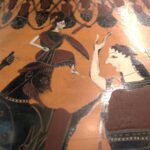 Ilithyia
The Significance of Echidna in Greek Mythology
Echidna’s role in Greek mythology extends beyond that of a mere monster. She represents the primordial forces that govern life and death, creation and destruction. Her character embodies the idea that from chaos can arise both beauty and terror. In many myths, her offspring serve as metaphors for the challenges that heroes must confront, highlighting the importance of bravery and resilience. Echidna, as the “Mother of Monsters,” is a reminder that every hero’s journey is fraught with peril, and that overcoming these challenges is what defines their character.
Moreover, Echidna’s connection to the earth and the natural world emphasizes the ancient Greeks’ understanding of nature as a powerful and unpredictable force. Her dual nature serves as a reminder of the beauty that can be found in the wild, as well as the dangers that lurk within it. This duality reflects the complexities of human experience, where joy and fear often coexist. In this way, Echidna serves as a powerful symbol of the natural world and its mysteries.
Echidna in Art and Literature
The figure of Echidna has been represented in various forms of art and literature throughout history. In ancient Greek pottery, she is often depicted alongside her monstrous offspring, showcasing her role as the mother of these fearsome creatures. These artistic representations serve not only as a visual record of her significance in mythology but also as a means of conveying the stories and lessons associated with her character. The imagery often captures the tension between beauty and horror, reflecting the themes that are central to her narrative.
In literature, Echidna appears in several ancient texts, including the works of Hesiod and Apollodorus. Hesiod’s “Theogony” describes her as a dangerous figure who gives birth to various monsters, while Apollodorus provides detailed accounts of her offspring and their interactions with heroes. These texts highlight the importance of her character in the broader context of Greek mythology, illustrating how she embodies the chaotic forces of nature that heroes must confront.
The Legacy of Echidna
The legacy of Echidna continues to resonate in modern culture, where her character is often referenced in various forms of media. From literature to film, Echidna’s image as the “Mother of Monsters” serves as a powerful symbol of the complexities of nature and the struggles that individuals face. Her dual nature, as both a nurturing mother and a fearsome monster, resonates with contemporary themes of femininity and power, making her a relevant figure even today.
Moreover, the stories surrounding Echidna and her offspring have inspired countless adaptations and reinterpretations. Many modern stories draw on the archetype of the monster as a reflection of human fears and challenges. Echidna, as a character, embodies the idea that monsters are not merely to be feared but understood. This shift in perspective allows for a deeper exploration of her character and the themes she represents.
Echidna’s role in Greek mythology is multifaceted and complex. As the “Mother of Monsters,” she embodies the primal forces of nature and the challenges that heroes must confront. Her offspring serve as symbols of chaos and resilience, while her relationship with Typhon highlights the balance between creation and destruction. Through art and literature, Echidna’s legacy continues to influence contemporary culture, reminding us of the enduring power of myth and the lessons it imparts.