
The Congo Savanne is a region rich in cultural history and significance, particularly within the context of Vodou mythology. This area, characterized by its unique landscape and vibrant ecosystems, serves as a backdrop for many of the spiritual beliefs and practices that have emerged from the African diaspora. Vodou, often misunderstood and misrepresented, is a complex religion that encompasses a variety of beliefs, rituals, and deities, known as Loa. The practices found in Congo Savanne reflect the fusion of African traditions with elements from other cultures, particularly those encountered during the colonial period.
Understanding Vodou
Vodou is more than just a religion; it is a way of life for many people. It encompasses a rich tapestry of beliefs, rituals, and practices that connect followers to their ancestors and the spiritual world. At its core, Vodou emphasizes the importance of community and the interconnectedness of all living beings. In the Congo Savanne region, Vodou is practiced with deep reverence, and its rituals often include music, dance, and offerings to the Loa. These elements serve not only to honor the deities but also to foster a sense of belonging among practitioners.
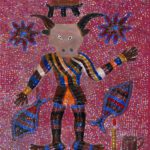 Bosou
BosouOne of the key aspects of Vodou is the concept of spiritual possession. During rituals, practitioners may become possessed by the Loa, allowing them to channel the spirits and communicate their messages to the community. This phenomenon is often accompanied by rhythmic drumming and energetic dancing, creating an atmosphere of collective ecstasy and connection. The experience is not merely individual; it is a communal event that strengthens social bonds and reinforces cultural identity.
Core Beliefs of Vodou
- Ancestor Worship: Ancestors play a vital role in Vodou, with practitioners believing that the spirits of the deceased continue to influence the living.
- Connection to Nature: Vodou emphasizes harmony with the natural world, viewing the environment as sacred and imbued with spiritual significance.
- The Role of the Loa: The Loa are intermediary spirits that connect practitioners with the divine. Each Loa has distinct characteristics and areas of influence.
- Community and Ritual: Community gatherings and rituals are essential for maintaining social cohesion and cultural identity.
The Role of the Loa in Congo Savanne
The Loa are central to Vodou practice, serving as powerful spiritual entities that embody various aspects of life and nature. Each Loa has a unique personality, mythology, and set of attributes. In the Congo Savanne, the Loa are often associated with specific elements of the environment, such as rivers, forests, and animals. This connection to nature highlights the deep respect practitioners have for the world around them and underscores the belief that the spiritual and physical realms are intertwined.
One of the most revered Loa in the Congo Savanne is Legba, the guardian of the crossroads and the messenger between the human and spiritual worlds. He is often called upon at the beginning of rituals to open the gateway to the Loa, allowing for communication and interaction. His presence is essential for ensuring that the rituals are conducted successfully and that the offerings made to other Loa are received. Legba is depicted as a wise elder, often associated with the symbols of keys and gates, representing his role as a facilitator of spiritual journeys.
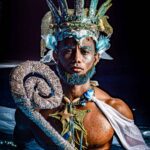 Bondye
Other Important Loa
- Ezili: The goddess of love and beauty, often depicted as a nurturing figure who embodies femininity and compassion.
- Baron Samedi: The Loa of the dead, known for his connection to the afterlife and his role in guiding souls.
- Damballa: The serpent spirit associated with creation and fertility, often represented by the image of a snake.
- Ogoun: The warrior Loa of iron and technology, symbolizing strength, protection, and resilience.
Rituals and Practices
The rituals performed in the Congo Savanne are vibrant and dynamic, incorporating a wide array of practices that reflect the cultural heritage of the community. These rituals often take place during significant events such as births, marriages, and funerals, as well as during specific times of the year that hold spiritual significance. The rituals are marked by elaborate ceremonies that include offerings, prayers, and the invocation of the Loa.
One common practice is the creation of altars dedicated to the Loa. These altars are adorned with various items, such as food, flowers, and symbolic objects that resonate with the particular spirit being honored. The offerings are made with the belief that they will attract the Loa’s attention and favor, fostering a reciprocal relationship between the practitioners and the spirits. The preparation and presentation of these offerings are done with great care and respect, highlighting the importance of intention in Vodou practice.
The Importance of Music and Dance
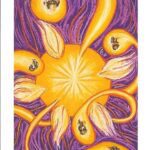 Bon Ange
Music and dance are integral components of Vodou rituals, serving as both a form of expression and a means of connecting with the spiritual world. The rhythmic beats of drums create an atmosphere that invites the Loa to participate in the ceremony. Different types of drums are used, each producing unique sounds that correspond to specific spirits and rituals. The drumming often guides the energy of the gathering, building intensity as the ritual progresses.
Dance is equally important, allowing practitioners to express their devotion and to embody the spirits during possession. Each dance has its own significance and is often accompanied by songs that recount the stories and attributes of the Loa. Participants may wear traditional clothing or costumes that reflect the characteristics of the spirit they are honoring, further enhancing the connection between the physical and spiritual realms.
Cultural Significance of Vodou in Congo Savanne
Vodou is not just a religious practice; it is a cultural identity for many people in the Congo Savanne. It serves as a means of preserving history, traditions, and values that have been passed down through generations. The beliefs and practices associated with Vodou provide a framework for understanding the world and navigating life’s challenges. In a society where colonial history and globalization have often marginalized indigenous practices, Vodou stands as a powerful symbol of resilience and cultural pride.
The communal aspect of Vodou is particularly significant in the Congo Savanne. Rituals and celebrations bring people together, fostering a sense of belonging and solidarity. These gatherings create a space where individuals can share their experiences, seek guidance from the Loa, and support one another in times of need. The communal rituals also serve as a reminder of the interconnectedness of all members of the community, reinforcing the idea that each person’s well-being is tied to the collective.
Challenges and Misunderstandings
Despite its rich cultural heritage, Vodou has faced numerous challenges and misunderstandings, both locally and globally. Misrepresentation in popular culture has often portrayed Vodou as a dark or sinister practice, focusing on sensationalized elements while ignoring its deep spiritual significance and community-oriented nature. This misrepresentation has led to stigma and discrimination against practitioners, making it difficult for them to express their beliefs openly.
In the Congo Savanne, practitioners of Vodou often find themselves navigating the complexities of modern society while trying to preserve their traditions. The influence of globalization and the spread of other religions can create tensions within communities, as younger generations may be drawn to different spiritual paths. However, many practitioners are actively working to educate others about Vodou, emphasizing its positive aspects and its role in promoting community values and cultural heritage.
Modern Expressions of Vodou
In recent years, there has been a resurgence of interest in Vodou, both within the Congo Savanne and beyond. Many practitioners are embracing their heritage and finding new ways to express their spirituality. This revival is characterized by a blending of traditional practices with contemporary influences, allowing for a dynamic and evolving expression of Vodou. Artists, musicians, and writers are drawing inspiration from Vodou, creating works that celebrate its rich cultural history.
Social media has also played a significant role in this revival, providing a platform for practitioners to share their experiences, knowledge, and art. Online communities have emerged, connecting individuals who are passionate about Vodou and creating spaces for dialogue and education. This digital landscape allows for the dissemination of information and the dismantling of stereotypes, fostering a greater understanding of Vodou as a legitimate and vibrant spiritual practice.
Education and Awareness
- Cultural Workshops: Many communities are organizing workshops to educate people about Vodou, its history, and its practices.
- Art Exhibitions: Artists are showcasing their work inspired by Vodou, highlighting its beauty and complexity.
- Documentaries: Filmmakers are creating documentaries that explore Vodou from the perspective of practitioners, providing authentic narratives.
- Community Events: Festivals and gatherings celebrate Vodou culture, allowing for public engagement and appreciation.
The Congo Savanne stands as a testament to the enduring power of Vodou mythology and its significance in the lives of those who practice it. Through its rich traditions, vibrant rituals, and deep connections to community and nature, Vodou continues to thrive, adapting to the challenges of modernity while preserving its core values. As more people seek to understand and appreciate this complex spiritual system, the legacy of Vodou in the Congo Savanne remains a vital part of the cultural landscape.