
Buluc Chabtan is a significant figure in Maya mythology, known primarily as the god of war and violence. He is often depicted as a fierce warrior, embodying the traits of strength and aggression that were crucial in the context of the ancient Maya civilization. The Maya believed that warfare was not only a means of territorial expansion but also a way to honor their gods and ensure the prosperity of their communities. As a result, Buluc Chabtan was revered and feared, representing the duality of destruction and creation inherent in war.
The Origins of Buluc Chabtan
The origins of Buluc Chabtan can be traced back to the ancient beliefs and traditions of the Maya people. In many Maya creation myths, gods and deities played crucial roles in shaping the world and its inhabitants. Buluc Chabtan emerged as a central figure in these narratives, often associated with other gods such as Tezcatlipoca and Hunahpú. The blending of various deities in the Maya pantheon reflects the complexity of their mythology, where gods could embody multiple aspects of life and nature.
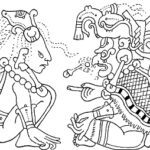 God R
God RIn some accounts, Buluc Chabtan is depicted as the son of the sky god, illustrating his connection to the heavens and the divine. His attributes often include a blood-red color, symbolizing the violence of war and the sacrifices made in battle. This imagery resonates with the Maya’s understanding of the cyclical nature of life, where death and rebirth are intertwined. Such narratives highlight the importance of warfare not only as a physical struggle but also as a spiritual journey.
Symbolism and Attributes
Buluc Chabtan is rich in symbolism, representing various elements that were vital to the Maya culture. He is often associated with jaguars, a powerful symbol in Maya mythology that represents strength, ferocity, and the ability to traverse different realms. The jaguar’s stealth and power mirror Buluc Chabtan’s prowess in battle, making it an apt representation of his character. The Maya often used jaguar motifs in their art and architecture, further emphasizing the significance of this connection.
Another important attribute of Buluc Chabtan is his association with blood. The Maya believed that blood was a vital force that sustained life and maintained the favor of the gods. Ritual sacrifices, often involving bloodletting, were a way to appease Buluc Chabtan and ensure victory in war. This practice reflects the deep interconnection between the divine and the mortal realms in Maya belief systems, where the act of sacrifice was both a tribute and a necessity.
 Bolontiku
Warfare in Maya Society
Warfare played a crucial role in the Maya civilization, shaping their political, social, and economic structures. The Maya engaged in warfare for various reasons, including territorial expansion, resource acquisition, and the establishment of political power. Buluc Chabtan, as the god of war, was central to these endeavors, providing both motivation and divine support for the warriors. The Maya believed that successful military campaigns would bring glory not only to the warriors but also to their city-states.
The rituals associated with warfare were elaborate and deeply spiritual. Before embarking on military campaigns, leaders would often conduct ceremonies to honor Buluc Chabtan and seek his favor. These rituals included offerings, prayers, and sometimes bloodletting, reinforcing the belief that the outcome of battles was influenced by divine intervention. The intertwining of religion and warfare in Maya society highlights the importance of Buluc Chabtan as both a protector and a punisher, guiding the fate of warriors on the battlefield.
Depictions in Art and Iconography
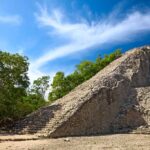 Nohoch Ich
Buluc Chabtan is frequently depicted in Maya art and iconography, showcasing his significance in their cultural narrative. Artists often portrayed him as a fierce warrior adorned with elaborate headdresses and jewelry, signifying his status among the gods. His imagery often includes weapons such as spears and axes, emphasizing his role as a god of war. The representation of Buluc Chabtan in art serves not only as a visual depiction but also as a means of storytelling, conveying the beliefs and values of the Maya civilization.
One common motif in Maya art is the representation of Buluc Chabtan in battle scenes, where he is shown leading warriors into combat. These scenes often illustrate the ferocity and chaos of warfare, highlighting the importance of courage and strength in the face of adversity. The intricate details in these artworks reflect the skill and dedication of Maya artisans, who aimed to capture the essence of their beliefs and the divine forces that influenced their lives.
Buluc Chabtan in Rituals and Ceremonies
The worship of Buluc Chabtan was an integral part of various rituals and ceremonies in Maya society. Priests and shamans played a vital role in these practices, acting as intermediaries between the gods and the people. They would conduct rituals to honor Buluc Chabtan, especially before significant military campaigns or during times of conflict. These ceremonies often involved offerings of food, incense, and even human sacrifices, aimed at appeasing the god and ensuring his favor in battle.
During these rituals, the participants would often engage in dance and music, creating a vibrant atmosphere that celebrated the power of Buluc Chabtan. The rhythmic beats of drums and the sounds of flutes resonated through the air, invoking the presence of the god and inviting him to bless their endeavors. The communal aspect of these ceremonies reinforced the bond between the people and their deity, creating a sense of unity and purpose as they sought to honor Buluc Chabtan.
Modern Interpretations and Cultural Impact
In contemporary times, Buluc Chabtan continues to be a subject of interest and interpretation among scholars and enthusiasts of Maya mythology. His legacy is evident in various forms of art, literature, and cultural expressions that seek to understand and celebrate the rich tapestry of Maya beliefs. The exploration of Buluc Chabtan’s character and significance provides insights into the complexities of ancient Maya society and their worldview.
Many modern interpretations of Buluc Chabtan emphasize the importance of understanding the historical context of warfare in Maya civilization. Scholars often highlight how the reverence for Buluc Chabtan reflects broader themes of power, sacrifice, and the human condition. By examining the narratives and practices associated with this deity, researchers can gain a deeper appreciation for the intricate relationship between the Maya people and their gods.
Buluc Chabtan stands as a testament to the richness of Maya mythology and the profound beliefs that shaped the lives of the ancient Maya. His multifaceted nature as a god of war encapsulates the complexities of human experience, where violence and spirituality coexist in a delicate balance. As we continue to explore the stories and traditions surrounding Buluc Chabtan, we uncover not only the history of a civilization but also the timeless themes that resonate across cultures and epochs.