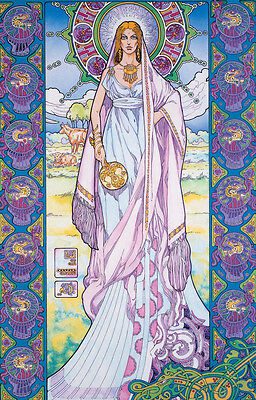
Bóann is a significant figure in Irish mythology, known primarily as the goddess of the River Boyne. Her story intertwines with various themes of fertility, wisdom, and the natural world. Bóann is often depicted as a powerful and nurturing figure, representing the life-giving aspects of rivers and water in general. The River Boyne, which flows through the heart of Ireland, is named after her, emphasizing her deep connection to this vital waterway. In the myths, Bóann’s character and her adventures reveal much about the cultural values of ancient Ireland, particularly regarding nature and the divine.
The Origins of Bóann
The origins of Bóann are steeped in mystery and folklore. According to various sources, she is considered to be the daughter of the sea god Nechtan, who is also associated with wisdom and knowledge. Bóann’s birth and lineage are significant, as they connect her to both the elemental forces of water and the realms of the divine. Her mother, in some tales, is a figure of the earth, linking Bóann to the fertility of the land as well. This duality of water and earth symbolizes the interconnectedness of life in Irish mythology, where rivers nourish the soil and sustain the people.
 Bláthnat
Bóann is also linked to the Tuatha Dé Danann, the mythological race of deities in Irish lore. These beings are often associated with various aspects of nature and magic, highlighting Bóann’s role as a goddess who embodies the essence of the land. Her relationships with other deities, particularly the god of wisdom, are often explored in myths that emphasize her quest for knowledge and understanding. This quest sometimes leads her into conflict with other powerful beings, illustrating the complexities of her character.
The Legend of the River Boyne
The River Boyne, one of the most famous rivers in Ireland, holds a special place in the mythology surrounding Bóann. According to legend, Bóann was drawn to the river’s waters, which were believed to possess magical qualities. In her quest to gain wisdom, she approached the well of wisdom known as Well of Segais. This well was said to be the source of all knowledge and was guarded by a fierce creature. Despite the dangers, Bóann was determined to drink from its waters.
As she approached the well, Bóann’s actions caused a series of events that ultimately led to her downfall. In some versions of the myth, she disrupted the well’s sacred waters, causing them to overflow and create the River Boyne. This act symbolizes her connection to the river, as she is forever linked to its flow and the life it brings to the surrounding lands. The river, named after her, became a symbol of both her wisdom and her tragic fate, illustrating the dual nature of her character.
 Biróg
BirógSignificance of the River Boyne
- Life-giving waters: The River Boyne is seen as a source of fertility, providing sustenance to the land and its people.
- Cultural importance: The river is central to many Irish myths and legends, serving as a backdrop for various tales.
- Spiritual connections: The river is often associated with rituals and ceremonies, highlighting its sacred nature.
The River Boyne also plays a role in various other myths, serving as a backdrop for stories involving other deities and heroes. Its waters are believed to possess healing and transformative properties, making it a significant site for spiritual practices. Bóann’s connection to the river emphasizes the importance of water in Irish culture, symbolizing life, renewal, and the flow of time.
Bóann and Fertility
In addition to her connection with the River Boyne, Bóann is often associated with fertility and the natural cycles of life. As a goddess, she represents the nurturing aspects of nature, embodying the idea that water is essential for growth and sustenance. Her association with fertility is not limited to agriculture; it extends to all forms of life, including human and animal reproduction. This connection highlights the importance of rivers and water in sustaining life in ancient Ireland.
 Benandonner
The myths surrounding Bóann often depict her as a protector of the land, ensuring that it remains fertile and bountiful. In many tales, she is shown bestowing blessings upon the earth, ensuring that crops flourish and animals thrive. This nurturing aspect of her character is celebrated in various festivals and rituals, where people honor her as the giver of life. The reverence for Bóann reflects the deep respect that ancient Irish people had for nature and the elements that sustain them.
The Tragic Fate of Bóann
Despite her many positive attributes, Bóann’s story is also marked by tragedy. Her desire for wisdom and knowledge ultimately leads to her downfall, illustrating the complexities of her character. In some versions of the myth, after creating the River Boyne, she is punished for her actions by the other deities. This punishment can take various forms, including being transformed into a river herself, symbolizing her eternal connection to the waters she once sought to control.
This tragic fate serves as a cautionary tale about the consequences of defying the natural order. Bóann’s quest for knowledge and power leads her to disrupt the sacred well, resulting in her transformation and the creation of the river. This narrative reflects the belief that one must respect the forces of nature and the divine, emphasizing the balance between human ambition and the natural world. Bóann’s story serves as a reminder of the importance of humility and respect in the face of greater powers.
Bóann in Modern Culture
Today, Bóann’s legacy continues to influence modern culture, particularly in Ireland. Her story is often retold in literature, art, and music, serving as a source of inspiration for many contemporary artists. The River Boyne remains a significant landmark, attracting visitors who wish to connect with the mythology and natural beauty of the area. Festivals and events celebrating Bóann and the river are held annually, drawing attention to her enduring significance in Irish culture.
In literature, Bóann’s character is often explored in relation to themes of femininity and empowerment. Her role as a goddess of fertility and wisdom resonates with modern discussions about the importance of women in mythology and history. Writers and poets frequently draw on her story to highlight the strength and resilience of women, using her narrative as a lens through which to explore contemporary issues.
Influence on Art and Literature
- Literary references: Many authors have incorporated Bóann into their works, exploring her character and themes.
- Artistic representations: Artists often depict Bóann in paintings and sculptures, celebrating her beauty and power.
- Musical tributes: Composers and musicians create pieces inspired by Bóann and the River Boyne.
The influence of Bóann extends beyond literature and art. She is also celebrated in various forms of media, including film and television. Her story is sometimes adapted into modern narratives, reimagining her character for new audiences while retaining the essence of her mythological roots. This adaptability speaks to the timeless nature of her story, allowing it to resonate with people across generations.
Rituals and Celebrations
Throughout history, Bóann has been honored through various rituals and celebrations. These events often coincide with the changing seasons, particularly the spring and summer months when fertility and growth are most prominent. People would gather near the River Boyne to celebrate her, offering prayers and sacrifices in hopes of receiving her blessings for a bountiful harvest. These rituals reflect the deep connection between the people and the land, emphasizing the importance of nature in their lives.
In addition to agricultural celebrations, Bóann is also associated with water-related rituals. Many ancient Irish practices involved the purification and blessing of water sources, recognizing their significance in sustaining life. People would often visit sacred wells and rivers, seeking healing and guidance from Bóann. These practices highlight the belief in the divine presence within natural elements, reinforcing the idea that Bóann is not just a distant goddess, but a nurturing force that is intimately connected to the lives of her followers.
Modern Celebrations
- Festivals: Contemporary festivals celebrate Bóann and the River Boyne, featuring music, dance, and storytelling.
- Community gatherings: Local communities often come together to honor Bóann through various events.
- Nature walks: Guided walks along the River Boyne highlight its beauty and significance in Irish mythology.
These modern celebrations serve to connect people with their cultural heritage, allowing them to engage with the stories and traditions that have shaped their identity. By honoring Bóann, individuals reaffirm their connection to the land and the natural world, recognizing the importance of preserving these traditions for future generations. The enduring legacy of Bóann is a testament to the rich tapestry of Irish mythology and its relevance in contemporary society.
Bóann and Other Mythological Figures
Bóann’s story is intertwined with many other figures in Irish mythology, creating a rich tapestry of interconnected narratives. Her relationship with other deities often highlights the themes of conflict and cooperation within the pantheon of Irish gods and goddesses. For example, her connection to the well of wisdom brings her into contact with Ogma, the god of eloquence and knowledge. Their interactions often reflect the pursuit of wisdom and the challenges that accompany it.
Additionally, Bóann is sometimes contrasted with other female figures in mythology, such as Brigid, the goddess of fertility and healing. While both goddesses share similar attributes, their stories often diverge, illustrating different aspects of femininity and power in ancient Irish culture. These comparisons enrich the understanding of Bóann’s character, showcasing her unique qualities while situating her within a broader mythological context.
Collaborations and Conflicts
- Collaboration with Ogma: Bóann often seeks knowledge and wisdom from Ogma, leading to various adventures.
- Contrast with Brigid: The differing attributes of Bóann and Brigid highlight the diversity of female power in mythology.
- Interactions with other deities: Bóann’s relationships with other gods often reflect the complexities of divine dynamics.
These interactions emphasize the richness of Irish mythology, where each character plays a vital role in shaping the stories that define the culture. Bóann’s relationships with other deities illustrate the interconnectedness of their narratives, creating a complex web of myths that continue to captivate audiences today. Understanding these relationships enhances the appreciation of Bóann’s character and the significance of her story within the broader context of Irish mythology.
Conclusion of Bóann’s Legacy
The legacy of Bóann remains strong in modern Irish culture, symbolizing the enduring connection between people and the natural world. Her story serves as a reminder of the importance of water, fertility, and wisdom, values that resonate deeply within the hearts of those who honor her. Through various forms of artistic expression, celebrations, and rituals, Bóann’s influence continues to inspire individuals to connect with their heritage and the land around them. As the River Boyne flows through the landscape, so too does the spirit of Bóann, nurturing and sustaining life for generations to come.