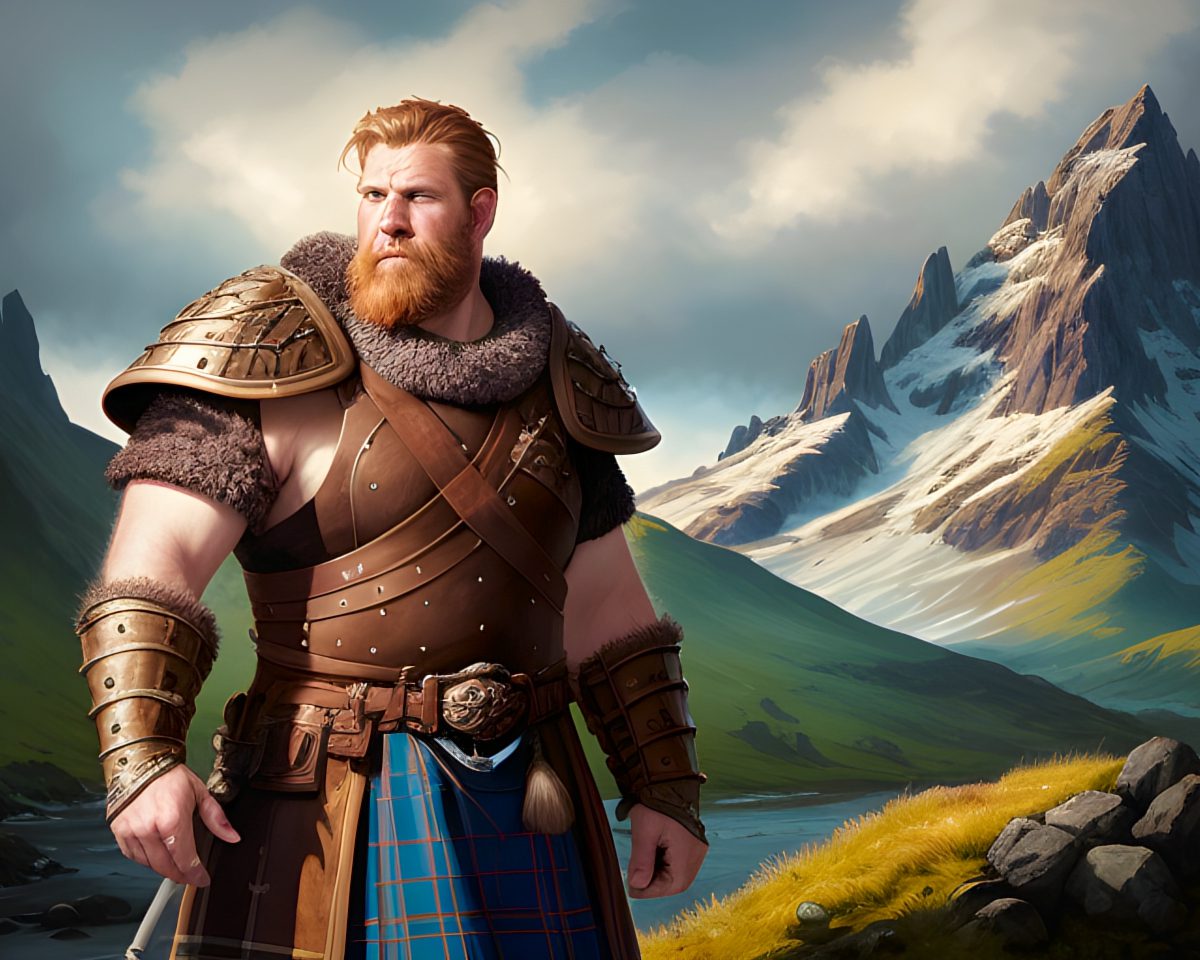
Benandonner is a fascinating figure in Irish mythology, particularly known for his association with the legendary Giant’s Causeway in Northern Ireland. This mythical giant is often depicted as a fierce and powerful being, whose stories have been passed down through generations. The tales surrounding Benandonner are rich in cultural significance, illustrating themes of bravery, strength, and the rivalry between giants. The lore of Benandonner is intricately linked to the heroic figure of Fionn mac Cumhaill, another central character in Irish legends. Together, their stories weave a complex tapestry of myth and folklore that has captivated audiences for centuries.
The Origins of Benandonner
Benandonner’s origins are steeped in mystery and intrigue. He is said to be a giant from Scotland, specifically from the island of Staffa. According to the legends, he was a formidable giant, known for his immense size and strength. His presence was felt far and wide, as he roamed the lands, leaving tales of his might in his wake. The stories suggest that Benandonner was not only physically imposing but also had a fierce temperament. This combination of strength and anger made him a formidable adversary for anyone who dared to challenge him.
 Beltane
The tales of Benandonner often describe him as a guardian of the lands he inhabited. He was perceived as a protector, but also as a potential threat to those who crossed into his territory. His character reflects the dual nature of giants in mythology—both protectors and destroyers. This duality is essential in understanding the cultural significance of giants in Irish folklore, where they often embody the balance between nature’s beauty and its potential for destruction.
Benandonner and the Giant’s Causeway
The Giant’s Causeway is one of the most famous geological formations in Ireland, and it is deeply intertwined with the legend of Benandonner. According to the stories, Benandonner built the causeway to cross over to Ireland and confront his rival, Fionn mac Cumhaill. This act of creating a path between the two lands symbolizes the connection and conflict between the giants of Ireland and Scotland. The causeway itself is made up of thousands of interlocking basalt columns, which some believe were formed by volcanic activity. However, the mythological explanation adds a layer of enchantment to this natural wonder.
 Bec Mac Buain
As the tale goes, Benandonner’s motivation for crossing into Ireland was to challenge Fionn to a duel. The rivalry between these two giants is a central theme in many Irish myths, showcasing the idea of competition and honor among warriors. The Giant’s Causeway serves as a physical representation of this rivalry, marking the battleground where their stories unfold. Visitors to the site often feel the weight of history and legend, imagining the colossal figures who once walked the paths now lined with stones.
The Encounter with Fionn mac Cumhaill
The encounter between Benandonner and Fionn mac Cumhaill is one of the most thrilling aspects of the legend. Fionn, known for his cleverness and strength, was aware of Benandonner’s approach and devised a plan to confront the giant. He understood that a direct battle might not be the best course of action, given Benandonner’s immense size and strength. Instead, Fionn decided to use his wits to outsmart the giant. This aspect of the story highlights the importance of intelligence over brute force in Irish mythology.
When Benandonner arrived at the shores of Ireland, he was met with a surprising sight. Fionn had transformed himself into a small baby, lying in a cradle. This clever ruse was intended to deceive Benandonner into believing that Fionn was much smaller than he actually was. When Benandonner saw the ‘baby,’ he was astonished and began to wonder how large Fionn must be if this was his child. This moment is a pivotal point in the tale, illustrating the themes of deception and cleverness in the face of overwhelming odds.
 Bébinn
The Battle of Wits
The battle between Benandonner and Fionn mac Cumhaill is not merely a physical confrontation; it is a contest of wits and strategy. As the story unfolds, Fionn’s cleverness becomes apparent. He convinces Benandonner that he should not underestimate him, despite appearing as a mere infant. The giant, intrigued and somewhat intimidated, begins to reconsider his approach. This shift in Benandonner’s perception underscores the idea that true strength lies not just in physical power, but also in the ability to think strategically and adapt to situations.
Fionn’s clever tactics continue as he fabricates stories about his own abilities and lineage, portraying himself as a mighty warrior. He even goes so far as to suggest that his ‘child’ could grow into a formidable giant. Benandonner, still captivated by the idea of Fionn’s potential, starts to feel apprehensive about the impending confrontation. This psychological warfare adds depth to the tale, showcasing the importance of cunning in mythological narratives.
The Retreat of Benandonner
Eventually, the encounter reaches a climax when Benandonner decides to retreat. Overwhelmed by the idea of facing a giant as large as Fionn, he hastily makes his way back to Scotland. The retreat of Benandonner serves as a significant turning point in the legend, illustrating the triumph of intellect over brute strength. This aspect of the story resonates with audiences, emphasizing that cleverness and strategy can often prevail in challenging situations.
As Benandonner makes his way back across the Giant’s Causeway, he is said to have destroyed parts of the pathway in his haste. This act symbolizes his fear and the impact of his defeat. The remnants of the causeway, with its unique geological formations, serve as a reminder of the legendary clash between the two giants. The landscape itself becomes a part of the narrative, embodying the history and tales of the giants who once roamed the earth.
The Legacy of Benandonner
The legacy of Benandonner extends beyond his tales of rivalry with Fionn mac Cumhaill. He has become a symbol of strength and the archetype of the giant in Irish mythology. His stories have influenced various forms of art, literature, and cultural expressions throughout the years. The narratives surrounding Benandonner highlight the values of bravery, resilience, and the importance of wit in overcoming challenges. His character serves as a reminder of the rich tapestry of Irish folklore and the lessons that can be gleaned from these ancient tales.
In contemporary culture, Benandonner is often referenced in discussions about giants and folklore. His story continues to resonate with people, as it encapsulates universal themes of conflict, cunning, and the triumph of the underdog. The giant’s figure has been adapted in various ways, from children’s stories to modern interpretations in theater and film. This adaptability of the legend speaks to its enduring appeal and relevance in today’s society.
The Influence on Irish Culture
Benandonner’s influence on Irish culture cannot be overstated. He is part of a larger tradition of storytelling that has shaped the identity of the Irish people. Myths and legends play a crucial role in preserving history, values, and cultural heritage. The tales of giants like Benandonner and Fionn mac Cumhaill are not merely stories; they are vessels of tradition that connect generations and foster a sense of community. Through storytelling, the lessons and morals embedded in these myths are passed down, ensuring their survival in the modern world.
Moreover, the stories of Benandonner and the Giant’s Causeway have become integral to the tourism industry in Ireland. Visitors flock to the site, eager to experience the natural beauty and the legends associated with it. This interaction between myth and landscape enriches the visitor experience, allowing people to engage with the culture on a deeper level. The enduring fascination with giants and their stories continues to attract interest, making Benandonner a beloved figure in Irish mythology.
The Modern Interpretation of Giants
In recent years, the concept of giants has evolved in popular culture, influenced by the stories of figures like Benandonner. Giants are often depicted in literature and film as both antagonists and heroes, showcasing a range of characteristics that reflect contemporary values. The tales of Benandonner remind us that giants can embody both strength and vulnerability, as seen in the complexities of his rivalry with Fionn mac Cumhaill. This duality allows for a richer exploration of character and themes in modern storytelling.
Furthermore, the fascination with giants extends beyond Irish mythology. In various cultures around the world, giants are prevalent figures in folklore, each with their unique characteristics and stories. The universal appeal of giants speaks to humanity’s desire to understand the larger-than-life aspects of existence. As cultures continue to share and reinterpret these myths, the legacy of giants like Benandonner will undoubtedly persist, adapting to new contexts while retaining their core themes.
Benandonner stands as a significant figure in Irish mythology, representing the rich tradition of storytelling that has shaped the cultural landscape of Ireland. His tales of rivalry with Fionn mac Cumhaill illustrate the timeless themes of strength, cleverness, and the enduring nature of myths. As we continue to explore the stories of giants, we are reminded of the power of folklore to connect us to our past and to one another.