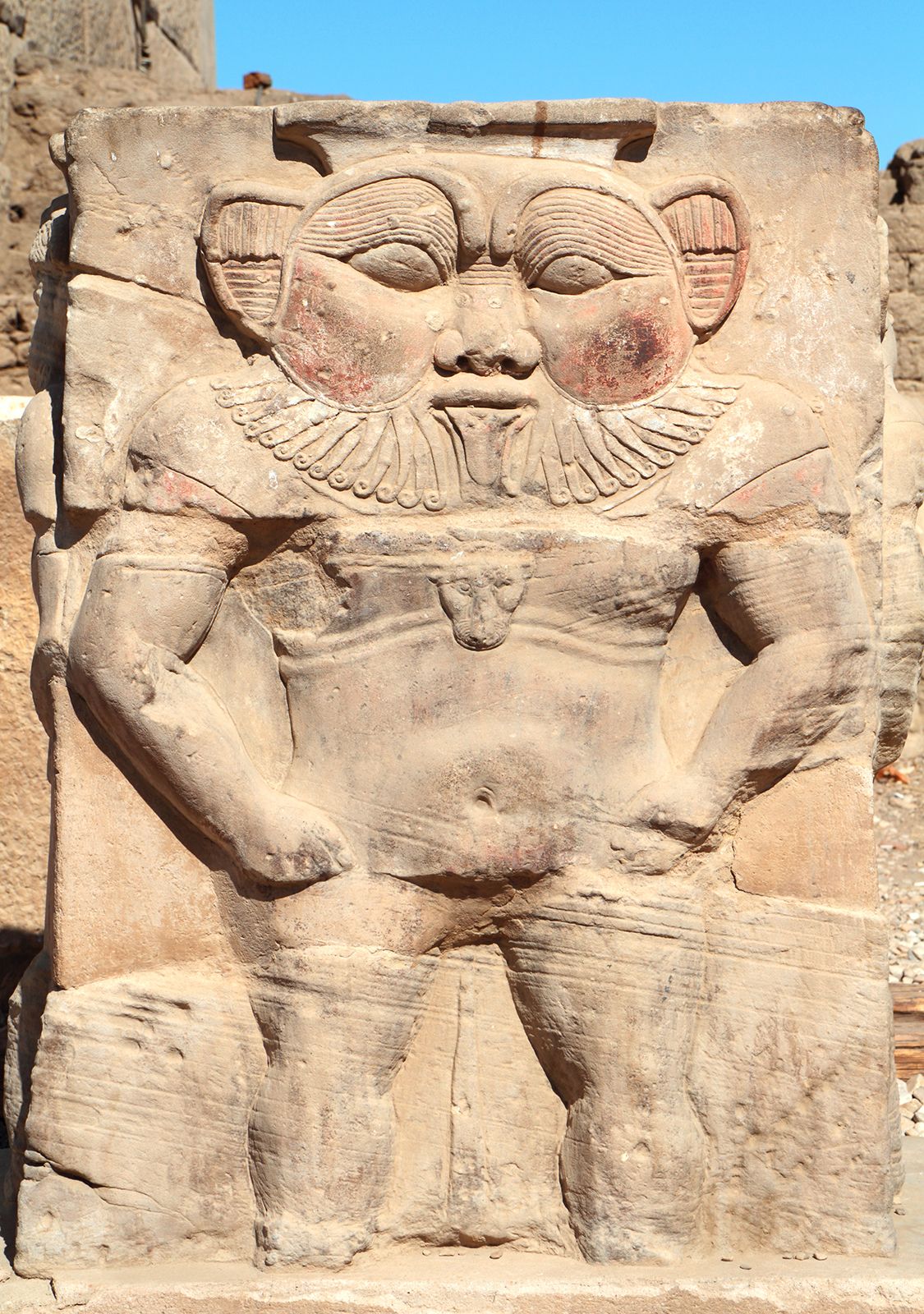
In ancient Egyptian mythology, Bes is a fascinating and unique deity who plays a significant role in the spiritual and daily lives of the ancient Egyptians. Unlike many other gods in the Egyptian pantheon, Bes is not associated with the vastness of the sky or the depths of the underworld. Instead, he is a household god who brings joy, protection, and good fortune to families. His image is often found in homes, amulets, and various artifacts, reflecting his importance in the everyday lives of the people.
The Appearance of Bes
Bes is often depicted in a very distinctive manner that sets him apart from other Egyptian gods. He is usually shown as a dwarf with a lion-like face, sticking out his tongue and displaying a broad grin. This representation symbolizes his role as a protector and a bringer of happiness. His body is often covered in feathers, and he is sometimes portrayed holding a musical instrument or a weapon, emphasizing his dual role as a guardian and a source of entertainment.
 Benu
BenuOne of the most striking features of Bes is his facial expression. His exaggerated smile and protruding tongue are thought to ward off evil spirits and bring joy to those who gaze upon him. This playful appearance made him popular among families, as people believed that having his image in their homes would ensure happiness and safety. In many depictions, Bes is shown dancing, which further reinforces his association with joy and celebration.
The Role of Bes in Egyptian Society
Bes held a special place in Egyptian society, particularly in the context of family and domestic life. He was seen as a protector of mothers and children, often invoked during childbirth and other family-related events. Pregnant women would wear amulets featuring Bes to ensure a safe delivery and a healthy baby. This highlights his role as a nurturer and a guardian of the family unit, emphasizing the importance of family in ancient Egyptian culture.
Moreover, Bes was also associated with music and dance, making him a vital figure in celebrations and festivals. His lively nature and connection to merriment made him a favorite among the people. Festivals in his honor often included music, dance, and feasting, where families would come together to celebrate life and joy. This aspect of Bes’s character showcases the significance of community and togetherness in ancient Egyptian society.
 Bat
BatWorship and Rituals Associated with Bes
The worship of Bes was widespread throughout ancient Egypt, and his presence was felt in both public and private spheres. In homes, small statues or images of Bes were placed in prominent locations to invoke his protective powers. People would often pray to him for assistance in their daily lives, particularly for issues related to family, health, and happiness. His worship was not limited to the elite; common people also honored him, demonstrating his accessibility and importance to all levels of society.
In addition to personal devotion, there were public rituals dedicated to Bes. These rituals often included music, dancing, and offerings of food and drink. Participants would engage in joyous celebrations, reflecting the lively spirit of Bes. Such events served not only to honor the deity but also to strengthen community bonds, as families and neighbors came together in shared celebration. The connection between worship and community life is a testament to the integral role that Bes played in the spiritual landscape of ancient Egypt.
Bes in Art and Iconography
The representation of Bes in ancient Egyptian art is abundant and diverse. His image appears on a variety of objects, including pottery, jewelry, and household items. One common form of iconography is the Bes amulet, which was worn for protection and good fortune. These amulets were particularly popular among women and children, who were believed to be more vulnerable to malevolent forces. The widespread use of Bes’s image in personal items highlights the trust and reliance that the ancient Egyptians placed on this deity.
 Bastet
Artistic depictions of Bes often emphasize his joyful nature and protective qualities. He is frequently shown in dynamic poses, dancing or playing music, which reflects his role as a bringer of happiness. Additionally, his lion-like features symbolize strength and courage, making him an ideal guardian for families. The duality of his character—both a playful entertainer and a fierce protector—makes him a unique figure in Egyptian mythology.
The Symbolism of Bes
Bes embodies several important themes in Egyptian mythology, making him a multifaceted deity. His primary symbolism revolves around protection and joy. As a guardian of the home and family, he represents the safety and well-being of loved ones. His playful demeanor and association with music and dance highlight the importance of joy and celebration in life. In a society that faced various challenges, such as disease and conflict, the presence of Bes served as a reminder to cherish moments of happiness.
Furthermore, Bes is often linked to fertility and childbirth. His protective role during pregnancy and childbirth emphasizes the significance of family and the continuation of life. This aspect of his symbolism is particularly important in a culture that valued lineage and offspring. By ensuring safe deliveries and healthy children, Bes contributed to the stability and prosperity of families and, by extension, society as a whole.
Comparative Analysis: Bes and Other Deities
When comparing Bes to other deities in the Egyptian pantheon, it becomes clear that he occupies a unique niche. Unlike gods such as Osiris, who is associated with the afterlife, or Ra, who represents the sun and creation, Bes is a distinctly domestic figure. His focus on family, joy, and protection sets him apart from the more grandiose and powerful gods. This difference highlights the diversity of the Egyptian religious experience, where deities served various aspects of life.
Another notable comparison can be made between Bes and the goddess Hathor. While Hathor is associated with motherhood, love, and beauty, she also embodies the aspects of music and dance. Both deities share a connection to joy and celebration, but Bes’s role is more localized and personal. He is primarily a protector of the household, while Hathor has broader associations with fertility and love. This distinction emphasizes the complementary nature of Egyptian deities, each fulfilling specific roles within the larger spiritual framework.
The Legacy of Bes in Modern Culture
The influence of Bes extends beyond ancient Egypt and continues to resonate in modern culture. His image and symbolism have been revived in various forms of art, literature, and popular culture. For example, the playful and protective characteristics of Bes have inspired contemporary interpretations in graphic novels and animated films. These representations often emphasize his role as a guardian figure, appealing to audiences who appreciate themes of protection and joy.
Additionally, the resurgence of interest in ancient Egyptian mythology has led to a renewed fascination with deities like Bes. Museums and educational institutions often feature exhibitions that highlight the significance of household gods, allowing modern audiences to explore the rich tapestry of Egyptian beliefs. This ongoing interest underscores the enduring legacy of Bes and his importance in understanding the complexities of ancient Egyptian culture.
Conclusion: The Enduring Appeal of Bes
Bes remains a captivating figure in Egyptian mythology, embodying the values of joy, protection, and family. His unique characteristics and role in society set him apart from other deities, making him a beloved figure among the ancient Egyptians. The continued interest in Bes in modern culture reflects the timeless appeal of his symbolism and the universal themes he represents. As we explore the rich tapestry of Egyptian mythology, the significance of Bes serves as a reminder of the importance of joy, protection, and community in our lives.