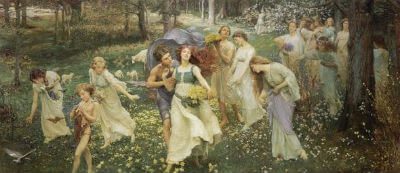
Beltane is one of the most significant festivals in Irish mythology, marking the beginning of summer and celebrated on the first of May. This ancient festival is deeply rooted in pagan traditions and is associated with fertility, fire, and the renewal of life. Beltane is derived from the name of the Celtic god Belenus, who was associated with fire and light. The festival was a time for communities to come together, celebrate the warmer months, and participate in rituals that honored the earth and the fertility of crops and livestock.
The Origins of Beltane
The origins of Beltane can be traced back to ancient Celtic traditions, where it was celebrated as a fire festival. It marked the midpoint between the spring equinox and the summer solstice. The Celts believed that fire had purifying qualities and was a way to honor the sun. Bonfires were lit on hilltops, and people would gather around them to celebrate. These fires were thought to bring blessings for the crops and ensure a fruitful harvest. The flames were also a way to ward off evil spirits, making Beltane a time of protection and renewal.
 Bec Mac Buain
During this time, rituals and ceremonies were performed to honor the deities associated with fertility and agriculture. Offerings were made to the gods, and people would pray for a bountiful season. In some regions, it was customary to jump over the Beltane fires, as it was believed to bring good luck and enhance fertility. This practice symbolized the cleansing of the past and the welcoming of new beginnings.
Modern Celebrations of Beltane
In Ireland, Beltane is recognized as a time to honor the earth and its cycles. Communities come together to celebrate with feasts, music, and storytelling. Many people also engage in nature walks, honoring the beauty of the blooming flowers and the return of life to the land. The emphasis on community and connection to nature remains a central theme of Beltane celebrations today.
 Bébinn
The Symbolism of Beltane
Beltane is rich in symbolism, representing the transition from the cold, dark months of winter to the warmth and vibrancy of summer. The festival is associated with fertility, not just for crops and livestock, but also for relationships and personal growth. The bonfires symbolize the sun’s energy, which is essential for life. They serve as a reminder of the importance of light and warmth in our lives.
Another important symbol of Beltane is the Maypole. The maypole dance involves weaving colorful ribbons around a tall pole, representing the intertwining of life and the cycles of nature. This dance is not only a celebration of fertility but also a way to honor the interconnectedness of all living things. The vibrant colors of the ribbons symbolize the diversity and richness of life.
Rituals and Traditions
Various rituals and traditions are associated with Beltane, many of which have been passed down through generations. One of the most well-known traditions is the lighting of bonfires. Communities would gather to light large fires, often on hilltops, to celebrate the arrival of summer. People would dance around the fires, sing songs, and share stories. The smoke from the bonfire was believed to have protective qualities, safeguarding the community from evil spirits.
 Bean Nighe
Another common tradition is the decoration of homes and fields with flowers and greenery. This practice symbolizes the fertility of the earth and the abundance of life. People would often create flower crowns and garlands, wearing them as a sign of celebration and connection to nature. These decorations served not only as a festive display but also as a way to honor the earth’s beauty and bounty.
The Importance of Beltane in Irish Culture
Beltane holds a significant place in Irish culture, as it represents the deep connection between the people and the land. The festival is a time to acknowledge the changing seasons and the cycles of life. It serves as a reminder of the importance of agriculture and the reliance on the earth for sustenance. In a time when many people lived off the land, Beltane was crucial for ensuring a good harvest and the well-being of the community.
Additionally, Beltane is a time for celebrating relationships and community bonds. It is a time when people come together to share in the joys of life, strengthen connections, and support one another. This emphasis on community reflects the values of cooperation and harmony that are central to Irish culture.
Beltane and Nature
Nature plays a vital role in the celebration of Beltane. The festival occurs during a time when the earth is awakening from the winter slumber, with flowers blooming and animals becoming more active. This vibrant display of life is a source of inspiration for many who celebrate Beltane. People often take the opportunity to connect with nature through hikes, picnics, and outdoor gatherings.
Many Beltane celebrations incorporate elements of nature worship, where participants express gratitude for the earth’s gifts. This can include planting seeds, honoring trees, and acknowledging the importance of wildlife. The festival encourages people to appreciate the beauty of the natural world and to recognize their place within it.
Beltane in Literature and Folklore
Beltane has been referenced in various works of literature and folklore, showcasing its importance in Irish culture. Stories and poems often depict the festival as a time of magic and transformation. Folklore tells of fairies and other mystical beings who are particularly active during this time, adding to the enchanting atmosphere of the celebrations.
Many tales speak of the connections between Beltane and the land, emphasizing the relationship between humans and nature. These stories often highlight the themes of fertility, growth, and renewal, reflecting the core values of the festival. Through literature and storytelling, the traditions of Beltane continue to be passed down, preserving the rich cultural heritage of Ireland.
The Spiritual Aspects of Beltane
Beltane is not only a celebration of the physical world but also a time for spiritual reflection. Many people use this festival as an opportunity to connect with their inner selves and seek guidance from the divine. Rituals may include meditation, prayer, and the setting of intentions for the coming months. The fire is often seen as a source of spiritual energy, providing clarity and insight.
The spiritual aspect of Beltane encourages individuals to reflect on their personal growth and the cycles of their lives. It is a time to release what no longer serves them and to embrace new opportunities. This introspective element adds depth to the celebrations, allowing participants to engage in both communal festivities and personal exploration.
Beltane Across Cultures
While Beltane is primarily associated with Irish mythology, similar celebrations can be found in various cultures around the world. Many societies have their own spring festivals that celebrate the arrival of warmer weather and the fertility of the land. These celebrations often include similar elements, such as bonfires, dancing, and feasting.
In Scotland, for example, the festival of Beltane is still celebrated with great enthusiasm. The Scottish version includes similar rituals, such as lighting bonfires and participating in traditional dances. Other cultures also have their unique interpretations of spring festivals, each reflecting their customs and beliefs while celebrating the same themes of fertility and renewal.
The Legacy of Beltane
The legacy of Beltane continues to thrive in modern times, with many people seeking to reconnect with their cultural roots. The festival serves as a reminder of the importance of community, nature, and the cycles of life. As people become more aware of environmental issues, Beltane’s emphasis on honoring the earth and its resources resonates strongly in today’s society.
Through the revival of ancient traditions, Beltane has become a way for individuals to express their connection to the past while embracing the present. Many communities hold workshops, classes, and events that focus on the teachings of Beltane, encouraging people to engage with the earth and their cultural heritage.
Beltane and the Wheel of the Year
Beltane is one of the key festivals in the Wheel of the Year, a modern pagan calendar that marks the changing seasons and agricultural cycles. The Wheel of the Year includes eight festivals, each representing a different point in the cycle of nature. Beltane, celebrated on May 1st, falls midway between the spring equinox and the summer solstice, highlighting its importance as a time of growth and renewal.
The Wheel of the Year provides a framework for understanding the natural cycles and how they impact our lives. Each festival, including Beltane, serves as a reminder of the interconnectedness of all living things and the importance of living in harmony with the earth. As people celebrate Beltane, they honor not only their cultural traditions but also their relationship with the natural world.
Beltane is a vibrant and meaningful festival deeply rooted in Irish mythology. Its rich history, symbolism, and traditions continue to resonate with people today. As a celebration of life, fertility, and community, Beltane serves as a reminder of the importance of honoring the earth and embracing the cycles of nature. Whether through ancient rituals or modern festivities, the spirit of Beltane lives on, inviting everyone to participate in the joy of life and the beauty of the natural world.