
Belphegor is a significant figure in Canaanite mythology, often associated with the worship of fertility and wealth. This ancient deity was particularly venerated in the regions that correspond to modern-day Israel, Jordan, and Lebanon. The name Belphegor is derived from the Hebrew word “Baal-Peor,” which translates to “Lord of Peor.” This name suggests a connection to the Moabite god, Peor, who was worshipped in the ancient city of Peor. Belphegor’s worship involved various rituals, including offerings and sacrifices, aimed at gaining his favor and blessings.
Origins of Belphegor
 Baal
BaalThe origins of Belphegor can be traced back to the ancient Near East, where various cultures worshipped deities associated with agriculture, fertility, and prosperity. In the context of Canaanite mythology, Belphegor is often linked to the earth and the bounty it provides. This connection highlights the importance of agriculture in ancient societies, where the success of crops directly influenced survival and prosperity. As such, Belphegor became a central figure in rituals that sought to ensure a fruitful harvest and a stable community.
Belphegor’s cult was especially prominent among the Moabites, who lived in close proximity to the Canaanites. The worship of this deity often involved sexual rites and fertility rituals, which were believed to enhance agricultural productivity. These practices reflected the ancient belief that divine favor was essential for success in farming and that deities like Belphegor could directly influence the fertility of the land.
Belphegor in Ancient Texts
Belphegor is mentioned in several ancient texts, including the Hebrew Bible. One of the most notable references can be found in the Book of Numbers, where the Israelites are said to have been seduced into worshipping Baal-Peor. This incident highlights the tensions between the Israelites and the surrounding cultures, as well as the dangers of idolatry. The worship of Belphegor was often depicted as a corrupting influence, leading the faithful away from their monotheistic beliefs.
 Astronoe
- Numbers 25:1-3: Describes the Israelites’ involvement with the Moabite women and the worship of Baal-Peor.
- Deuteronomy 4:3: Warns against the worship of Baal-Peor and other foreign gods.
- Psalms 106:28-30: Mentions the sacrifices made to Baal-Peor and the resulting consequences for the people.
These texts illustrate the negative perception of Belphegor within the Israelite tradition, portraying him as a symbol of temptation and moral decay. This perception likely contributed to the decline of his worship among the Canaanites as the region transitioned to more centralized forms of worship that emphasized monotheism.
Worship Practices
The worship of Belphegor involved various rituals that aimed to invoke his blessings. These practices were often communal events, bringing together the community to seek divine favor. Offerings to Belphegor typically included grain, livestock, and sometimes even human sacrifices, although the latter was less common. The goal of these offerings was to appease the deity and ensure a bountiful harvest.
One of the most distinctive aspects of Belphegor’s worship was the emphasis on fertility rites. These rituals often included sexual acts that were believed to please the deity and promote fertility in the land. Such practices were not uncommon in ancient religions, where the divine was often associated with the natural cycles of life and death. The fertility rites dedicated to Belphegor were an essential part of the agricultural calendar, marking important seasonal changes.
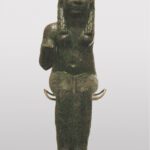 Astarte
Symbols and Iconography
Belphegor is often depicted with various symbols that represent his associations with fertility and wealth. Common representations include images of cattle and grains, which signify abundance and prosperity. In some artistic depictions, Belphegor is shown reclining or resting, which may symbolize the idea of relaxation and enjoyment associated with a bountiful harvest. These images served to reinforce the connection between the deity and the fertility of the land.
- Cattle: Represents wealth and the importance of livestock in ancient societies.
- Grains: Symbolizes agricultural abundance and the sustenance provided by the earth.
- Reclining figures: May depict the deity in a state of rest, emphasizing the rewards of a successful harvest.
Through these symbols, Belphegor’s worshippers sought to express their hopes for a prosperous future and their reliance on divine intervention for success. The imagery associated with Belphegor highlights the central role that agriculture played in the lives of the ancient Canaanites and their deep connection to the land.
Belphegor in Comparative Mythology
Belphegor’s role in Canaanite mythology can be compared to other deities in ancient Near Eastern religions. Many cultures had gods and goddesses dedicated to fertility and agriculture, reflecting a shared understanding of the importance of these elements for survival. For example, the Egyptian goddess Hathor was also associated with fertility and the harvest, while the Mesopotamian god Dumuzi was linked to shepherding and agricultural cycles.
These comparative studies reveal the common themes present in ancient religions, where the worship of deities often revolved around the cycles of nature and the need for human beings to appease these forces. Belphegor, like many other fertility gods, served as a mediator between the divine and human realms, ensuring that the community received the blessings necessary for survival.
Influence on Later Religions
The influence of Belphegor and similar deities can be seen in the development of later religious traditions. As monotheistic beliefs began to take hold in the region, many of the practices associated with fertility worship were reinterpreted or abandoned. However, the core ideas surrounding the importance of fertility and the harvest persisted, often manifesting in new forms within these evolving religious frameworks.
- Christianity: The concept of divine providence in agricultural matters can be traced back to earlier beliefs, including those surrounding Belphegor.
- Islam: Similar themes of divine favor and the importance of agriculture are present in Islamic teachings, reflecting the region’s historical context.
- Modern Paganism: Some contemporary pagan practices draw upon ancient fertility rites, which may have been influenced by figures like Belphegor.
As these religious traditions evolved, the negative perceptions of deities like Belphegor were often replaced with more positive interpretations of divine intervention in human affairs. The transition from polytheism to monotheism marked a significant shift in how these ancient figures were understood and integrated into the broader narrative of religious history.
Belphegor in Popular Culture
In modern times, Belphegor has made appearances in various forms of popular culture, including literature, film, and music. These portrayals often draw upon the ancient associations of the deity with temptation, indulgence, and corruption. For example, in literature, Belphegor is sometimes depicted as a seductive figure, embodying the allure of excess and the dangers of straying from moral paths.
In film and television, Belphegor has been used as a symbol of evil or temptation, often representing the struggle between good and evil. These portrayals may not accurately reflect the ancient worship of Belphegor but rather reinterpret the figure to fit contemporary narratives. The enduring fascination with figures like Belphegor highlights the complex relationship between ancient mythology and modern storytelling.
Examples in Popular Culture
Belphegor’s influence can be seen in various artistic expressions, ranging from music to visual arts. In music, several bands and artists have referenced Belphegor in their works, often associating him with themes of darkness and temptation. This connection underscores the enduring legacy of ancient mythologies in shaping modern artistic expressions.
- Heavy Metal: Bands like Belphegor (the band) use the name to evoke themes of darkness and rebellion.
- Literature: Various authors have incorporated Belphegor into their narratives, often portraying him as a figure of seduction.
- Visual Arts: Artists have created works inspired by the imagery and symbolism associated with Belphegor, reflecting contemporary interpretations of ancient myths.
These modern representations serve to keep the memory of Belphegor alive, allowing new generations to engage with the rich tapestry of Canaanite mythology and its relevance in contemporary culture.
Legacy of Belphegor
The legacy of Belphegor extends beyond ancient worship practices and into the realms of cultural memory and storytelling. As societies have evolved, the stories and symbols associated with Belphegor have been adapted and transformed, reflecting changing values and beliefs. This adaptability has allowed Belphegor to remain a relevant figure in discussions about morality, temptation, and the human condition.
In academic circles, the study of Belphegor and other ancient deities provides valuable insights into the social and religious dynamics of ancient Canaanite society. Understanding the worship practices and beliefs surrounding Belphegor allows scholars to reconstruct aspects of daily life, community organization, and the interplay between religion and agriculture in the ancient world.
Modern Interpretations and Relevance
Today, Belphegor is often referenced in discussions about the dangers of excess and the moral implications of indulgence. His association with fertility and wealth serves as a reminder of the delicate balance between seeking prosperity and maintaining ethical standards. In this sense, Belphegor continues to resonate with contemporary audiences, inviting reflection on the choices individuals make in their pursuit of happiness and success.
- Ethical Consumption: Discussions about consumerism and sustainability can draw parallels to the excesses associated with Belphegor.
- Spiritual Reflection: Belphegor’s legacy invites individuals to consider their own values and the potential consequences of their actions.
- Artistic Inspiration: The figure of Belphegor continues to inspire artists, writers, and musicians, ensuring that his story remains part of cultural discourse.
Through these modern interpretations, Belphegor’s legacy endures, serving as a bridge between ancient beliefs and contemporary values. His story is a testament to the power of mythology to shape human understanding and experience across the ages.