
In Irish mythology, Badb is one of the most intriguing figures associated with war and fate. She is often depicted as a goddess or a morrigan, a term used to describe a trio of war deities that includes Badb, Macha, and the Phantom Queen. Badb is particularly noted for her ability to influence the outcomes of battles and the lives of warriors. Her presence on the battlefield was believed to bring either victory or defeat, depending on her mood. This article will delve into her origins, characteristics, and the role she plays in Irish mythology.
Origins of Badb
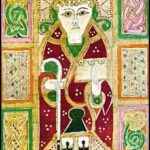 Art Mac Cuinn
The origins of Badb are steeped in the rich tapestry of Irish mythology. She is often associated with the Tuatha Dé Danann, a supernatural race in Irish lore known for their magical abilities and heroic deeds. Badb’s name itself is derived from the old Irish word for “crow,” and she is frequently depicted as a battle crow. This imagery symbolizes her connection to war and death. The Tuatha Dé Danann were believed to have descended from the goddess Danu, making Badb a powerful figure within this divine lineage.
Badb is sometimes described as having the ability to shape-shift, taking on the form of a crow or a raven. This transformation serves to emphasize her role as a harbinger of death and destruction. In many stories, her appearance on the battlefield is accompanied by ominous signs, foreshadowing the outcome of the conflict. This ability to shift forms underscores her connection to the otherworld, a central theme in Irish mythology where the boundaries between life and death are often blurred.
Characteristics of Badb
Badb is characterized by her fierce and unpredictable nature. She embodies the chaotic aspects of war and is often portrayed as a warrior goddess. Unlike other deities who may be more nurturing or protective, Badb thrives in the chaos of battle. Her temperament can shift from being a fierce protector of her warriors to a ruthless avenger against those she deems unworthy. This duality makes her a complex figure within Irish mythology, as she embodies both life and death.
 Nuada
NuadaHer association with crows is significant, as these birds are often seen as omens in many cultures. In Irish lore, the presence of a crow is seen as a sign of impending doom. Badb’s ability to predict the outcomes of battles adds to her mystique, as she is often seen as a prophetess of sorts. Warriors would invoke her name before going into battle, hoping to gain her favor and secure a victory.
Badb in the Context of War
In the context of war, Badb plays a crucial role as a figure who influences the fate of warriors. She is often depicted as a battlefield deity, actively participating in conflicts and guiding the actions of her chosen champions. Legends suggest that she would appear on the battlefield, either in human form or as a crow, to inspire fear in the hearts of her enemies. Her presence was said to be a decisive factor in many battles, leading to either victory or defeat for the warriors who called upon her.
One of the most famous tales involving Badb is the story of the Battle of Magh Tuiredh, where she is said to have played a pivotal role. In this battle, she is believed to have aided the Tuatha Dé Danann against the Fomorians, a group of supernatural beings often depicted as adversaries of the gods. Badb’s intervention was crucial in turning the tide of battle, demonstrating her power and influence over the outcome of conflicts.
 Arca Dubh
Badb and the Morrigan
Badb is often grouped with Macha and the Phantom Queen, forming a triad known as the Morrigan. This trio represents different aspects of warfare, fate, and death. While Badb embodies the chaotic nature of battle, Macha is associated with sovereignty and the power of the land, and the Phantom Queen represents the aspect of prophecy and the afterlife. Together, they symbolize the multifaceted nature of conflict and its impact on both the living and the dead.
The Morrigan is frequently depicted as a shape-shifter, and Badb’s ability to transform into a crow aligns her with this trait. The three goddesses often appear together in myths, highlighting their interconnectedness and the shared themes of war and fate. Their collective presence in stories serves to underscore the importance of divine intervention in human affairs, particularly in the context of battles and struggles for power.
Badb in Modern Culture
In modern culture, Badb continues to be a source of inspiration for various forms of art, literature, and entertainment. Her character has been explored in novels, films, and even video games, where she is often portrayed as a powerful and enigmatic figure. The themes of fate, war, and transformation resonate with contemporary audiences, making her a relevant figure in today’s storytelling.
Moreover, Badb’s association with crows and their symbolic significance has led to her being embraced in various cultural contexts. The imagery of crows as omens and guides is prevalent in many traditions, and Badb serves as a bridge between ancient Irish mythology and modern interpretations of these themes. Artists and writers draw upon her complex nature to explore the darker aspects of humanity and the inevitability of death.
Legends and Stories Involving Badb
Numerous legends feature Badb, showcasing her power and influence. One of the most notable stories is the tale of Cú Chulainn, a legendary hero in Irish mythology. In this story, Badb appears to Cú Chulainn before a crucial battle, warning him of the impending dangers. Her prophetic words guide him, allowing him to prepare for the challenges ahead. This interaction highlights her role as a guide and protector, even as she embodies the chaotic nature of war.
- The Battle of Magh Tuiredh: Badb’s intervention in this battle showcases her power and influence.
- Cú Chulainn: Her prophetic warnings guide the legendary hero in his quests.
- Other tales: Badb appears in various stories, influencing the fates of heroes and warriors.
Another tale involves the Cattle Raid of Cooley, where Badb’s presence is felt as she influences the outcome of the conflict. In this story, she is said to have appeared on the battlefield, instilling fear in the hearts of the enemy. Her ability to predict the outcome of the raid reinforces her status as a powerful deity associated with war and fate. These stories illustrate how Badb’s character is woven into the fabric of Irish mythology, influencing the lives of heroes and the course of history.
Symbolism of Badb
The symbolism of Badb is rich and varied, encompassing themes of war, death, and transformation. Her association with crows serves as a powerful symbol of the afterlife and the unknown. In many cultures, crows are seen as messengers between the living and the dead, and Badb embodies this connection. Her ability to shape-shift into a crow reinforces her role as a guide for souls transitioning from life to death.
Additionally, Badb symbolizes the chaos of battle. Her unpredictable nature reflects the turmoil and uncertainty that accompanies war. This aspect of her character serves as a reminder of the fragility of life and the ever-present possibility of death. In this way, Badb represents the duality of existence, where life and death are intertwined, and the outcomes of battles can shift in an instant.
Worship and Cultural Impact
Historically, Badb was likely worshipped by the ancient Irish as a goddess of war and fate. Rituals and offerings may have been made to seek her favor before battles, as warriors sought to secure her protection and guidance. While specific practices are not well-documented, her significance in mythology suggests that she held an important place in the spiritual lives of the ancient Irish.
In contemporary times, Badb has been embraced by various neopagan and spiritual movements that draw upon ancient Irish traditions. Her character is often celebrated in festivals, art, and literature, allowing modern audiences to connect with her mythological roots. This revival of interest in Badb and other figures from Irish mythology highlights the enduring legacy of these ancient stories and their relevance in today’s world.
Conclusion: The Enduring Legacy of Badb
Badb’s legacy continues to resonate through the ages, representing the complexities of war, fate, and transformation. Her multifaceted nature as a goddess of battle, a harbinger of death, and a prophetic figure speaks to the human experience of conflict and mortality. As we explore the stories and symbolism surrounding Badb, we gain insight into the rich tapestry of Irish mythology and the timeless themes that continue to inspire and captivate us.