
In the realm of Irish mythology, Balor stands out as a significant figure, known for his immense power and tragic story. He is often depicted as a giant with a deadly eye that could destroy anything in its path. This fearsome trait made him a formidable opponent in various myths and legends. Balor is a member of the Fomorians, a group of supernatural beings often portrayed as antagonists in Irish folklore. His story intertwines with themes of power, betrayal, and the cyclical nature of life and death, making him a complex character in the tapestry of Irish myth.
Origins of Balor
The origins of Balor are steeped in the ancient stories of the Tuatha Dé Danann, a race of gods and heroes in Irish mythology. Balor is said to be the grandson of the sea god Neit and the son of Delbaeth. His lineage connects him to the ancient powers of the land and sea, giving him a unique position among the mythological figures. The Fomorians, of which Balor is a prominent member, are often described as beings of chaos and darkness, contrasting sharply with the light and order represented by the Tuatha Dé Danann.
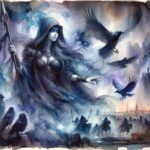 Badb
BadbBalor’s most distinctive feature is his single eye, which is often described as being capable of causing destruction with just a glance. According to legend, this eye was so powerful that it could kill anyone who looked into it. This terrifying ability made Balor a central figure in the battles between the Fomorians and the Tuatha Dé Danann. His eye symbolizes the destructive nature of unchecked power, a recurring theme in many myths where the consequences of such power are explored.
Balor and the Prophecy
Balor’s story is closely tied to a prophecy that foretold his downfall. It was said that he would be killed by his own grandson. This prophecy set the stage for a series of events that would ultimately lead to Balor’s demise. To prevent this prophecy from coming true, Balor took drastic measures. He imprisoned his daughter, Ethlinn, to ensure that she would not bear any children who could threaten his life. This act of desperation highlights Balor’s fear and the lengths he would go to maintain his power.
Despite his efforts, fate has a way of intervening. Ethlinn, however, did give birth to a son named Lugh, who would eventually fulfill the prophecy. Lugh, known for his intelligence and prowess in battle, became a key figure in the struggle against the Fomorians. The story of Balor and Lugh serves as a powerful reminder of the inevitability of fate and the tragic consequences of trying to escape it.
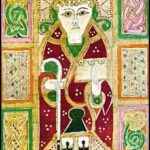 Art Mac Cuinn
The Battle of Mag Tuired
One of the most significant events in which Balor plays a central role is the Battle of Mag Tuired. This battle represents the conflict between the Fomorians and the Tuatha Dé Danann. Balor, as the leader of the Fomorians, faces off against the forces of Lugh and his allies. The battle is characterized by its epic scale and the high stakes involved, as it determines the fate of Ireland itself.
During the battle, Balor’s eye is both a weapon and a curse. His ability to unleash destruction from his gaze makes him a terrifying opponent. However, this very power also becomes his downfall. Lugh, using his cunning and skill, manages to find a way to defeat Balor. In a climactic moment, Lugh strikes Balor in the eye, killing him and fulfilling the prophecy that had loomed over Balor’s life. This moment is not just a victory for Lugh but also symbolizes the triumph of light over darkness, a common theme in many myths.
 Nuada
NuadaThe Symbolism of Balor
Balor embodies several important symbols in Irish mythology. First and foremost, his single eye represents the idea of destructive power. It serves as a warning against the dangers of unchecked ambition and the potential consequences of wielding too much power. In many ways, Balor’s life and death illustrate the cyclical nature of power—how it can rise and fall, often due to the very traits that initially led to its accumulation.
Moreover, Balor’s story also touches on themes of betrayal and familial conflict. His attempts to control his fate by imprisoning his daughter ultimately lead to his downfall. This aspect of his character resonates with the idea that efforts to escape destiny can often lead to tragic consequences. The complex relationships within Balor’s family add depth to his character, making him more than just a villain but a tragic figure caught in the web of fate.
Balor in Modern Culture
In modern times, the figure of Balor has transcended ancient mythology and found its way into various forms of art and literature. His character has been reinterpreted in novels, films, and even video games, often embodying themes of power, fear, and destiny. These adaptations serve to keep the stories of Balor alive, introducing him to new audiences who may not be familiar with Irish mythology.
Additionally, Balor’s story has influenced various artistic expressions. Artists have depicted him in paintings and sculptures, often emphasizing his imposing figure and the ominous nature of his eye. These representations reflect the lasting impact of his character on the cultural imagination, showcasing the power of myth to inspire creativity across generations.
The Legacy of Balor
The legacy of Balor extends beyond his immediate story. He represents a cautionary tale about the dangers of power and the inevitability of fate. His life is a reminder of the complexities of human nature and the struggles that come with ambition and control. Balor’s tale is not just about a giant with a deadly eye; it is a profound exploration of the human experience, woven into the rich tapestry of Irish mythology.
Furthermore, the myths surrounding Balor continue to be a source of inspiration for scholars and enthusiasts of mythology. His character invites analysis and discussion, prompting questions about the nature of good and evil, the role of destiny, and the consequences of our actions. As such, Balor remains a vital part of the narrative landscape of Irish folklore, illustrating the enduring power of myth to engage and challenge our understanding of the world.
Comparative Mythology
Balor’s character can also be examined through the lens of comparative mythology. Similar figures can be found in various cultures, often embodying the dualities of power and destruction. For instance, in Greek mythology, the figure of Polyphemus, the Cyclops, shares similarities with Balor in terms of his monstrous nature and formidable power. Both characters evoke fear and represent the struggle between the forces of chaos and order.
Moreover, the theme of a powerful being being defeated by a younger hero is prevalent in many mythological traditions. This motif often reflects the natural cycle of life, where the old gives way to the new. In Balor’s case, his defeat by Lugh symbolizes not just a personal loss but also a significant shift in power dynamics, highlighting the transition from one era to another.
In the grand narrative of Irish mythology, Balor stands as a compelling character whose story resonates with universal themes of power, fate, and the human condition. His legacy endures, reminding us of the timeless lessons embedded in myth and the intricate relationships that shape our understanding of the world around us. Through Balor, we are invited to reflect on our own struggles with power, destiny, and the consequences of our choices.