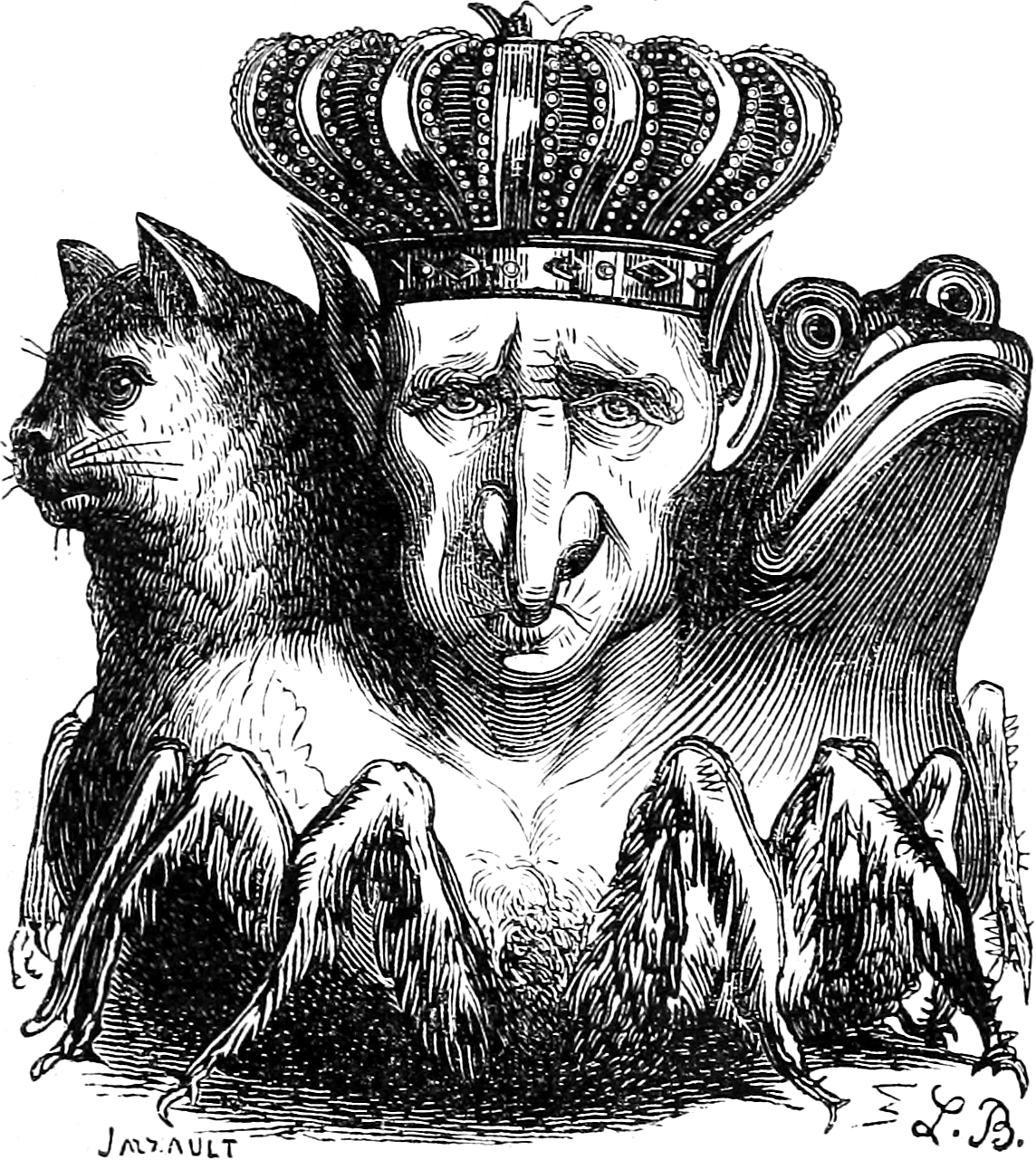
Baal is a name that resonates through history, often associated with ancient deities and fallen angels. This figure has captivated the imaginations of scholars, theologians, and those intrigued by the supernatural. In various cultures, Baal is not merely a single entity but represents a collection of deities worshipped in the ancient Near East. Understanding Baal requires delving into his historical context, the evolution of his worship, and the implications of his character as a fallen angel.
The Historical Context of Baal
The name Baal originates from the Semitic word meaning “lord” or “master.” In ancient times, Baal was worshipped in regions that include modern-day Syria, Lebanon, and Israel. He was often associated with fertility, rain, and agriculture, playing a crucial role in the agricultural societies of the time. This connection to nature made Baal a vital deity for the people who relied on the land for their survival. His worship was integral to various cultures, particularly among the Canaanites and Phoenicians, who saw him as a powerful god capable of influencing the weather and ensuring bountiful harvests.
 Balam
BalamBaal’s character evolved over time, with different regions attributing various qualities and stories to him. In the Canaanite pantheon, he was often depicted as a storm god who wielded lightning and thunder, showcasing his power over the elements. This portrayal was significant as it highlighted his role as a protector of the people, ensuring their prosperity and survival. Additionally, Baal was frequently associated with other deities, such as Asherah and El, further intertwining his significance within the ancient religious framework.
Baal in Ancient Texts
References to Baal can be found in several ancient texts, including the Ugaritic tablets, which date back to the 14th century BCE. These texts provide insight into Baal’s character and the rituals associated with his worship. In these writings, Baal is often depicted as a heroic figure, engaging in battles against other gods and monsters to assert his dominance. One of the most famous stories involves Baal’s confrontation with the sea god Yam, where he defeats him to establish order and control over the chaotic waters.
 Balberith
Another important text is the Hebrew Bible, where Baal is frequently mentioned as a rival to the God of Israel. The Israelites’ struggles against the worship of Baal are well-documented, reflecting the tension between monotheism and polytheism in the ancient world. The narrative often portrays Baal worship as a form of idolatry, leading to significant consequences for those who engage in such practices. These accounts serve to illustrate the cultural and religious conflicts that characterized the ancient Near East, with Baal at the center of these disputes.
Baal as a Fallen Angel
In various religious traditions, the concept of fallen angels is a prominent theme. While Baal is primarily known as a deity, some interpretations suggest that he may also represent a fallen angelic figure. This perspective often arises from the association of Baal with rebellion against a higher power. In many cultures, fallen angels are seen as beings who have turned away from divine authority, leading to their downfall. Baal’s defiance against the God of Israel can be viewed through this lens, as his worship often leads people away from monotheism.
The idea of Baal as a fallen angel resonates with the narrative of rebellion found in various mythologies. In these stories, fallen angels often seek to assert their power and influence over humanity, tempting them away from righteous paths. Baal’s portrayal as a storm god, capable of both destruction and fertility, aligns with this archetype. His dual nature reflects the complexities of divine figures, embodying both benevolence and malevolence, a common theme among fallen angels.
 Baraqijal
The Worship of Baal
The worship of Baal involved various rituals and practices that aimed to appease him and secure his favor. These rituals often included offerings, sacrifices, and festivals dedicated to Baal. In ancient cultures, it was common for people to offer livestock, grains, and other goods to ensure a successful harvest or favorable weather conditions. The most significant festivals often coincided with the agricultural calendar, celebrating the planting and harvesting seasons.
- Offerings: Livestock and grains were commonly sacrificed to Baal.
- Festivals: Major festivals were held to celebrate the planting and harvesting seasons.
- Rituals: Various rituals were performed to invoke Baal’s blessings.
In addition to physical offerings, Baal worship also involved prayers and hymns sung in his honor. Temples dedicated to Baal served as central places for worship, where priests conducted ceremonies and rituals to connect the community with their deity. The involvement of the community in these rituals was crucial, as it fostered a sense of unity and shared belief in Baal’s power. However, the decline of Baal worship coincided with the rise of monotheistic beliefs, particularly in the context of Judaism, which sought to eradicate polytheistic practices.
Baal in Modern Culture
In modern times, the figure of Baal has found its way into various forms of popular culture, literature, and media. His portrayal often reflects the duality of his character, embodying both a sense of allure and danger. Baal is frequently depicted as a powerful entity, capable of granting immense power or knowledge but at a significant cost. This portrayal aligns with the archetype of the fallen angel, emphasizing the themes of temptation and rebellion.
In literature, Baal has appeared in various works, often symbolizing chaos and disorder. Authors have used his character to explore themes of morality, power, and the consequences of straying from righteous paths. Similarly, in films and television shows, Baal is often portrayed as an antagonist, representing the forces of darkness and temptation that characters must confront. These modern interpretations continue to shape the understanding of Baal, allowing him to resonate with contemporary audiences.
The Legacy of Baal
The legacy of Baal extends beyond ancient worship and into the realm of cultural memory. As societies evolved, the worship of Baal faded, but his influence can still be felt in various aspects of modern life. The term “Baal” has become synonymous with false gods or idols, representing anything that diverts attention from true spirituality. This transformation illustrates the enduring impact of Baal on religious discourse, serving as a cautionary tale against idolatry.
Additionally, Baal’s legacy is reflected in ongoing debates about spirituality and the nature of divinity. His story raises important questions about the complexities of belief, the nature of good and evil, and the consequences of human actions. In this way, Baal continues to inspire discussions about faith, morality, and the human condition, ensuring that his legacy remains relevant in contemporary society.
Conclusion: The Enduring Fascination with Baal
The figure of Baal, as a fallen angel and ancient deity, has captivated people for centuries. His complex character and the rich history surrounding his worship provide fertile ground for exploration and interpretation. As cultures continue to evolve, the stories and lessons associated with Baal will likely endure, reminding us of the intricate relationship between humanity and the divine. Through his legacy, Baal serves as a powerful symbol of the eternal struggle between light and darkness, faith and doubt, and the choices that define our existence.