
Ausrine is a fascinating figure in Lithuanian mythology, representing a variety of themes and symbols that resonate deeply with the cultural heritage of Lithuania. She is often depicted as a goddess of the morning star and is associated with the dawn, beauty, and fertility. Ausrine’s character is multifaceted, embodying the qualities of light and renewal, which play a significant role in the agricultural calendar and the daily lives of the Lithuanian people. In this article, we will explore the various aspects of Ausrine, her significance in mythology, and how she is celebrated in modern times.
The Origins of Ausrine
The origins of Ausrine can be traced back to ancient Baltic paganism, where deities were often associated with natural phenomena. Ausrine, specifically, is linked to the planet Venus, which is known as the morning star. This connection to celestial bodies highlights her role as a symbol of hope and new beginnings. In many cultures, the appearance of the morning star signifies the end of darkness and the arrival of light, which is a recurring theme in Ausrine’s mythology.
 Ašvieniai
In Lithuanian folklore, Ausrine is often mentioned alongside other deities, such as Perkūnas, the god of thunder, and Laima, the goddess of fate. These relationships illustrate the interconnectedness of various aspects of life in Lithuanian belief systems. The stories of Ausrine are often woven into the fabric of seasonal celebrations and agricultural practices, emphasizing her importance in the cycle of life and nature.
Ausrine’s Symbolism
Ausrine is rich in symbolism, representing not only the morning star but also the qualities of beauty, love, and fertility. In many tales, she is depicted as a beautiful maiden, often associated with the blossoming of flowers and the renewal of life in spring. This connection to fertility makes her an essential figure for those engaged in agriculture, as her presence is believed to bring good fortune and bountiful harvests.
Moreover, Ausrine is often seen as a guardian of women, particularly in their roles as mothers and caretakers. She embodies the nurturing aspects of femininity and is invoked in prayers for safe childbirth and healthy families. This aspect of her character resonates with many Lithuanian women, who see her as a protector and guide through the challenges of motherhood.
 Aspelenie
Key Symbols of Ausrine
- The Morning Star: Represents new beginnings and hope.
- Flowers: Symbolize beauty and fertility.
- Light: Signifies the end of darkness and the arrival of a new day.
- Water: Often associated with purification and life.
These symbols not only reflect Ausrine’s character but also her influence on the natural world. Each element associated with her plays a role in the daily lives of people, from agricultural practices to personal beliefs about love and family.
Ausrine in Folklore
Ausrine appears in various Lithuanian folktales, often as a central figure who influences the lives of mortals. One popular story tells of her descent from the heavens to visit the earth. In this tale, she is said to bring the first light of dawn, waking the world from its slumber. Her arrival is marked by the blooming of flowers and the singing of birds, emphasizing her role as a harbinger of spring.
In another tale, Ausrine is depicted as a protective figure for young women. She is often called upon to bless marriages and ensure the happiness of families. In these stories, she acts as a mediator between the mortal realm and the divine, helping to navigate the complexities of love and relationships. This aspect of her character is particularly important in a culture that places a high value on family and community ties.
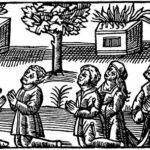 Alka
AlkaNotable Folktales Involving Ausrine
- Ausrine and the Morning Dew: A story that illustrates her connection to nature and the arrival of spring.
- The Marriage of Ausrine: A tale that highlights her role in love and relationships.
- Ausrine’s Gift: A story about how she blesses the land with fertility.
These folktales not only entertain but also serve to educate listeners about the values and beliefs of Lithuanian culture. They emphasize the importance of nature, family, and the divine, reflecting the deep-rooted traditions that have shaped the identity of the Lithuanian people.
Celebrations and Rituals
Ausrine is celebrated in various rituals and festivals throughout Lithuania. One of the most significant celebrations is the Jāņi
In addition to Jāņi, Ausrine is also honored during the spring equinox. This celebration is marked by rituals that involve planting seeds and preparing the land for cultivation. During these rituals, people often recite prayers and chants dedicated to Ausrine, asking for her guidance and protection over their crops. The emphasis on agriculture in these celebrations underscores the vital role that Ausrine plays in the lives of Lithuanian farmers.
Common Rituals Associated with Ausrine
- Planting Ceremonies: Rituals performed to ensure a bountiful harvest.
- Morning Songs: Chants sung at dawn to honor Ausrine.
- Festivals of Light: Celebrations that focus on the arrival of spring and the renewal of life.
These rituals not only serve to honor Ausrine but also foster a sense of community among participants. They provide an opportunity for people to come together, share stories, and celebrate the cycles of nature that Ausrine embodies.
Ausrine in Modern Culture
In modern Lithuania, Ausrine continues to be a significant figure in cultural celebrations and artistic expressions. Many contemporary artists draw inspiration from her mythology, creating works that reflect her beauty and the themes she represents. This resurgence of interest in Ausrine is part of a broader movement to reconnect with pagan traditions and the natural world.
Ausrine is also referenced in literature and poetry, where she serves as a symbol of hope and renewal. Writers often use her character to explore themes of love, nature, and the passage of time. This literary presence keeps Ausrine’s spirit alive and relevant in today’s society, reminding people of their cultural heritage and the importance of nature.
Modern Representations of Ausrine
- Art Exhibitions: Showcasing works inspired by her mythology.
- Literary Works: Poems and stories that reflect her themes.
- Cultural Festivals: Events that celebrate her significance in Lithuanian heritage.
These modern representations highlight the enduring legacy of Ausrine and her place in the hearts and minds of the Lithuanian people. They serve as a reminder of the importance of cultural identity and the connections between past and present.
The Legacy of Ausrine
The legacy of Ausrine is evident in the continued reverence for her character and the themes she represents. As a symbol of the morning star, she embodies the hope and renewal that many people seek in their lives. Her stories and rituals remind the Lithuanian people of their deep connections to nature and the cycles of life that govern their existence.
Furthermore, Ausrine’s significance extends beyond Lithuania. Her character resonates with universal themes of love, fertility, and the beauty of nature, making her a relatable figure for many. As cultures around the world seek to reconnect with their roots and honor their traditions, figures like Ausrine serve as powerful reminders of the shared human experience.
Ausrine’s Impact on Cultural Identity
- Preservation of Folklore: Keeping ancient stories alive for future generations.
- Connection to Nature: Reinforcing the importance of environmental stewardship.
- Empowerment of Women: Highlighting the role of femininity in culture and society.
Ausrine remains a vital part of Lithuanian mythology and culture. Her character serves as a bridge between the past and the present, reminding people of their heritage and the importance of nature in their lives. Through celebrations, rituals, and artistic expressions, Ausrine’s legacy continues to thrive, ensuring that her spirit remains a guiding light for generations to come.